


Egypt, US reaffirm commitment to strategic partnership
Cairo demands sustainable ceasefire, humanitarian aid for Gaza
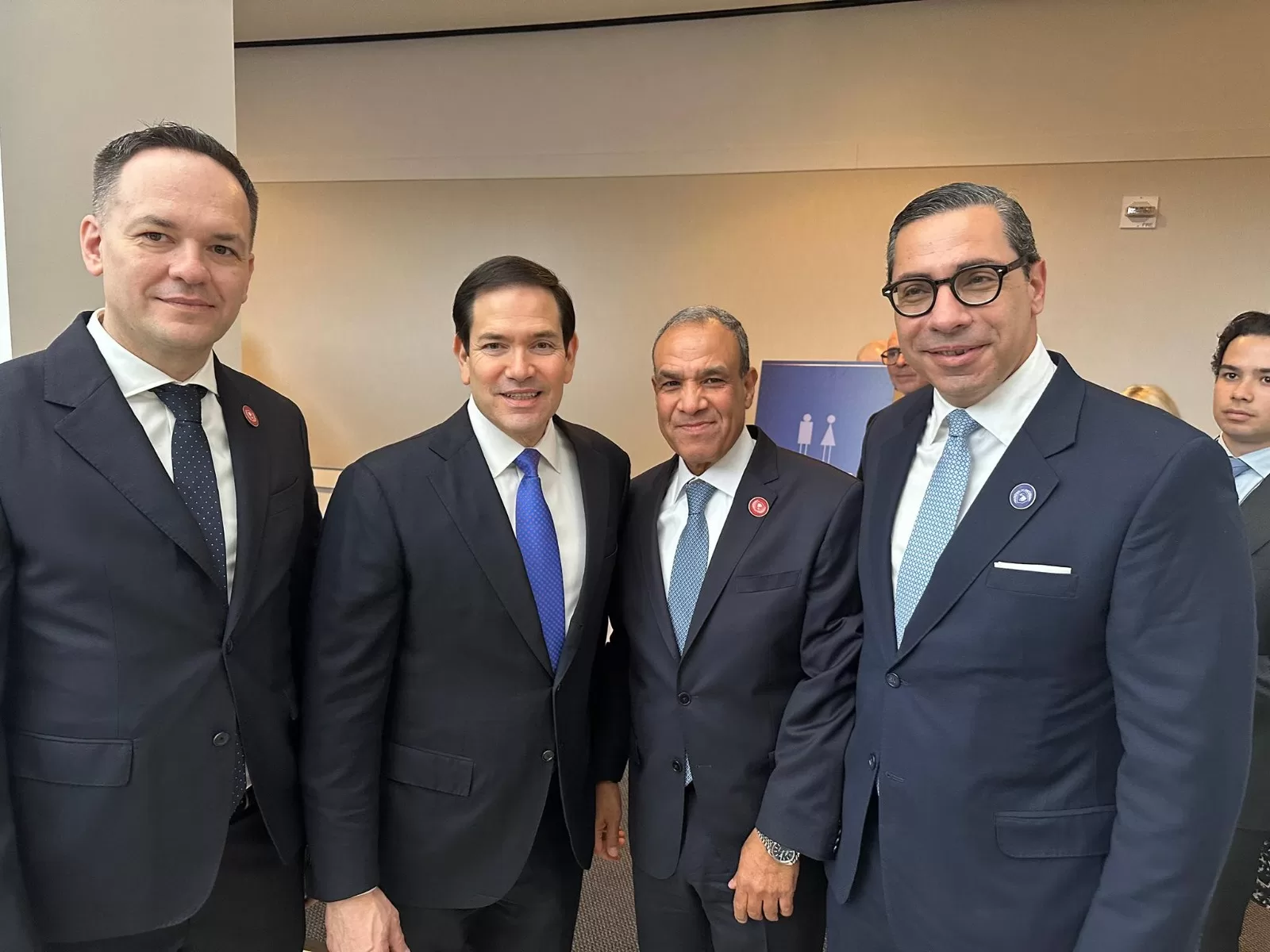
Egypt’s Minister of Foreign Affairs, International Co-operation, and Egyptian Expatriates, Badr Abdel-Aati, held a series of bilateral meetings with senior international officials on the sidelines of the first Board of Peace meeting in Washington, led by Prime Minister Moustafa Madbouli.
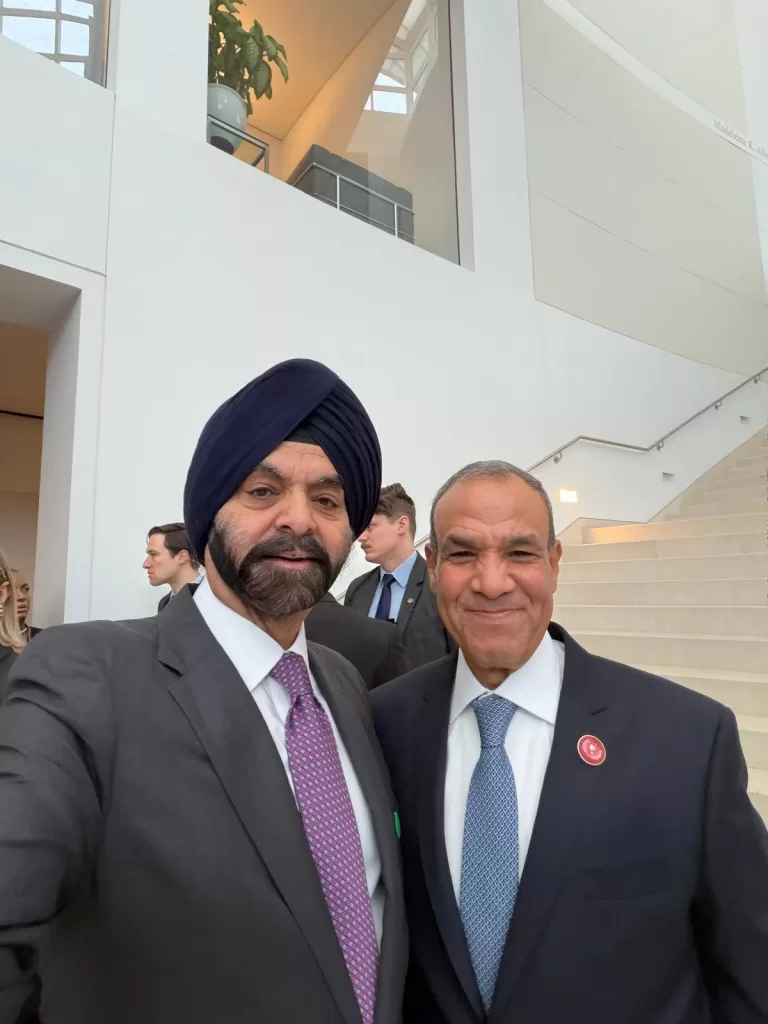
During his visit, Abdel-Aati met with US Secretary of State Marco Rubio, US Special Envoy for the Middle East, Steve Witkoff, World Bank Group President Ajay Banga, Jordanian Deputy Prime Minister and Foreign Minister Ayman Safadi, UAE Deputy Prime Minister and Foreign Minister Sheikh Abdullah bin Zayed Al Nahyan, Omani Foreign Minister Badr Al-Busaidi, and Cypriot Foreign Minister Constantinos Kombos.
Strengthening Cairo-Washington ties
The discussions with US Secretary of State Marco Rubio and Special Envoy Steve Witkoff focused on enhancing bilateral relations and the strategic partnership between Egypt and the United States.
Abdel-Aati asserted Egypt’s commitment to continuing close coordination with the US on various regional and international issues of mutual concern.
The foreign minister also commended US efforts, particularly by US President Donald Trump, to end the war in the Gaza Strip, affirming Egypt’s support for the US plan as a crucial framework for securing a ceasefire and restoring stability to the region.
Regional de-escalation
The meetings also addressed developments related to the Palestinian issue.
Abdel-Aati reiterated Egypt’s steadfast position in supporting a just and comprehensive settlement to the Palestinian cause.
He called for a complete and sustainable ceasefire, unrestricted humanitarian aid access, stressing the importance of focusing on the UN Security Council Resolution 2803 as the governing reference for ceasefire efforts.
He stressed the importance of launching a credible political process toward a two-state solution, which would lead to the establishment of an independent Palestinian state, ensuring security and stability for all people in the region.
In his meetings with US officials, Abdel-Aati exchanged views on efforts to de-escalate regional tensions, particularly concerning the Iranian nuclear issue.
He stressed the need to avoid escalating tensions and to prioritize diplomatic and political solutions that would contribute to preserving regional security and stability.
Safeguarding Sudanese, Somali sovereignty
Regarding Sudan, Minister Abdel-Aati discussed Egypt’s efforts to support Sudan in maintaining its national institutions and territorial integrity.He reiterated that Sudan’s stability is crucial for both Egyptian and regional security.
He also warned against any attempts to create parallel structures that could undermine Sudan’s unity, stressing the importance of preserving Sudanese state institutions and supporting a comprehensive political settlement.
Shifting to Somalia, Abdel-Aati reiterated Egypt’s support for Somalia’s sovereignty and territorial integrity, stressing the importance of enabling the African Union Mission in Somalia (AMISOM) to perform its duties effectively by ensuring sustainable funding.
Red Sea, water Security
Concerning the Red Sea, Abdel-Aati stressed that governance of the Red Sea should be limited to its bordering states and reiterated Egypt’s rejection of any attempts by non-coastal parties to impose a role in this matter.
In relation to the Nile waters, Abdel-Aati underlined that water is a fundamental human right and called for adherence to international law, particularly principles of consensus, cooperation, and non-harm concerning shared international rivers.
He stressed the importance of cooperation and integration among Nile Basin countries for mutual benefit, rejecting unilateral actions that affect the rights of downstream countries and jeopardize Egypt’s water security.

