


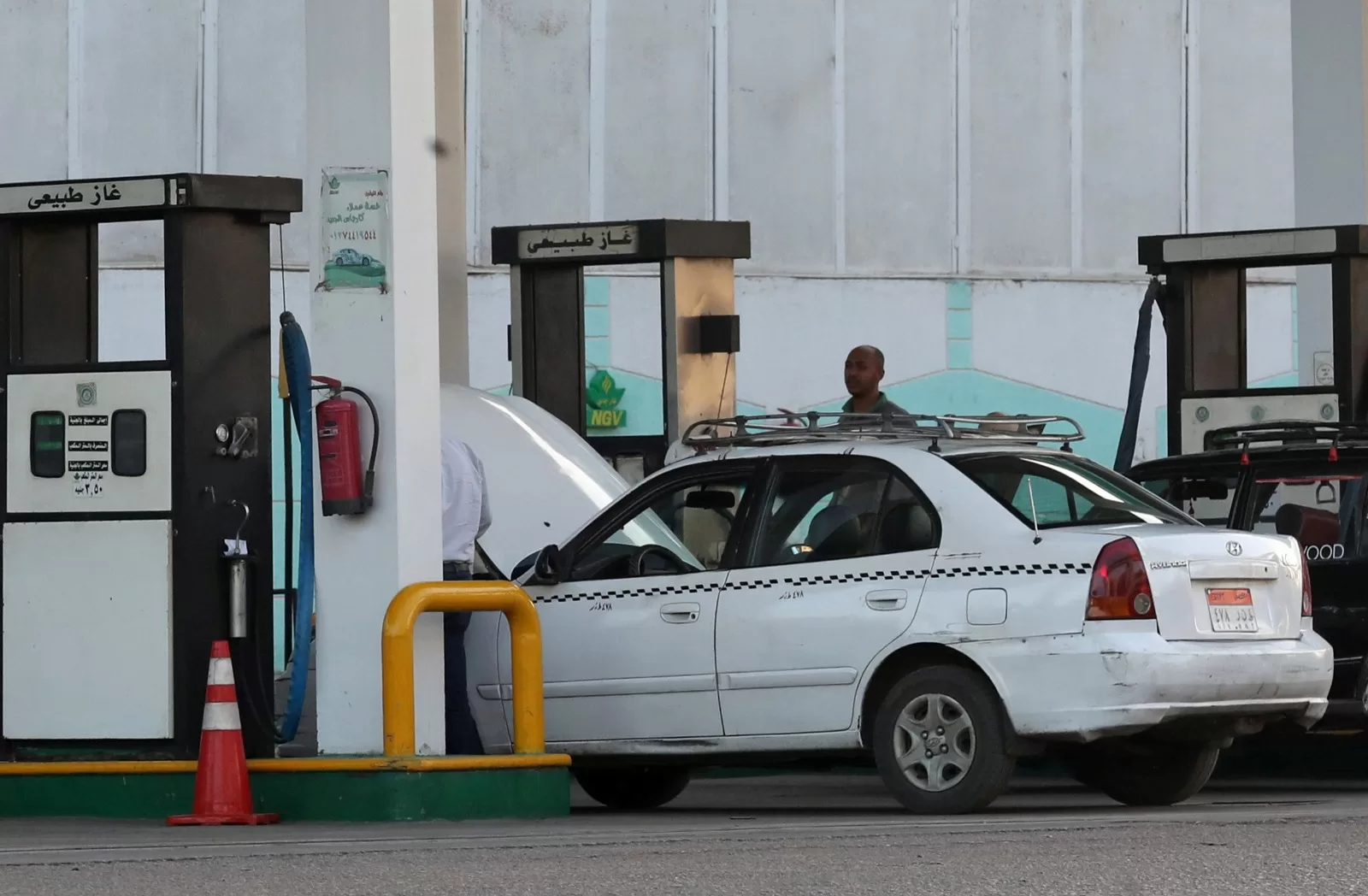
Egypt’s Fuel Automatic Pricing Committee raised on Friday prices of gasoline, and diesel by LE2, but kept diesel fuel supplied to electricity, food industries, and vehicle gas unchanged.
The committee has stated that the move is part of its commitment to implementing an automatic pricing mechanism for certain petroleum products.
The committee increased fuel prices by about 15 per cent.Prices of 80-octane, 92-octane and 95-octane petrol were increased toLE15.75, LE17.25 and LE19per litre, respectively.It also raised diesel and kerosene prices from LE13.5 and LEE13.5 to LE15.5 and LE15.5 per litre, respectively.
Prices for 12.5 kg gas cylinders were increased from LE150 to LE200, while commercial domestic gas cylinders now cost LE400, up from LE300.
The automatic pricing mechanism is aimed at adjusting theselling prices of fuel products on the local market according to local and global developments affecting costs. Such factors include the international price of Brent crude, the dollar exchange rate as well as other fixed costs.
Meanwhile, oil prices were little changed on Friday and set to drop for a second week on concerns that a prolonged trade war between the United States and China will curtail economic growth and crush crude consumption.
Brent futures rose 14 cents, or 0.2 per cent, to $63.47 a barrel, while U.S. West Texas Intermediate crude futures also rose 0.2 per cent, to $60.21, after the benchmarks settled over $2 lower on Thursday.
Brent is set to fall 3.2 per cent this week, while WTI is set to decline 2.9 per cent. Both benchmarks declined 11 per cent in the previous week.
A prolonged dispute between the world’s two biggest economies is likely to reduce global trade volumes and disrupt trading routes, and eventually weigh on global economic growth.
“We expect prices will remain under pressure as investors assess ongoing trade negotiations and rising tensions between Washington and Beijing,” BMI analysts said in a note on Friday.
Concerns about a global economic slowdown were also putting oil prices under pressure, Daniel Hynes, senior commodity strategist at ANZ, said in a note.
The bank forecasts oil consumption to decline by 1% if global economic growth falls below three per cent, Hynes said.
US President Donald Trump raised tariffs against China to 145 per cent on Thursday, even after announcing a pause on heavy tariffs against dozens of trading partners earlier this week. China, in turn, has announced an additional import levy on US goods.
The U.S. Energy Information Administration on Thursday lowered its global economic growth forecasts and warned that tariffs could weigh heavily on oil prices, as it slashed its US and global oil demand forecasts for this year and next.

