


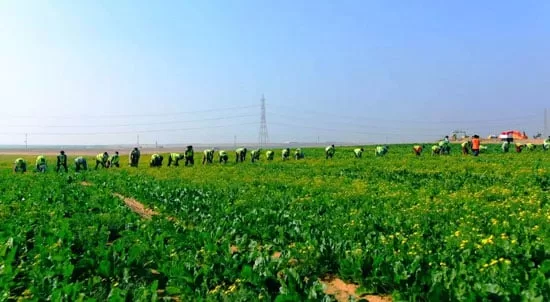
In the heart of Egypt’s vast Western Desert, a new chapter of the nation’s development story is unfolding – one that embodies President Abdel Fattah El Sisi’s vision to build a “New Republic” founded on science, production, and sustainability.
“The Future of Egypt” project stands as a vivid testament to how determined leadership and scientific planning can transform barren desert into thriving centre of agriculture, industry, and human life.
Since its launch in 2018, the project has driven a significant expansion of cultivated land – starting with 20,000 feddans, reaching 800,000 in 2024, and projected to expand to 4.5 million feddans by 2027.
Together with other national mega-projects, this expansion is set to boost agricultural output and reduce reliance on imports.
Parliamentarians agree that the project is more than an agricultural achievement; it is a symbol of Egypt’s determination to chart its own course toward sustainable progress.
MP Hend Rashad, Secretary of the House of Representatives Media Committee, highlighted the project’s strategic importance.
“This project has become one of the key pillars of the national economy,” Rashad said.
“It embodies Egypt’s long-term vision of maximizing the use of its resources, ensuring food security, and achieving sustainable growth,”she added.
Rashad further pointed out that amid global economic shifts, the project safeguards the nation’s ability to meet its people’s needs by supporting local production and establishing integrated systems for agriculture, food processing, and urban expansion.
“The project opens new avenues for investment, creates jobs, and strengthens Egypt’s position as a regional leader in sustainable agriculture and production,” she stressed.
MP Ahmed Ashour echoed these sentiments, emphasising that the President’s regular follow-up underscores a belief in building a productive economy that guarantees self-sufficiency.
“The Future of Egypt project is a comprehensive development model. It relies on modern technology and scientific expertise to expand the country’s agricultural supply, localise food industries, and create real employment opportunities for youth – all of which contribute directly to improving living standards,” Ashour said.
He added that presidential directives to strengthen partnerships with the private sector highlight Egypt’s awareness of the importance of public-private collaboration.
In the same context, MP Sami Nasrallah described the project as “a cornerstone in building the New Republic and a living example of integrated development.”
He pointed to linked initiatives such as the commodity exchange and grain silos as vital components that enhance storage, stabilise markets, and ensure the steady availability of essential goods.
Nasrallah also highlighted the establishment of a new environmentally friendly city by the Future of Egypt Authority, in partnership with leading real estate developers.
This initiative, he noted, represents a quantum leap in Egypt’s green development pathway, integrating sustainability into every phase from agriculture and energy use to construction and waste management.

