


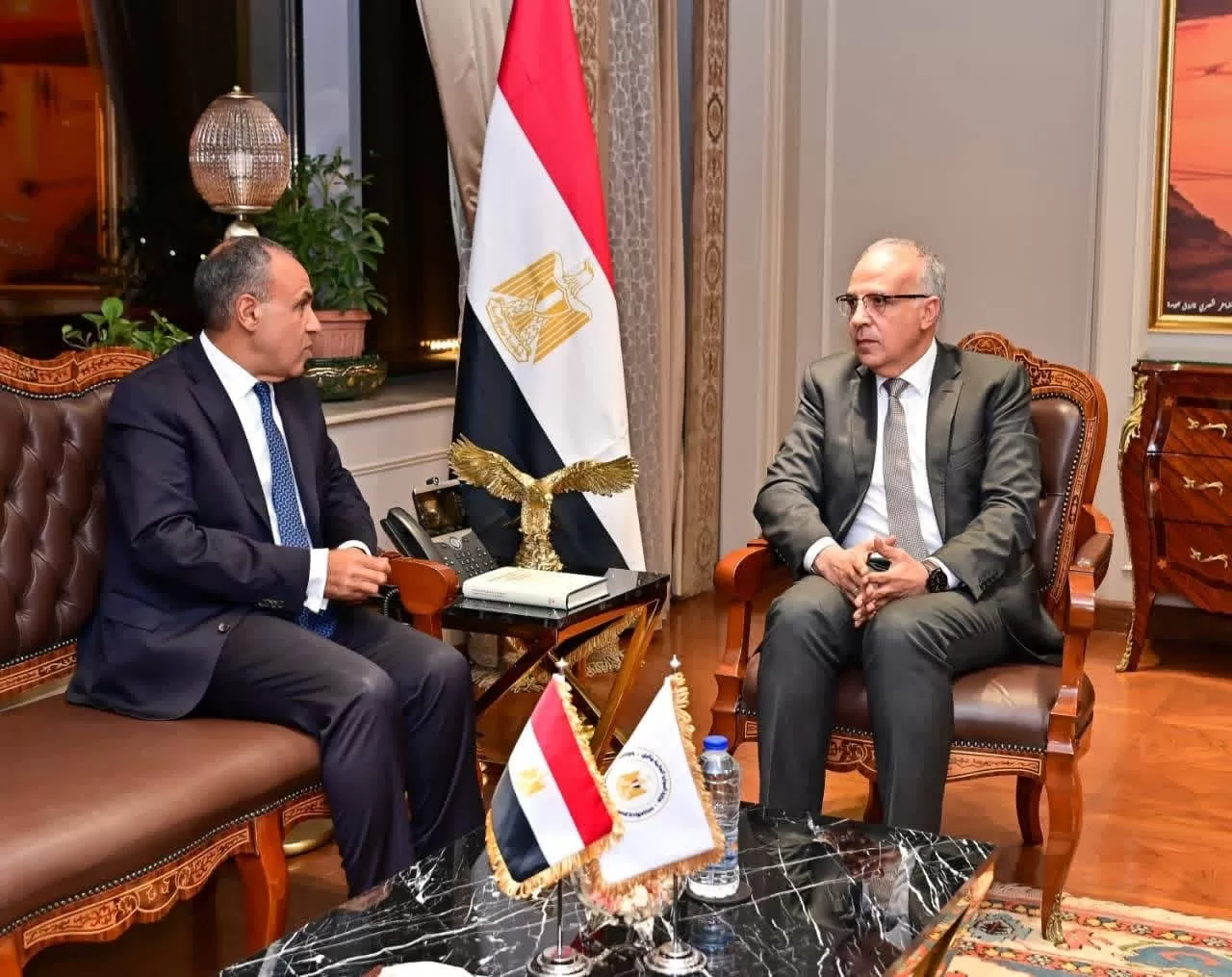
Minister of Water Resources and Irrigation Hani Sweilam and Minister of Foreign Affairs, Emigration and Egyptian Expatriates Badr Abdelatty asserted Egypt’s rejection of unilateral actions in the Eastern Nile Basin that violate international law.
They said that Egypt continues to closely monitor developments in the region and will take all necessary measures under international law to protect the existential interests of its people.
They also reaffirmed the importance of continued consultation and close coordination between the ministries of water resources and irrigation and foreign affairs to ensure the achievement of Egypt’s national goals, safeguard its water security and oversee the implementation of ongoing and future projects in the Nile Basin countries.
A joint statement issued by the both ministries said that Sweilam received Abdelatty to discuss coordination between the two ministries on water-related issues at regional and international levels.
They also discussed ways to strengthen Egypt’s historical ties and cooperation with the Nile Basin countries, as well as the latest developments in the Nile Basin Initiative (NBI) consultations aimed at restoring consensus and inclusivity among the Nile Basin countries.
Both ministers asserted Egypt’s steadfast commitment to cooperation and mutual benefit with all Nile Basin countries, ensuring the development interests of these nations while preserving Egypt’s water security.
They asserted that this will be achieved through adherence to international law and the frameworks governing the Nile River.
The ministers asserted Egypt’s continued and historic support for development efforts in the Nile Basin countries, particularly in the Southern Nile Basin.
A financing mechanism with a budget of $100 million has been launched to fund studies and development projects in these countries.
They also highlighted the important role of the Egyptian Agency for Partnership for Development and the Egyptian Initiative for the Development of Nile Basin Countries in fostering cooperation, promoting mutual benefits, conserving water resources, and maximizing their utility.
These initiatives mirror the success of joint projects and training programs carried out in Sudan, South Sudan, Kenya, the Democratic Republic of the Congo, Uganda and Tanzania.

