




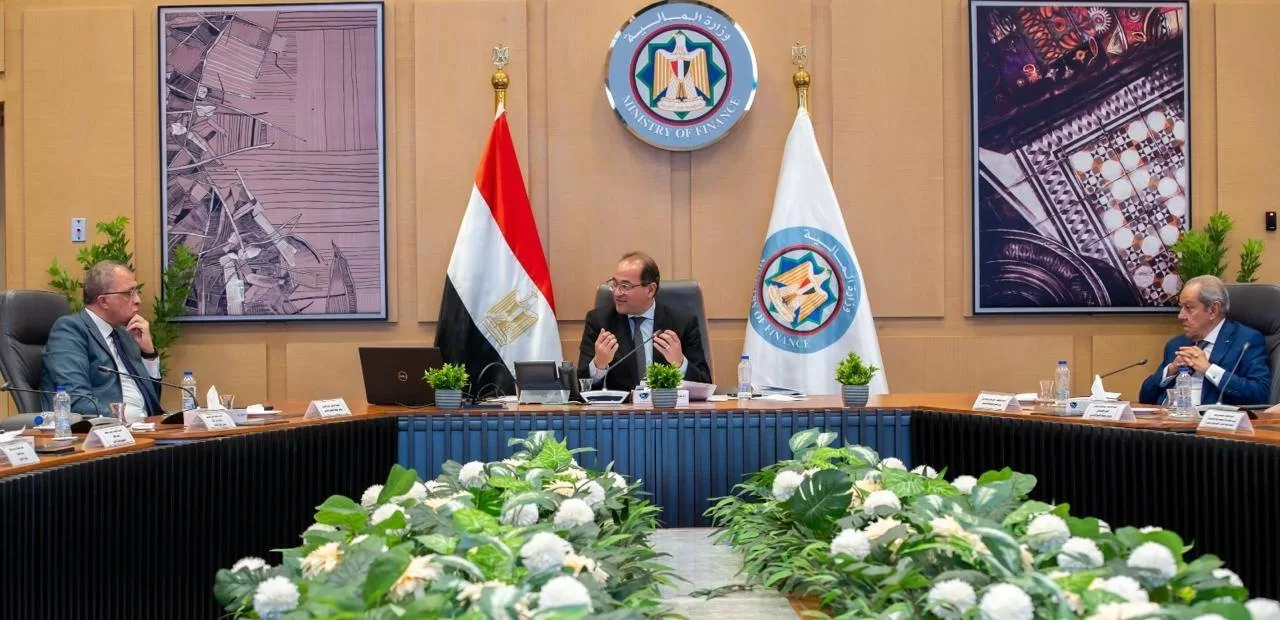
Finance Minister Ahmed Kouchouk said the government is working to deliver a “balanced and flexible” budget for fiscal year 2026/2027, featuring robust reserves to cushion against potential economic shocks.
Speaking during an open dialogue with a group of intellectuals and economic experts on Saturday, Kouchouk welcomed ongoing discussions, affirming the government’s openness to diverse perspectives. “We are receptive to all views and will make the best possible use of proposals and recommendations,” he said.
He explained that the draft budget is based on clear priorities, and guiding determinants, supported by multiple alternative scenarios to ensure prudent and efficient public financial management.
Kouchouk noted that the budget incorporates targeted measures and allocations aimed at enhancing balance and impact, stimulating economic growth, improving services for citizens and investors, and capitalising on emerging opportunities, particularly in the transition to new and renewable energy.
The minister reaffirmed the government’s commitment to rationalising expenditure, alongside increasing allocations for selected entities to strengthen their ability to respond to exceptional circumstances. He stressed the importance of safeguarding citizens’ basic needs while ensuring the availability of production inputs for investors.
He added that fiscal policy priorities reflected in the budget focus on both economic stability and citizen welfare. These include strengthening partnerships with the business community and attracting 100,000 new voluntary taxpayers into the system, while continuing to support households and stimulate economic activity.
Kouchouk also highlighted ongoing efforts to improve public debt indicators and debt servicing, thereby creating additional fiscal space for priority spending. The new budget includes significant increases in key sectors, notably a 30% rise in healthcare funding and a 20% increase in education spending, aimed at enhancing the quality of services.
He underscored the continuation of initiatives to boost tourism, production, manufacturing, and exports as key drivers of growth. The government, he added, is targeting higher tax and non-tax revenues, an expanded role for the private sector, reduced budget deficits and public debt levels, and the achievement of a primary surplus to lower debt servicing costs, freeing up resources for human development and social protection.
The minister stressed that broadening the tax base will enable more effective public spending and improved service delivery. He also pointed to the rollout of a second package of tax facilitation measures, which has been positively received by the business community following the success of the first phase.
In addition, Kouchouk announced plans to launch a mobile application for real estate transactions, allowing users to easily notify and pay due taxes. He also revealed that individuals will be exempt from real estate transaction tax when selling properties to first-degree relatives.

