




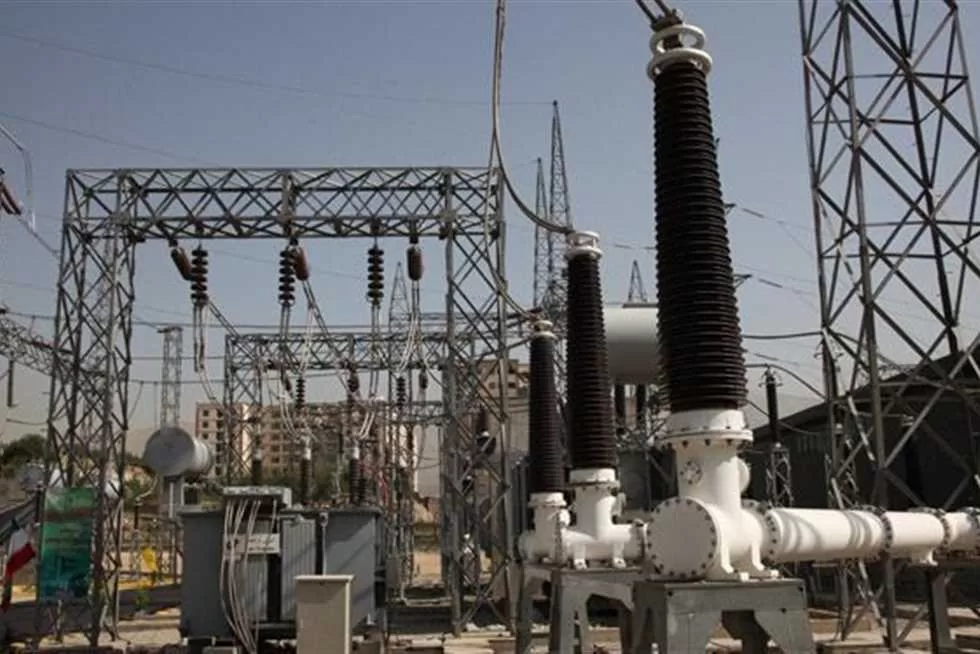
Egypt is approaching the peak electricity demand season of the summer, and the government has launched a comprehensive strategy to ensure a stable and uninterrupted power supply.
The initiative seeks to counter challenges the country faced in previous hot seasons, when high temperatures and consumption led to power outages and load shedding.
Proactive measures
Prime Minister Moustafa Madbouli has recently assured people that there will be no electricity load shedding this summer, adding that his government has allocated significant resources to secure the necessary fuel supplies, in addition to drawing up plans to add 3,000 to 4,000 megawatts to the nationalgrid.
The state had to import $2.5 billion worth of fuel to operate electricity plants last summer, Madbouli said, promising that 2025 summer will see no power cuts.
The government has been hard at work to secure fuel shipments, he stressed.
A comprehensive plan is being developed by the electricity and petroleum ministries to avoid the recurrence of last summer’s load shedding, the premier said.
“The government plans to increase the natural gassupply to power plants by approximately 9 per cent, targeting 4.9 billion cubic feet per day,” Madbouli said. The step aims tomeet the anticipated surge in electricity demand during the scorching heat of the summer.
Investing in renewable energy
In the meantime, Egypt has been accelerating efforts aiming to achieve a shift towards renewable energy.
The Ministry of International Co-operation has recently announced that four power projects under the energy pillar of the Nexus of Water, Food and Energy (NWFE) programme will be connected to the national grid over the coming period. The initiatives aim to diversify energy sources and reduce reliance on fossil fuels.
Egypt’s long-term energy strategy includes increasing the share of renewable energy in power generation to 42 per cent by 2030 and 65 per cent by 2040. The ambitious goal highlights the country’s commitment to sustainable energy, and reduction of carbon emissions.
Through strategic planning, infrastructure investment, and regional co-operation, Egypt is poised to meet the electricity demands during summer with no need of load shedding. Thegovernmentis dedicated to providing reliable power and advancing towards a sustainable energy future.
“We are preparing for 2025 summer through adding two new gigawatts [of electricity production] to meet rising demand,” said Electricity and Renewable Energy Minister Mahmoud Esmat in recent remarks to the press.
Electrical loads are increasing at an unprecedented rate. “For example, in January and February loads increased by eight per cent, despite it being winter. Last summer, loads increased by 18 per cent, which represents a real challenge that we are working hard to meet.”
Esmat noted that electrical loads reached a peak of 37.2 gigawatts in August 2024, up from 33.8 gigawatts in 2022 and 34.2 gigawatts in 2023. He said that the maximum load could reach 40 gigawatts this summer.
Concerted coordination
The Ministry of Electricity is coordinating with the Petroleum Ministry to provide the necessary fuel for operating power generating plants, and is carrying out plans to expand the use of clean energy, including a strategy to boost private sector investment in green hydrogen projects.
Benban, Dabaa projects
In December, the first station in Aswan’s Benban complex, Abydos 1 solar power plant, came online, with a total capacity of up to 1,500 megawatts. Benban is the largest project of its kind in Africa.
“This ambitious project is 68 per cent complete and is expected to be finished by July to help meet demand for electricity during the hot summer months and avoid power outages through exchanging loads during peak hours,” the minister of electricity said.
Egypt’s Dabaa Nuclear Power Plant is also proceeding to plan. According to Esmat, it is 30 per cent complete.It has been designed to generate 3.6 gigawatts by 2029, and 4.8 gigawatts when the plant’s four nuclear reactors are fully operational in 2030.

