




Egyptian Food Bank CEO unveils comprehensive strategy to combat hunger
Food security remains a critical challenge in Egypt, particularly for vulnerable communities facing economic hardships. The Egyptian Food Bank (EFB) plays a pivotal role in addressing hunger and malnutrition through comprehensive programmes focused on protection, prevention, and empowerment. With a strong commitment to sustainable development, EFB has expanded its reach across the country, supporting millions of people through direct food assistance, educational initiatives, and economic empowerment projects.

In this exclusive interview with The Egyptian Gazette, Mohsen Sarhan, CEO of the Egyptian Food Bank, sheds light on the organisation’s mission, recent achievements, and future plans in alignment with Egypt’s Vision 2030. He also discussed EFB’s response to economic challenges and its strategies to prevent food crises, ensuring long-term food security for all Egyptians.
What are the core activities of the Egyptian Food Bank?
The EFB is committed to enhancing food security through a wide range of initiatives. These efforts are structured around three key pillars: Protection, Prevention, and Empowerment. The organisation has expanded its operations across various governorates in Egypt, implementing programmes to combat food insecurity, support vulnerable groups, and empower different segments of society.
Protection pillar: This pillar focuses on providing direct food assistance to the most vulnerable populations, including households led by single women, individuals with disabilities, the elderly, and expatriate students. The aim is to ensure access to nutritious food tailored to their dietary needs.
Prevention pillar: EFB emphasises proactive measures to curb malnutrition, particularly among infants and children up to the age of twelve. The organisation has shifted from therapeutic to preventive strategies, with a primary focus on maternal and child care. A key initiative under this pillar is the Stunting Prevention Programme, which addresses stunted growth in children – an issue affecting nearly 20% of Egyptian children. The programme educates mothers on proper nutrition throughout pregnancy and the first two years of a child’s life. Known as the “Thousand Days Project,” it provides nutritional guidance, medical follow-ups, and essential food supplies to ensure optimal child development.
Who Benefits from EFB’s Programs?
EFB provides food aid and support to a diverse range of beneficiaries, including:
Breadwinning Women: Women who are the primary earners for their families receive food assistance to ease their financial burden.
Elderly Individuals: Through the “Vitamin D” Programme, EFB provides food aid enriched with essential nutrients to help prevent osteoporosis and improve overall health.
People with Disabilities: The organisation ensures that individuals with physical or mental disabilities receive necessary food assistance to improve their quality of life.
International Students: Expatriate students in Egypt facing financial hardships are supported with access to nutritious meals.
Children and Mothers: EFB provides specialised nutrition programmes, including school feeding initiatives that supply hot, cooked meals and fortified food products to improve children’s academic performance and health. Currently, 40,000 children benefit from a new whole-grain, vitamin-enriched nutritional product, and an additional 30,000 children receive hot meals daily.
Smallholder Farmers: EFB collaborates with thousands of small-scale farmers, purchasing their agricultural products directly, offering technical training, and supporting sustainable farming practices.
Why is food security fundamental to development?
As a leading civil society organisation, EFB plays a pivotal role in eradicating hunger and promoting sustainable food security. The organisation upholds the principle that food security is the foundation for all forms of development. When individuals lack access to adequate nutrition, their ability to pursue education, work productively, and contribute to society is significantly hindered.
EFB’s model aligns with globally recognised food security frameworks. It provides essential food aid to those unable to work while integrating economically active individuals into sustainable supply chains. By purchasing agricultural products directly from small-scale farmers, EFB ensures a stable income for them while maintaining a consistent food supply for vulnerable communities.
How is EFB addressing economic challenges?
Egypt’s economic challenges place significant strain on governmental resources, necessitating collaborative efforts between the private sector and civil society organisations like EFB. One of the most effective ways to alleviate poverty is through job creation, particularly in rural areas.
EFB has expanded its Empowerment Pillar, creating thousands of job opportunities through its direct purchasing model. The organisation procures over LE2 billion worth of food products annually, with a plan to source 70% of these products from small-scale farmers and producers. This initiative fosters economic self-sufficiency in underprivileged communities and sets a replicable model for other organisations.
What are EFB’s recent milestones?
EFB has made significant strides in recent years, particularly in responding to humanitarian crises and expanding its reach. Key accomplishments include:
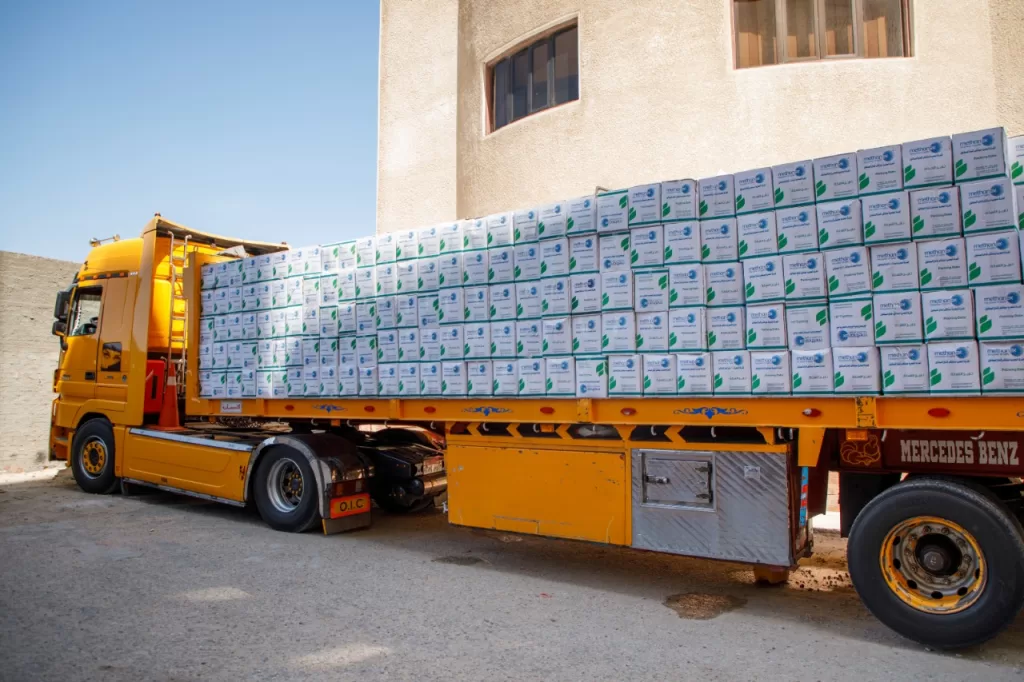
Aid to Gaza: The organisation dispatched 677 trucks carrying 15,420 tonnes of essential supplies to support affected communities.
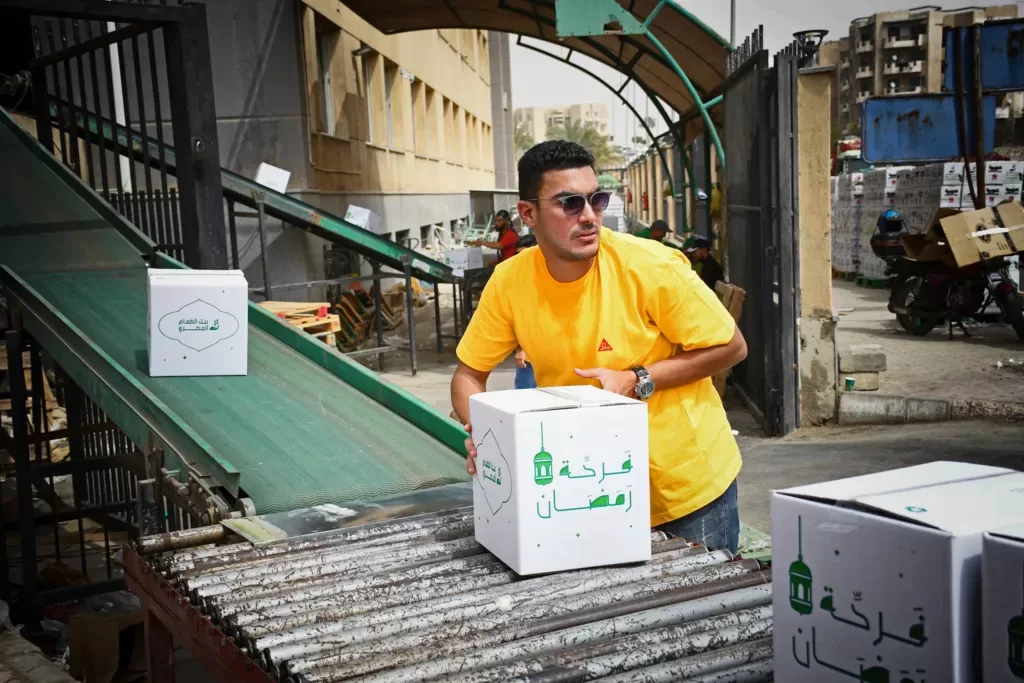
Ramadan Initiatives 2025: Through its network of 4,000 partner NGOs, EFB provided food assistance to 4 million people across Egypt. Programs included:
“Iftar at the Station” Initiative: Distribution of 100,000 meal packs at major metro stations.
Strategic Partnerships: Collaborations with Nestlé, Samsung, CMA CGM Foundation, and PepsiCo Egypt, resulting in the distribution of food packages, meal provisions, and clean water network installations.
Governorate Support: Special initiatives in Aswan, North Sinai, and Upper Egypt ensured that underserved communities received proper nutrition during Ramadan.
School Feeding Programme Expansion: Currently benefits 30,000 students in 51 schools and 35,000 children in 117 nurseries across 21 governorates.
How does EFB align with national development goals?
EFB actively contributes to Egypt’s Vision 2030, focusing on sustainable development and social protection. The organisation’s initiatives emphasise long-term solutions that extend beyond immediate food aid, ensuring that vulnerable communities achieve self-sufficiency and resilience against food insecurity.
What steps is EFB taking to prevent food shortages?
To enhance food security and prevent future crises, EFB is implementing several key strategies:
Boosting Domestic Production: Supporting local farmers with modern agricultural techniques, financing options, and market access.
Expanding sustainable food production:
Fish Farms in New Valley Governorate: Created employment and increased access to affordable fish in a previously underserved region.
Date Plantation in Minya: Produces dates for both nutritional programmes and potential sale, generating revenue for EFB’s charitable initiatives.
Dairy Farm in Beheira: Home to 3,000 high-quality dairy cattle, contributing to national dairy production and reinvesting profits into food programmes.
Calf Fattening Farm in Minya: Supports livestock farming while enhancing food availability.
Through these innovative solutions, EFB ensures that Egypt is better prepared for economic shocks and food shortages, reinforcing its commitment to sustainable development and food security for all.

