





Egypt is intensifying its shift towards a green economy as part of its long-term development strategy, with increasing focus on climate action, sustainable investment, and green innovation in line with its national development goals.
The launch of a new phase of the National Initiative for Smart Green Projects (NISGP) reflects this broader vision.
Rather than a standalone programme, the initiative forms part of coordinated national efforts to promote environmentally sustainable solutions at the local level, encourage innovation, and engage communities in climate action.
Since its launch, the initiative has attracted thousands of project proposals from across the country, targeting sectors such as clean energy, waste management, and environmental conservation.
It also aligns with the government’s plan to expand green investments in public spending, which have reached around 30 per cent in recent budgets, according to official data.
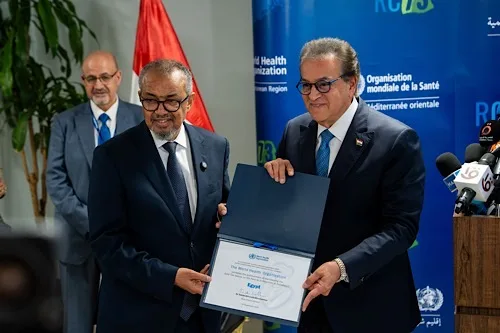
“It is a leading national model supporting innovative solutions that achieve environmental sustainability and improve quality of life,” said Manal Awad, Minister of Local Development and Environment, highlighting the importance of the initiative and its focus on accessible projects that deliver tangible economic and social impact.
The initiative forms part of wider government efforts towards green transformation, backed by ambitious plans and measurable targets.
According to data from the Ministry of Environment, Egypt has expanded its investments in renewable energy, most notably through the Benban Solar Park in Aswan, one of the largest in the world, with a total capacity of 1,550 megawatts and investments exceeding $4 billion.
Egypt is also aiming to increase the share of renewable energy to 42 per cent of total electricity generation by 2035, up from around 20 per cent, as part of its long-term energy strategy.
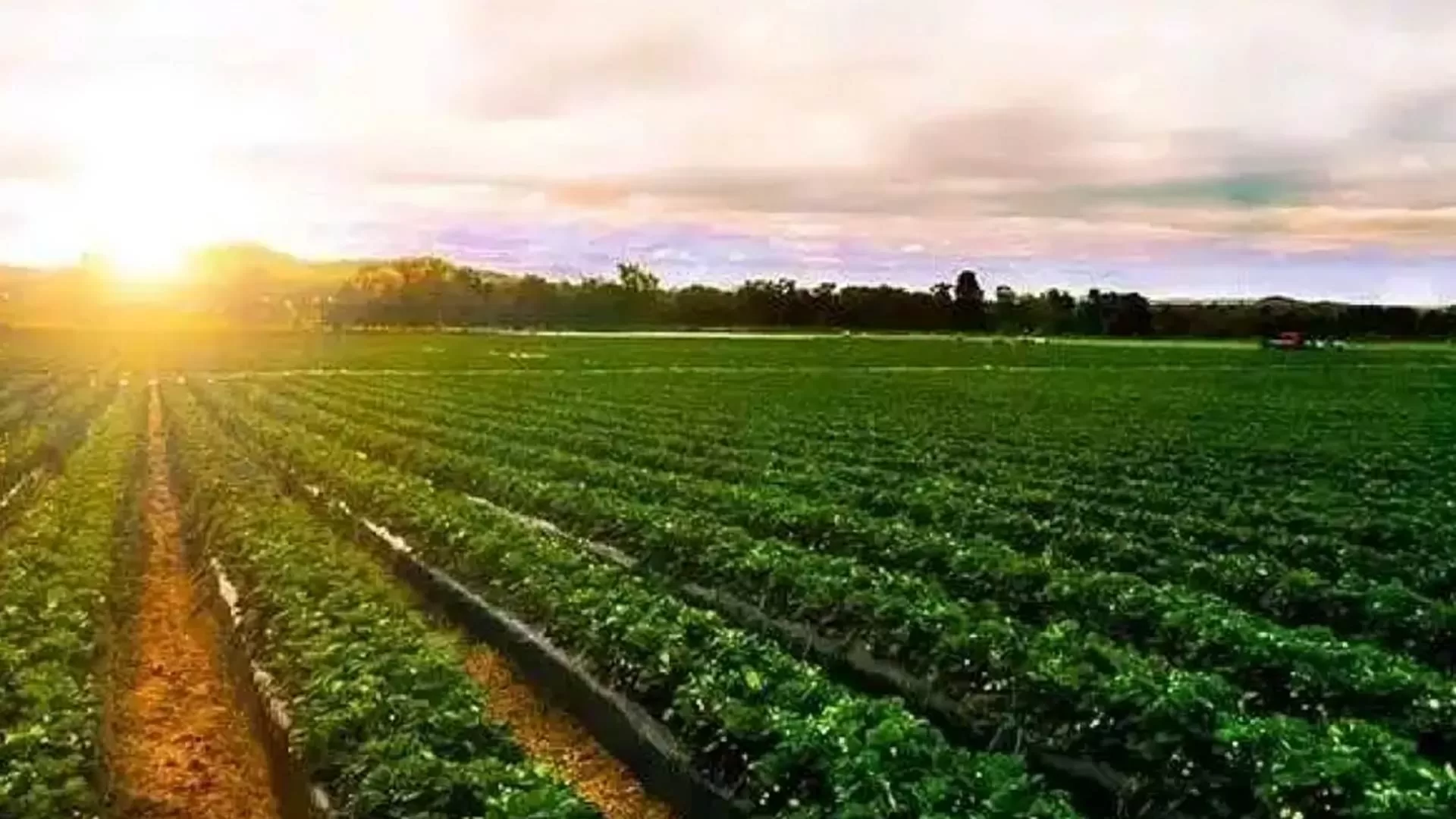
Green investment opportunities are being expanded across multiple sectors, including agricultural waste utilisation and waste-to-energy projects, to encourage greater private sector participation.
The issuance of the region’s first sovereign green bonds in 2020, valued at $750 million, also reflects the state’s commitment to advancing a green economy.
The government has further committed to increasing the share of green public investments from 15 per cent in the 2020/21 fiscal year to 50 per cent by 2024/25, underscoring a clear shift towards environmentally sustainable development.
These initiatives reflect Egypt’s Vision 2030, which places sustainable resource management and green growth among its key priorities.

