





Egypt has launched a rural development project, backed by the a European Union (EU), targeting 120 villages in Upper Egypt under the country’s presidential “Decent Life” initiative, aiming to create jobs, support food security and strengthen local economic development, the Ministry of Local Development and Environment said.
The project is being implemented in co-operation with the World Food Programme and the Food and Agriculture Organisation of the United Nations, in coordination with the ministries of agriculture, social solidarity, education and labor. It covers villages in the governorates of Assiut, Sohag and Qena.
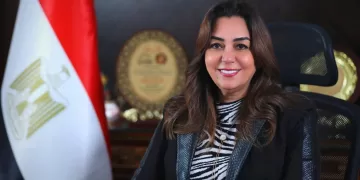
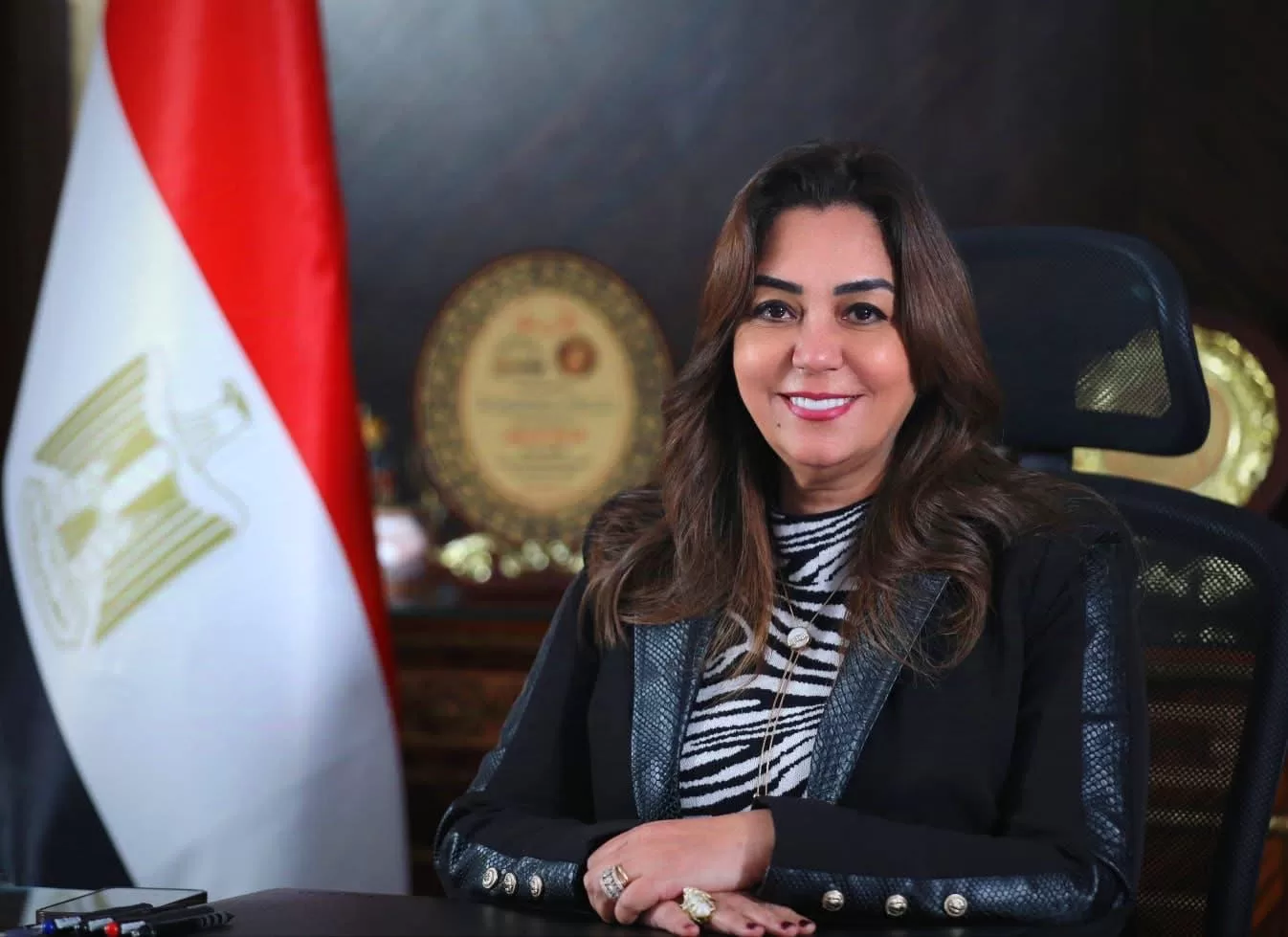
The initiative seeks to build on infrastructure established through the presidential “Decent Life” programme by creating sustainable employment opportunities and promoting environmentally sustainable local economic development based on the comparative advantages of targeted villages, Minister Awad said.
The project, which began recently and is scheduled to continue until 2028, focuses on supporting small farmers, young people and rural women through productive projects linked to agricultural value chains and climate adaptation measures, the ministry added.
It also aims to strengthen the role of local administration in guiding economic development efforts through the establishment of specialized economic development teams in village local units and the preparation of integrated district-level development plans, she noted.
Workshops and field visits had been carried out across the targeted governorates to coordinate implementation and review diagnostic studies assessing conditions in the villages.
According to a report submitted by, Head of the Central Unit of “Decent Life”, Walaa Gad El-Karim, six local workshops were held between May 10 and May 19 with the participation of officials from the World Food Programme, the Food and Agriculture Organisation, local authorities and civil society groups.
Although the project remains in its early stages, the ministry said initial results included the establishment of 20 startups by trained youth in targeted villages. The companies focus on agricultural waste recycling and converting waste into animal feed and other market products.
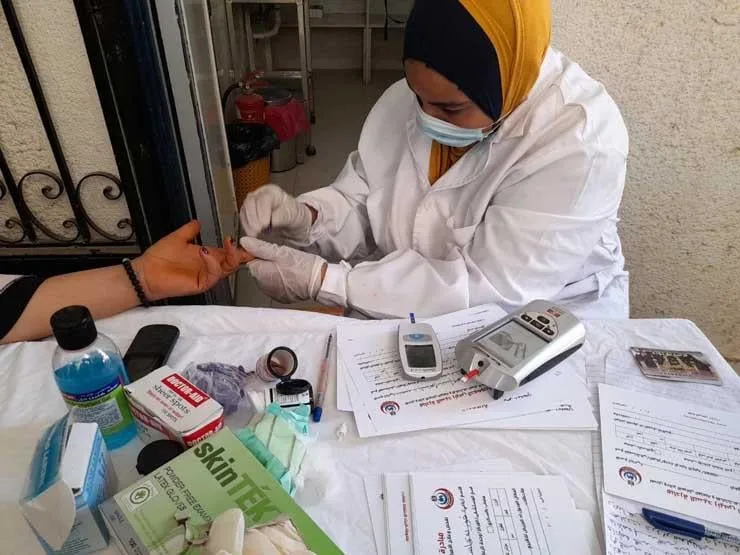
Up to 56 micro-projects for rural women had been launched after participants received specialised training, part of a broader target of 4,000 projects during the programme period, the report revealed..

