


Dr Catherine Faragallah
Egypt and Russia have witnessed a historic moment with the installation of the containment structure for the first reactor unit of the El-Dabaa Nuclear Power Plant – an event that deepens and strengthens relations between the two countries. Egypt and Russia have enjoyed strong and long-standing ties for eight decades, and in 2023 both nations celebrated the 80th anniversary of establishing their diplomatic relations. These relations have gained unprecedented momentum since President Abdel Fattah El Sisi assumed office in 2014, marking a new era of remarkable closeness, particularly amid the major geopolitical shifts the world has witnessed, including the Russia–Ukraine war, regional conflicts, and US sanctions on Russia.
As a result, Russian President Vladimir Putin turned towards the Middle East, seeking new economic partnerships and diversifying Russia’s economy. This trend became evident in the BRICS group – which includes Russia, China, Egypt, and South Africa – a coalition that challenges US dominance and unipolarity. President Putin has expressed his vision of a multipolar world and the importance of conducting transactions in local currencies to reduce reliance on the US dollar. In this context, Russia has sought deeper economic co-operation with Egypt, becoming one of Cairo’s key partners economically, militarily, and politically.
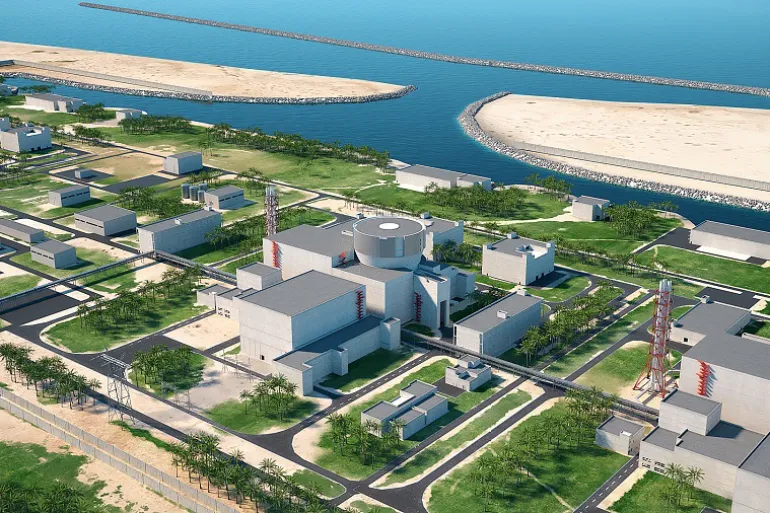
This partnership aligns with Egypt’s foreign policy – established under President Sisi – based on balance, mutual respect, non-interference, diplomacy, peace, and respect for state sovereignty. Egyptian-Russian relations have significantly strengthened under President Sisi, demonstrated through mutual visits by both leaders and a shared vision to achieve international stability, peace, counterterrorism, and economic growth. The strategic partnership signed in 2015 marked a turning point, paving the way for extensive co-operation, including the agreement to build the El-Dabaa Nuclear Power Plant – Egypt’s first nuclear plant consisting of four reactors.
Last week, Egypt witnessed the official ceremony marking the installation of the reactor pressure vessel for the first unit of the El-Dabaa plant, with the participation of President Abdel Fattah El Sisi and Russian President Vladimir Putin via videoconference. Both leaders followed the proceedings, including the signing of the nuclear fuel procurement order. President Sisi stated in his speech that the achievement is the result of decades of co-operation between the two nations, starting from the major projects of the 1960s. He noted that this historic moment reflects a truth: co-operation between Egypt and Russia is not limited to political realms but extends to real, impactful projects that serve the interests of both peoples.
He emphasised that the El-Dabaa Nuclear Power Plant is one of the most important national projects in modern Egyptian history – a key step towards enhancing energy security and moving towards a more sustainable, innovative, and clean-energy-based economy. For his part, President Putin stated during the ceremony that the partnership between Egypt and Russia has opened new avenues for exchanging expertise, noting that the first unit will be capable of producing 460 megawatts.
From my perspective, this project will reshape the balance of power and alliances in the region. It represents a new model of partnership – moving beyond traditional co-operation in gas, wheat, arms, or transportation towards long-term investment for future generations. President Sisi has always adopted a forward-looking vision, prioritising the interests of coming generations. The project also reflects Egypt’s growing capability to join the ranks of nations undertaking advanced technological and nuclear projects. Indeed, this moment is a pivotal milestone, marking Egypt’s entry into the global club of states operating modern nuclear power plants – despite global economic challenges triggered by ongoing conflicts.
Egypt has repeatedly demonstrated its ability to build, develop, and undertake major projects not only within its borders but also in neighbouring countries. The El-Dabaa plant stands as a new chapter in the deepening of Egyptian–Russian relations and a strategic milestone for both nations.
Dr Catherine Faragallah
Specialist in International Relations

