





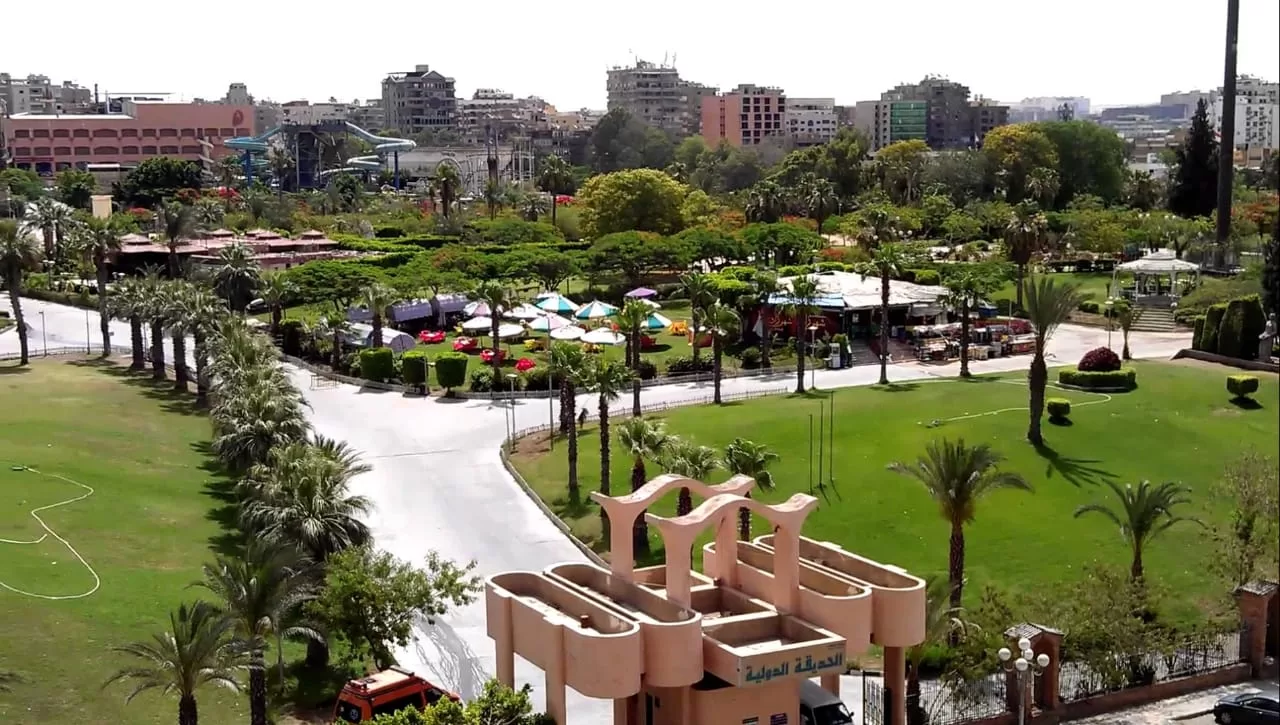
Public parks and recreational spaces across Egypt have been prepared to receive large numbers of visitors during the Easter holiday and Sham El-Nessim, as families and friends gather to celebrate the arrival of spring in a festive atmosphere.
Cairo Governor Ibrahim Saber directed authorities concerned to raise preparedness to the highest level throughout the holiday period. Intensive cleaning campaigns have been carried out, particularly in the vicinity of churches, alongside efforts to enhance street lighting and improve the overall urban landscape. The Cairo Governorate affirmed its readiness to ensure a safe and enjoyable environment for visitors.
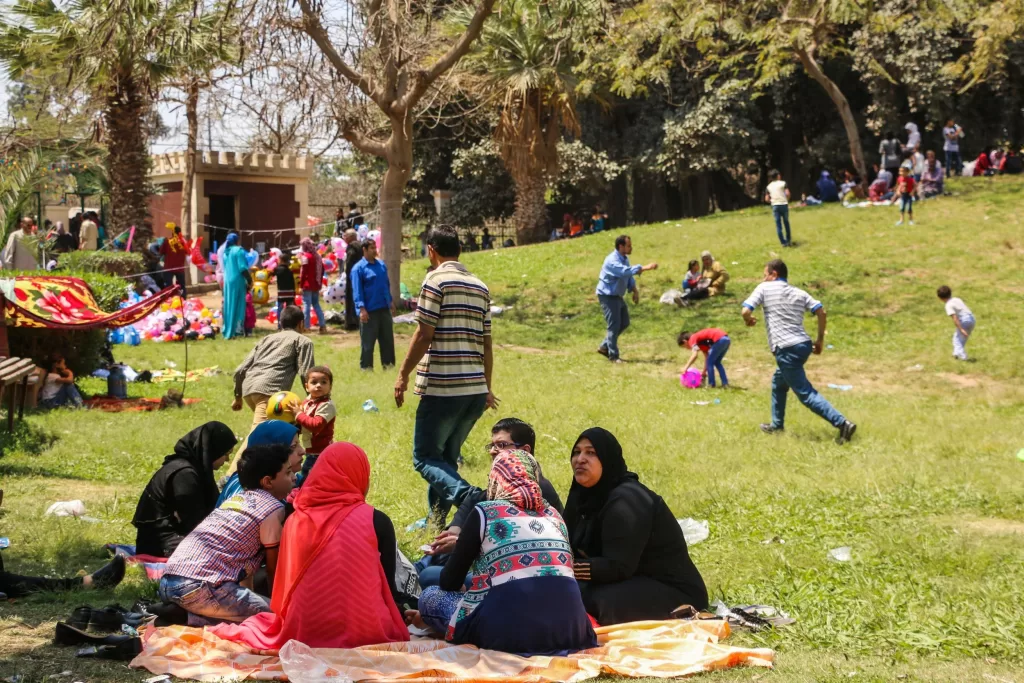
In Giza, Governor Ahmed al-Ansari called for heightened readiness across all sectors, with expanded inspection campaigns targeting food outlets, particularly those selling salted fish, meat, and poultry, to ensure compliance with health and safety standards. Authorities also confirmed that shops will close at 11 pm until April 27, in line with a decision by Prime Minister Moustafa Madbouli, while emergency services will remain operational around the clock.
Preparations have extended nationwide. In Sharqia Governorate, Zagazig Zoo has completed arrangements to receive families, while parks and recreational sites in Alexandria have increased ticket outlets and intensified cleaning efforts. Coastal cities have readied beaches with umbrellas and seating areas in anticipation of high turnout amid warm weather.
In Dakahlia Governorate, Governor Tarek Marzouk confirmed the readiness of major parks in Mansoura, while in Luxor, security measures have been reinforced along the Nile Corniche to manage expected crowds. Meanwhile, the Qanater El-Khairya Gardens are preparing to welcome thousands of visitors with affordable entry fees.
Minister of Local Development and Environment Manal Awad stressed the importance of maximum readiness across all governorates, highlighting daily market inspections, coordination with security directorates, and the securing of public spaces as key priorities. She noted that hospitals, ambulance services, and civil protection units have been placed on high alert.
The Ministry of Health announced a comprehensive emergency plan, deploying 1,650 ambulances nationwide, including 407 stationed near churches and 230 in parks, in addition to more than 1,000 units positioned along highways.
Emergency services and hotlines are fully operational, while precautionary measures include ensuring the availability of vaccines and anti-toxins, particularly for food poisoning cases, alongside the deployment of medical teams and awareness campaigns in crowded areas.

