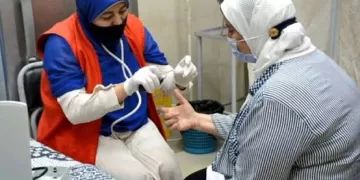




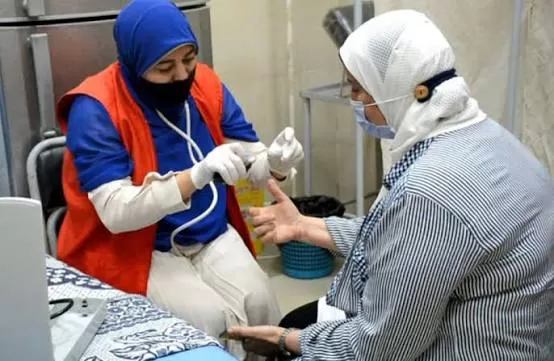
Egypt’s Ministry of Health and Population announced on Friday that women have made more than 70.5 million visits to receive screening and awareness services under the presidential initiative to support women’s health since its launch in July 2019.
Ministry spokesperson Hossam Abdel-Ghaffar specified that the total comprises 23,446,016 initial visits, 33,428,303 follow-up appointments, and 13,717,195 routine check-ups.
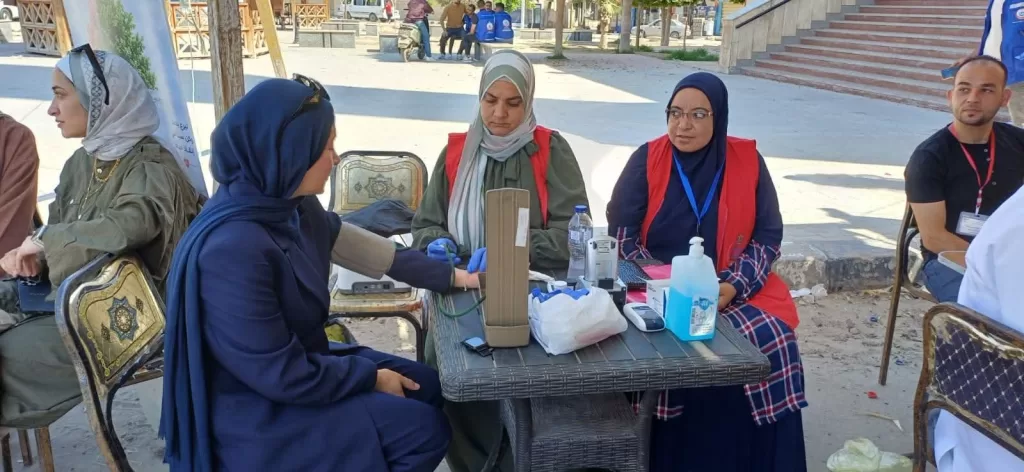
He urged women to undergo regular screenings, emphasising that the early detection of breast cancer significantly reduces the burden on both patients and the state by enabling timely treatment in line with the latest free international protocols.
Abdel-Ghaffar noted that 927,546 women have been referred to hospitals for advanced examinations. The initiative is currently being delivered through 3,663 primary healthcare units and 102 hospitals nationwide. Additionally, the scheme’s dedicated hotline (15335) has handled 34,788 inquiries.
The initiative applies the latest global breast cancer treatment protocols across 14 Ministry of Health centres and 14 university hospitals affiliated with the Supreme Council of University Hospitals. All of these facilities provide services free of charge and are progressively being upgraded into advanced oncology research centres.
Targeting women aged 18 and above, the programme includes screening for non-communicable diseases such as diabetes and hypertension, alongside recording weight, height, and body mass index (BMI). It also offers vital guidance on reproductive health, family planning, and various health risk factors.
Meanwhile, Hatem Amin, the initiative’s Executive Director, stated that 38,922 breast cancer cases have been detected so far. He added that 449,571 mammograms and 59,842 biopsy samples have been performed, with all confirmed cases receiving free medical care.
Furthermore, 161,334 women were examined via mobile medical units, which conducted 64,307 imaging procedures. Patient follow-up care is covered either through the national health insurance system or the state-funded treatment scheme.
Amin also highlighted that 30,098 healthcare workers—including physicians, nurses, radiology technicians, and pathologists —have undergone specialised training to continuously enhance the quality of service provided.

