





Legislative renaissance for Civil and political rights
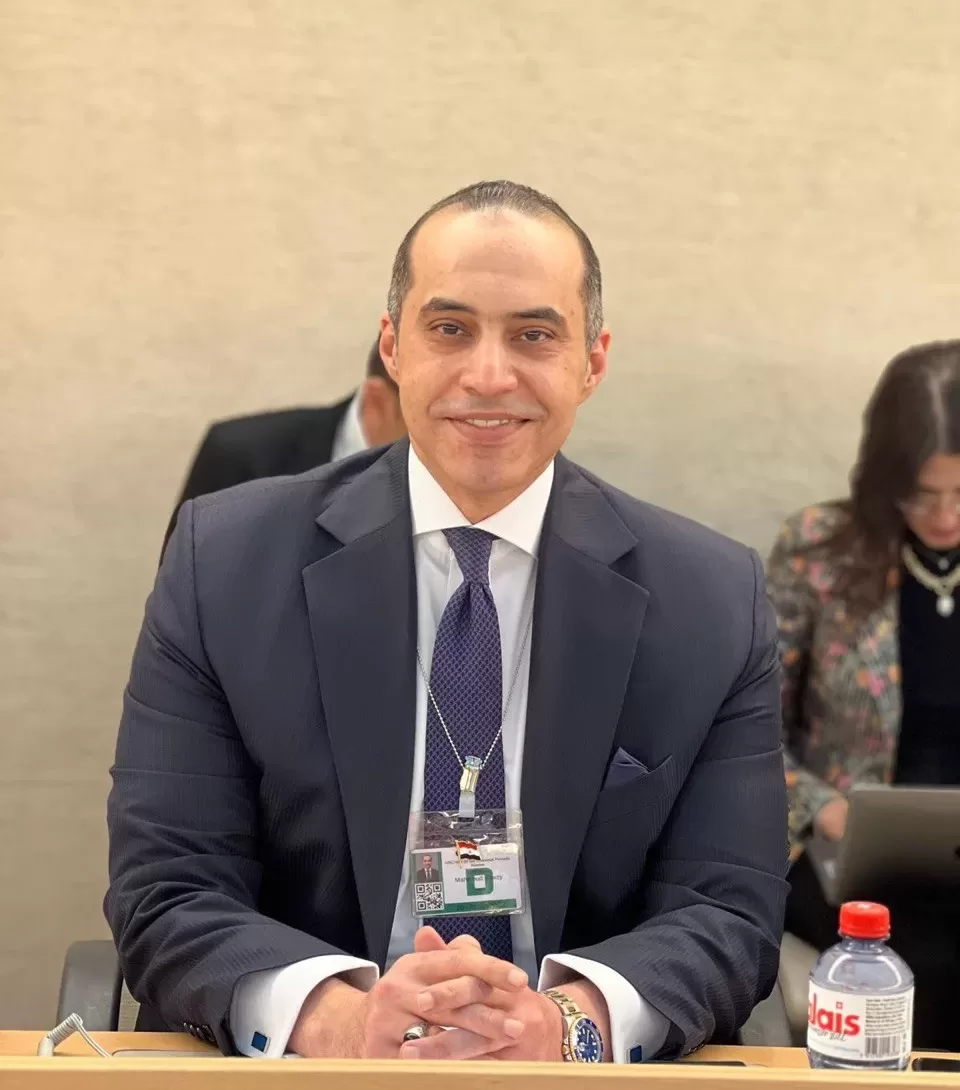
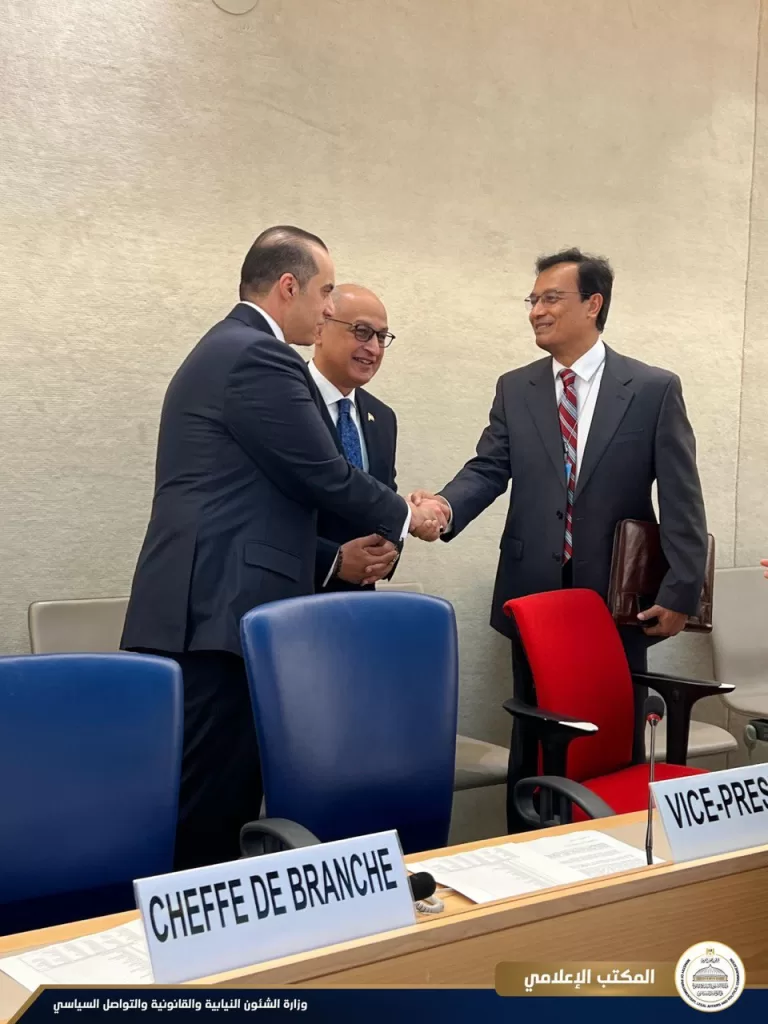
Counselor Mahmoud Fawzy, Egypt’s Minister of Parliamentary and Legal Affairs and Political Communication, emphasized Egypt’s sweeping legislative and institutional reforms in civil and political rights. These efforts reaffirm the state’s dedication to implementing recommendations from the last Universal Periodic Review (UPR) while addressing domestic and global challenges.
One notable milestone is the introduction of a groundbreaking law governing asylum for foreigners. This legislation reflects Egypt’s adherence to its international obligations, particularly the 1951 Refugee Convention, ensuring refugees enjoy their full rights and freedoms. A national committee has been established to evaluate asylum applications individually, prioritizing vulnerable groups such as the elderly, disabled individuals, pregnant women, unaccompanied children, and victims of trafficking or violence.
The law strictly prohibits forced deportation or repatriation to unsafe conditions while guaranteeing refugees’ rights to voluntary repatriation, third-country resettlement, or naturalization in Egypt. The minister also affirmed Egypt’s continued cooperation with the UNHCR, with plans to streamline refugee registration processes further.
Transforming the criminal justice system
In an ambitious step to modernize the justice system, the Egyptian government submitted a new draft Criminal Procedures Code to Parliament. Minister Fawzy described the law as a transformative move to enhance judicial efficiency and constitutional guarantees.
Key provisions address pretrial detention, including its regulation, reduction, and the introduction of compensation mechanisms for wrongful detention. The law also promotes alternatives to incarceration, supervised by the judiciary, and establishes safeguards for defendants, such as the right to silence, public trials, and nullification of evidence obtained through coercion.
The draft code mandates judicial authorization for surveillance of communications and accounts, ensuring it is restricted to specific crimes and durations. It also incorporates modern technology in judicial procedures, including remote trials and electronic notifications, aligning with international standards.
Advancing political participation and dialogue
Egypt’s National Dialogue initiative has become a cornerstone for expanding political and societal engagement. Minister Fawzy highlighted its inclusive approach, allowing diverse societal groups to shape national priorities. Unlike traditional voting methods, the initiative operates on a consensus-driven model, covering political, economic, and social dimensions.
The dialogue’s first phase produced strategic recommendations that President Abdel Fattah El-Sisi referred to the relevant authorities for study and execution. Furthermore, the initiative facilitated the release of numerous detainees through the Presidential Pardon Committee, which examines cases of those eligible for early release.
Media Diversity and Political Pluralism
Highlighting Egypt’s vibrant media landscape, Minister Fawzy pointed to the country’s diversity, with over 580 registered newspapers, 74 satellite channels, 200 licensed online platforms, and 14 radio networks. The Supreme Council for Media Regulation ensures the sector’s independence and accountability, with all decisions subject to judicial review.
Egypt’s political pluralism is equally robust, with 92 political parties participating in the last parliamentary elections. Currently, 13 parties are represented in the House of Representatives and 15 in the Senate. The recent presidential election featured four candidates and was conducted under independent electoral supervision, with monitoring by civil society, media outlets, and foreign diplomats.
A Unified Vision for Human Rights
In closing, Counselor Mahmoud Fawzy reaffirmed Egypt’s unwavering commitment to human rights as a universal and interconnected objective. With progressive legislation, sound policies, and inspiration from international best practices, Egypt continues to enhance human rights while respecting its unique constitutional and societal framework.

