



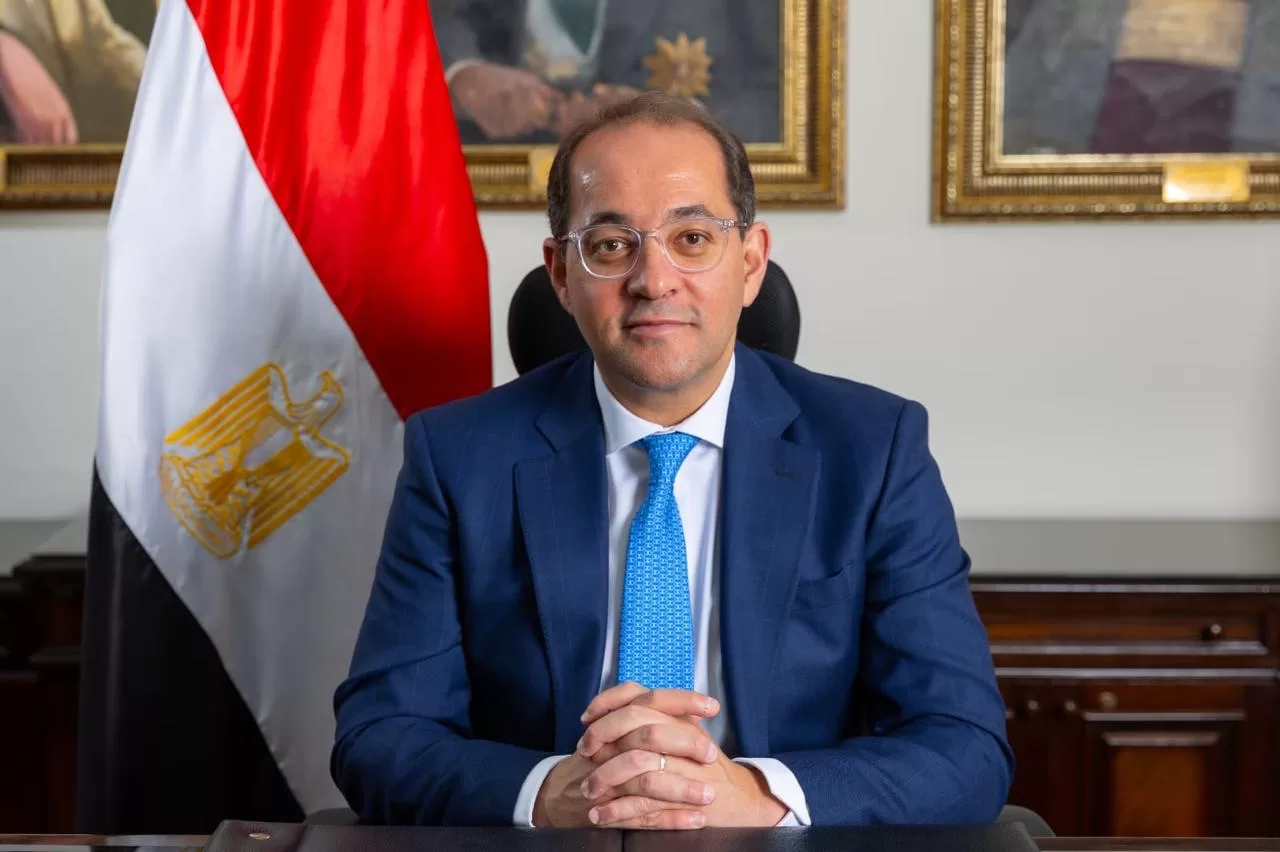
Egypt’s draft budget for the 2026/2027 fiscal year places priority on meeting citizens’ essential needs, improving public services, and supporting economic activity, Finance Minister Ahmed Kouchouk said.
Presenting the government’s financial statement before the House of Representatives (the lower house of the Egyptian parliament) on Wednesday, Kouchouk uncovered that targeted public revenues are projected to reach LE4 trillion, marking a 30 per cent increase, while total expenditures are estimated at LE5.1 trillion, reflecting an annual growth rate of 13.2 per cent.
He noted that the government is proactively addressing current and potential risks by bolstering general reserves and reallocating financial resources in line with national priorities. Fiscal policy, he added, will focus on supporting citizens, boosting financial stability, sustaining economic growth, and enhancing confidence within the business community.
To stimulate production and exports, the budget allocates LE80 billion to support manufacturing, entrepreneurship, and both goods and service exports. This includes LE48 billion for export rebates, LE6.7 billion to support the tourism sector, and LE6 billion in financing facilities for productive industries.
The minister said LE90.5 billion has been earmarked for the Unified Procurement Authority, an annual increase of 34.6 per cent, to ensure the steady provision of medicines and medical supplies. Additional allocations include LE7.8 billion for printing pre-university textbooks and LE7 billion for school nutrition programmes.
The draft budget also allocates LE821 billion for public sector wages and LE832.3 billion for subsidies and social protection programmes. These include LE178.3 billion for food subsidies and LE55.3 billion for social support schemes such as Takaful and Karama, social security pensions, child allowances, and rural women initiatives.
In the energy sector, LE120 billion has been allocated to support energy supplies, address structural imbalances, and ensure reliable service delivery. The budget also allocates LE13 billion for housing programmes targeting low- and middle-income groups, and LE4.3 billion for the development of informal settlements and slums.
Kouchouk further noted that LE69.1 billion has been allocated to finance the procurement of locally produced wheat from farmers, following an increase in the purchase price to LE2,500 per ardeb during the current season.
On fiscal targets, the government aims to achieve a primary surplus of 5 per cent, reduce the overall deficit to 4.9 per cent of GDP, and lower the debt-to-GDP ratio to 78 per cent by June 2027. It also plans to reduce external debt by approximately $1–2 billion annually.
Over the medium term, the state seeks to reduce the financing needs of budgetary entities to around 10 per cent of GDP and bring debt servicing costs down to approximately 35 per cent of total budget expenditures.

