



By Moshira el-Taher
In his inaugural visit to the southern Red Sea Governorate, Governor Walid el-Barqi reaffirmed the state’s commitment to sustainable development in the border towns of Halayeb and Shalateen. Describing the region as a “national priority,” the Governor met with tribal elders and local residents who expressed their support for the state’s role as “guardians of Egypt’s southern gate”.
Situated along the 22nd parallel in the southern reaches of the Red Sea Governorate, the region, characterised by vast plains, clear skies, and striking coastal waters, has in recent years witnessed increasing state attention across multiple sectors, backed by strong political support. The governor’s visit marked a renewed effort to translate that momentum into tangible progress on the ground.
Governor el-Barqi was received by local officials, tribal elders, and large gatherings of residents, in the presence of senior executive figures, including Deputy Governor Magda Hanna and other relevant officials. During the reception, tribal leaders voiced their appreciation for ongoing development efforts and expressed full confidence in the political leadership, reaffirming their role as the “guardians of Egypt’s southern gate” and stressing that national security and stability remain paramount.
Education, social support
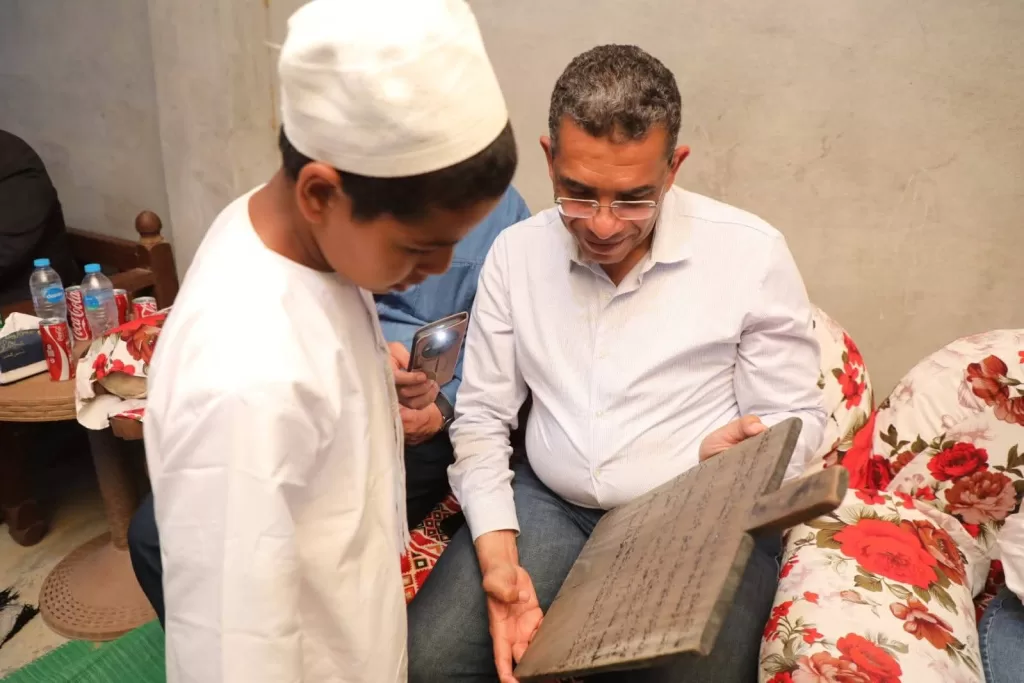
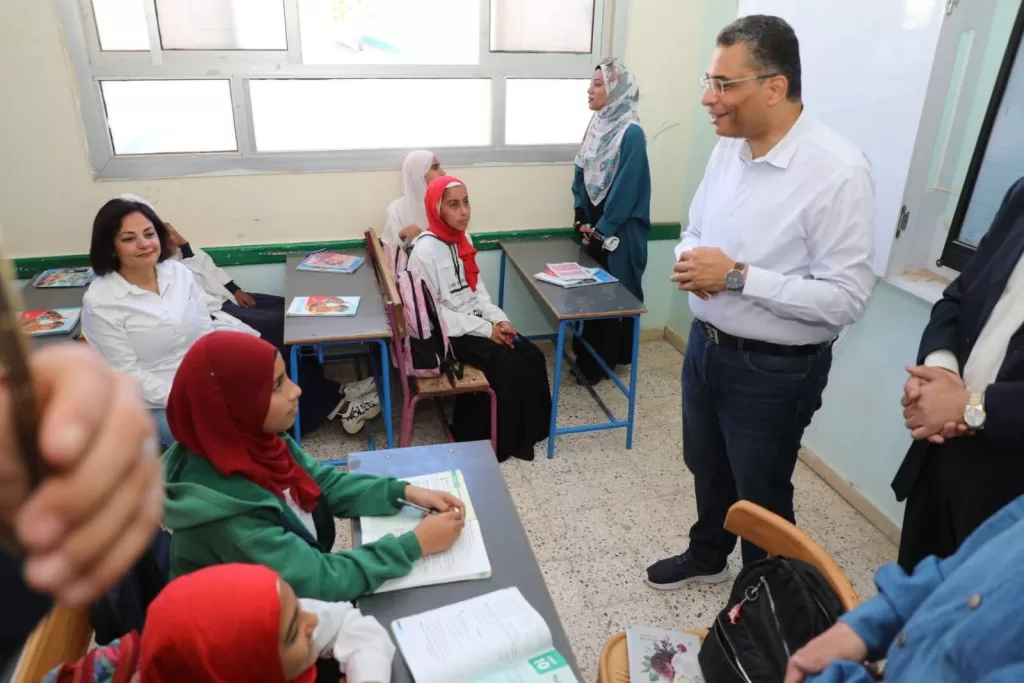
The governor began his tour in Shalateen City, where he attended the morning assembly at Major General Saad Abu Rida School and distributed school supplies to students, an initiative combining material support with a symbolic message of encouragement.
He also directed the launch of online educational convoys to provide remote learning opportunities for students in the region, utilising digital platforms to overcome geographic barriers and improve access to quality education.
In a parallel social initiative, aid packages were distributed to vulnerable families, with the governor reiterating that improving living conditions remains a core priority of the executive authorities.
Infrastructure, economic projects
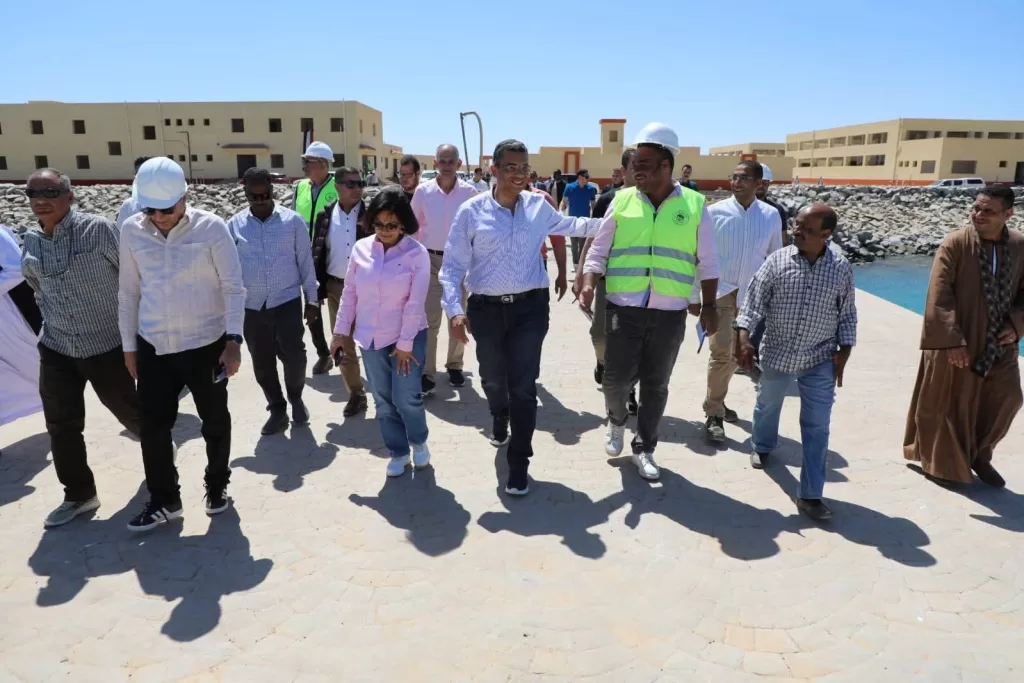
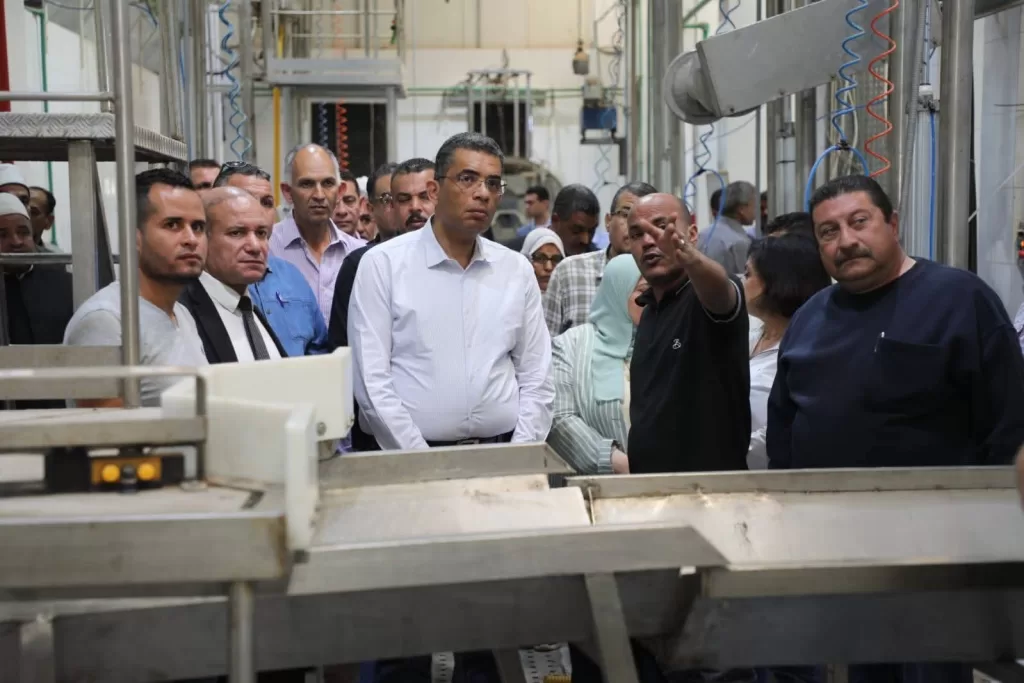
A key focus of the visit was the inspection of the Shalateen City fishing port project, which stands as one of the largest development schemes in southern Egypt. Covering 150,000 square metres and costing an estimated LE588 million, the project is currently 80 per cent complete.
The port, alongside Abu Ramad City harbour, is expected to form an integrated economic and logistics hub, strengthening regional development and supporting cross-border trade with Sudan.
The facility will include a large T-shaped quay measuring 255 by 211 metres, with a depth of 5–6 metres, capable of accommodating approximately 80 fishing vessels simultaneously. It will further feature service, processing, and refrigeration facilities, a water desalination unit, an ice plant, sorting and packaging halls, and various administrative buildings.
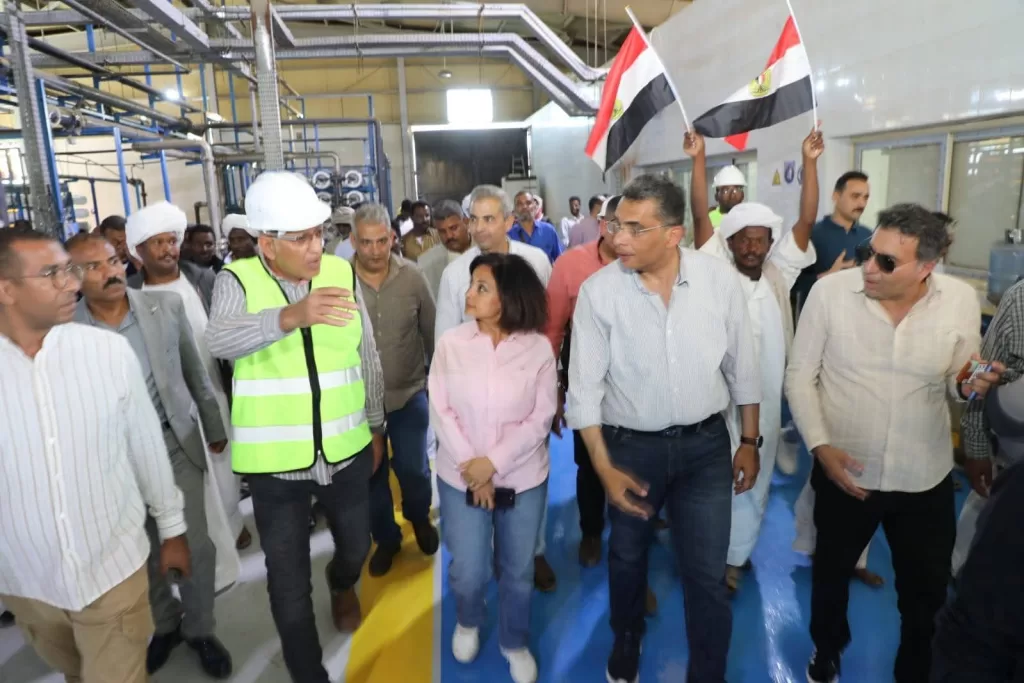
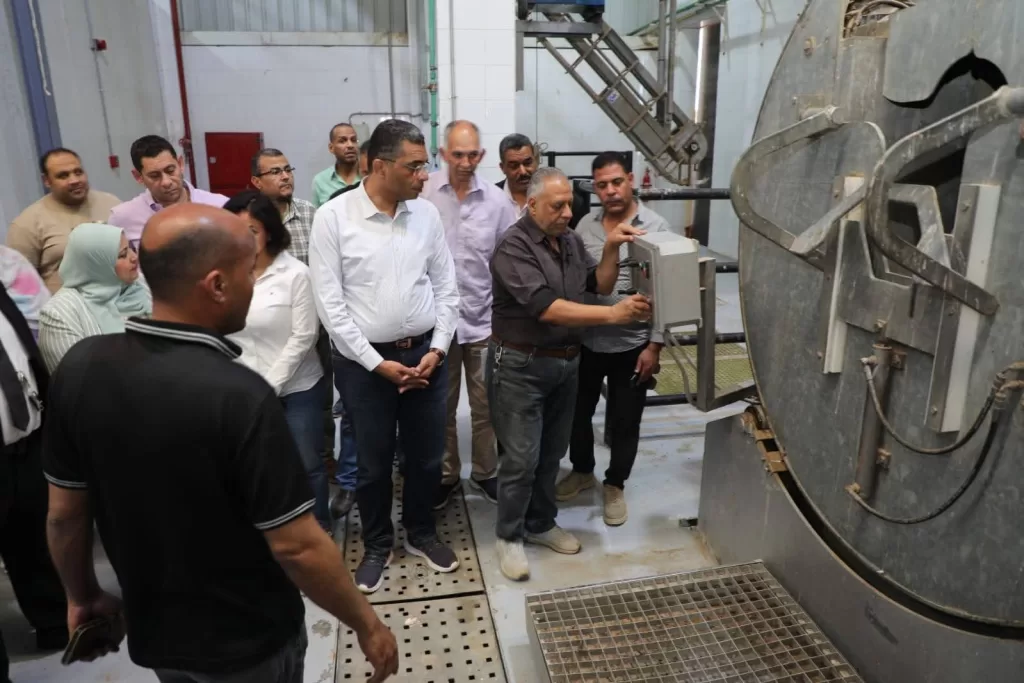
The governor also inspected the Shalateen City desalination plant, which possesses a production capacity of 9,000 cubic metres per day, and ordered the construction of additional storage tanks to ensure water supply stability and accommodate future urban expansion.
Healthcare, community services
Responding to local healthcare needs, Governor el-Barqi instructed coordination with Al-Azhar University to dispatch neurology specialists to the area, thereby reducing the burden on residents who currently travel long distances for treatment. He also toured Shalateen City Central Hospital, including the intensive care, dialysis, orthopedics, and maternity units, as well as the nursing school.
He was briefed on the progress of medical convoys that reach remote mountainous areas and the Gebel Elba protectorate to provide vaccinations and essential care. At a speech therapy centre for children with special needs, the governor reviewed services provided to 48 registered cases, praising the dedicated efforts to support vulnerable groups. He additionally visited the newly completed youth hostel and directed that it be put into immediate operation to maximise its economic and social value.
Vocational training, women’s empowerment
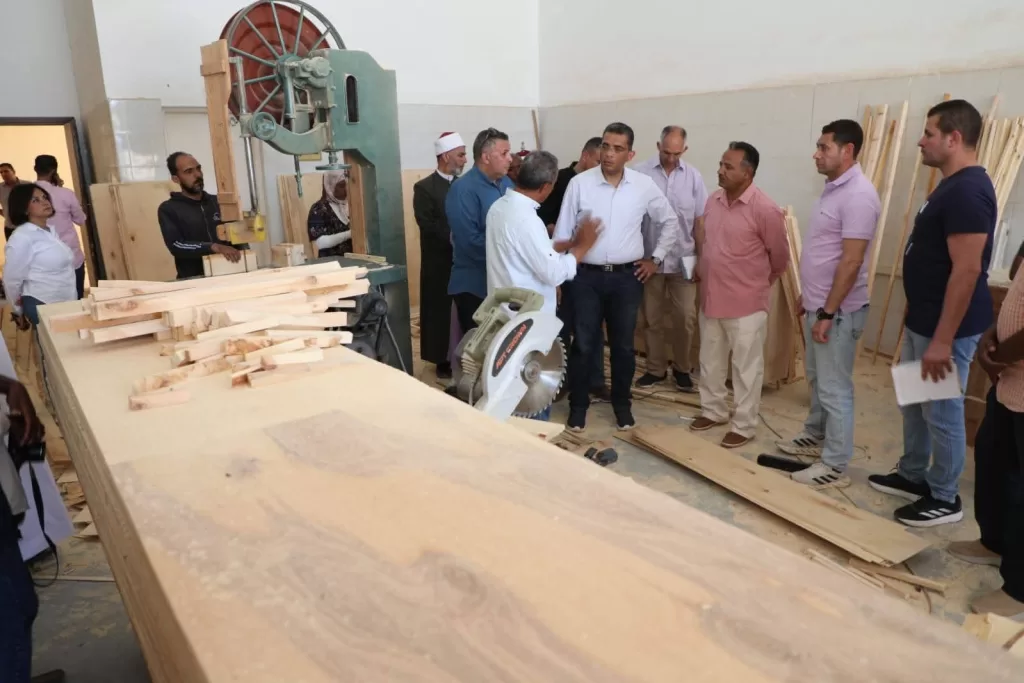
Emphasising a development vision focused on local capacity-building, the governor inspected the vocational training centre, reviewing workshops and production units aimed at transforming Shalateen City into a productive economic hub driven by local skills.
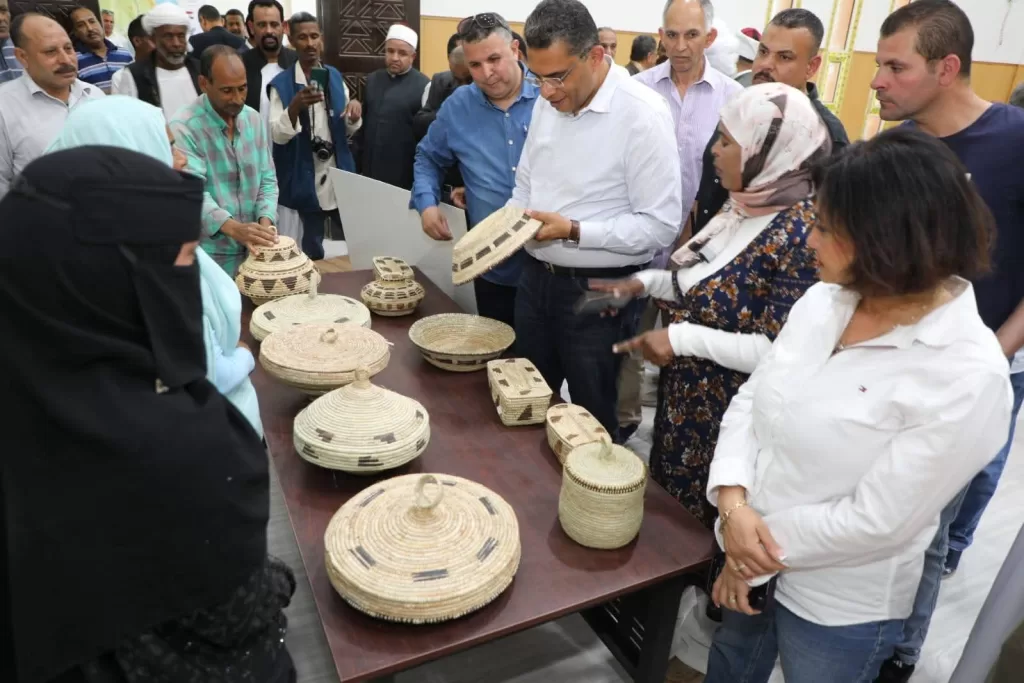
He also praised the traditional handicrafts produced by local women, pledging continued support for their economic empowerment.
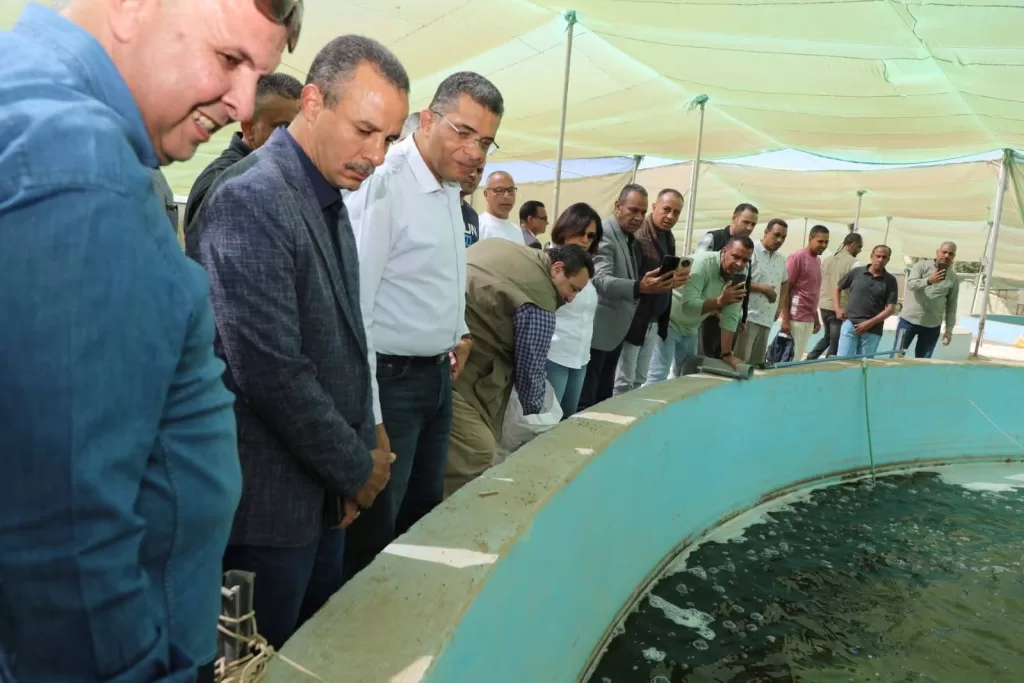
At Wadi Hudein, a model integrated development zone combining agriculture, livestock, and vocational training, Governor el-Barqi highlighted the presence of 13 handicraft centres dedicated to training women and marketing their products, describing the initiative as a genuine investment in sustainable livelihoods.
Housing, urban development
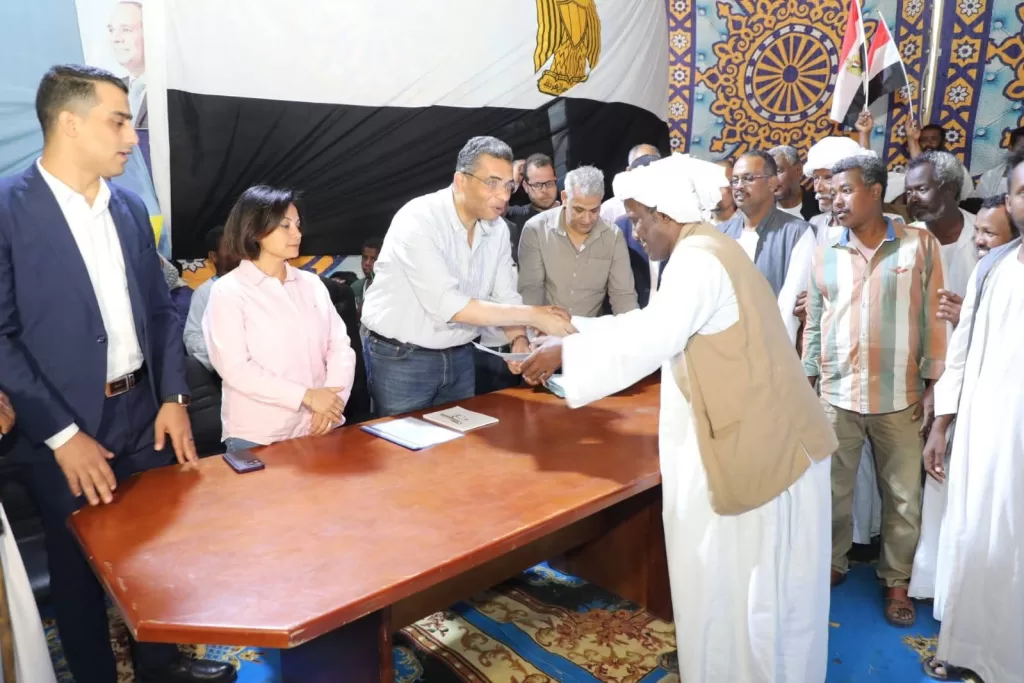
The governor announced the imminent distribution of 560 fully serviced Bedouin housing units, representing part of a larger project targeting 1,500 homes in total. He also oversaw the handover of 25 alternative housing contracts for beneficiaries of informal settlements, with further allocations to follow.
Furthermore, he instructed the immediate launch of Shalateen City’s first public beach and waterfront promenade, with the first phase extending 400 metres and designed according to modern urban and aesthetic standards.
Halayeb, Abu Ramad
In Halayeb City, the governor met with residents and tribal leaders to respond to a series of community demands. He approved the payment of university fees for students facing financial hardship and instructed the appointment of fisheries officials at Shalateen City and Abu Ramad City to streamline licensing procedures for local fishermen.
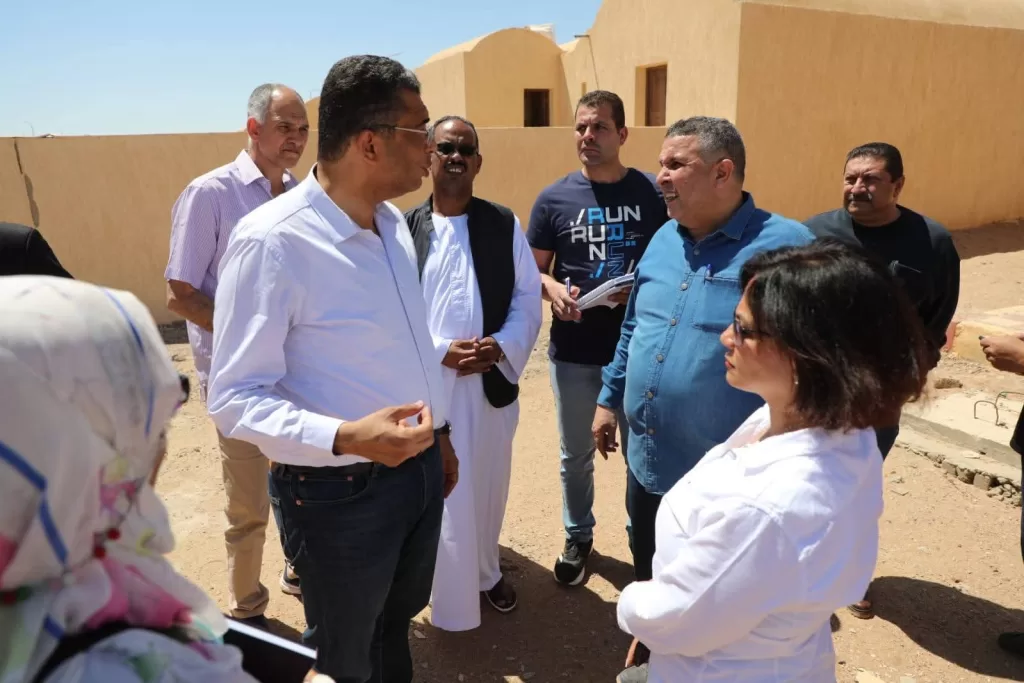
He also inspected key infrastructure projects, including a veterinary quarantine facility and a partially completed courthouse, directing that work be expedited. At the Halayeb City desalination plant, he inaugurated an expansion that increases production capacity to 4,500 cubic metres per day.
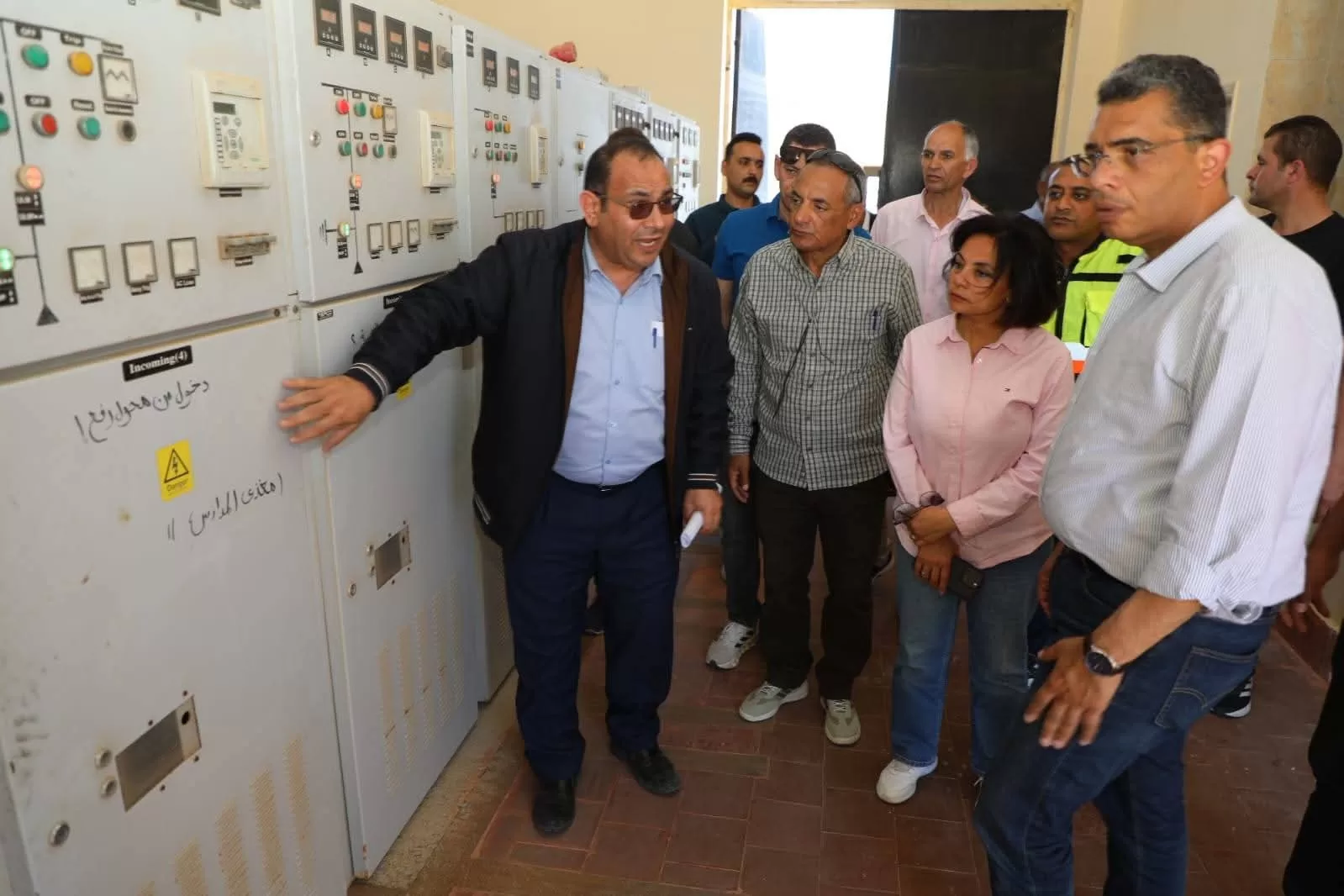
In Abu Ramad City, he inspected the electricity network in light of the nearing completion of the fishing port, which is expected to significantly increase energy demand. Consequently, two generators, each with a capacity of 1.5 megawatts, have been provided to support the area’s power needs.

