



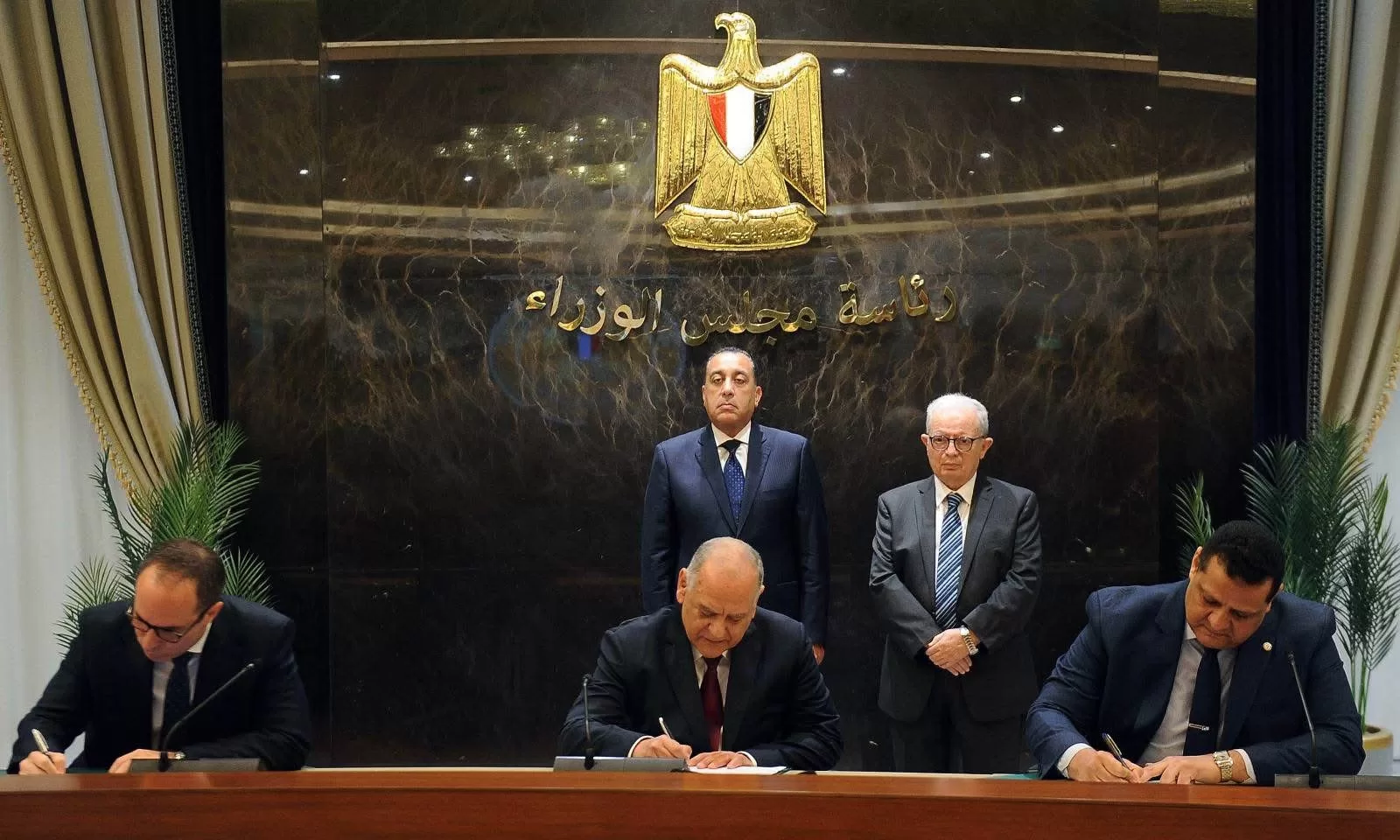
Prime Minister Mostafa Madbouly witnessed on Wednesday the signing of a strategic partnership agreement between Egypt Aluminum, a subsidiary of the Metallurgical Industries Holding Company, and Trafigura Limited, one of the world’s largest raw materials traders. The deal, valued at up to $900 million, will expand the Nag Hammadi aluminum complex in Upper Egypt, doubling its production capacity from 300,000 to 600,000 tons annually.
The agreement was signed at the government headquarters in the New Administrative Capital, with Deputy Prime Minister for Economic Affairs Hussein Issa present. Executives from Egypt Aluminum and Trafigura confirmed that the project will establish a joint venture company to finance, build, and operate the expansion. Funding will combine shareholder equity and international loans, with EFG Hermes acting as financial advisor.
Prime Minister Madbouly said the project reflects Egypt’s strategy to strengthen strategic industries, improve efficiency, and expand exports. He emphasized the role of private sector partnerships in boosting competitiveness and aligning with governance and sustainability standards. Deputy Prime Minister Issa added that the deal repositions Egypt on the global aluminum map, while Trafigura’s involvement signals strong confidence in Egypt’s investment climate.
Egypt Aluminum Managing Director Mahmoud Agour explained that the expansion will rely on EPC turnkey contracts to reduce risks and ensure timely delivery. Trafigura will secure raw material supplies, including alumina, and handle long-term marketing contracts to guarantee stable revenues. The project is expected to create jobs, support regional development in Upper Egypt, and enhance Egypt’s foreign currency earnings through increased exports.
Officials highlighted that global aluminum demand continues to grow, driven by electric vehicles, packaging, and transport industries. By expanding capacity, Egypt aims to meet rising demand, strengthen its industrial base, and attract further foreign investment. The project also incorporates modern technologies to improve energy efficiency and reduce emissions, aligning with Egypt’s sustainability goals.

