









Egypt has successfully translated the principles of the New Urban Agenda into integrated national policies, effective institutions, and tangible development achievements that have enhanced citizens’ quality of life and advanced inclusive, sustainable urban development.
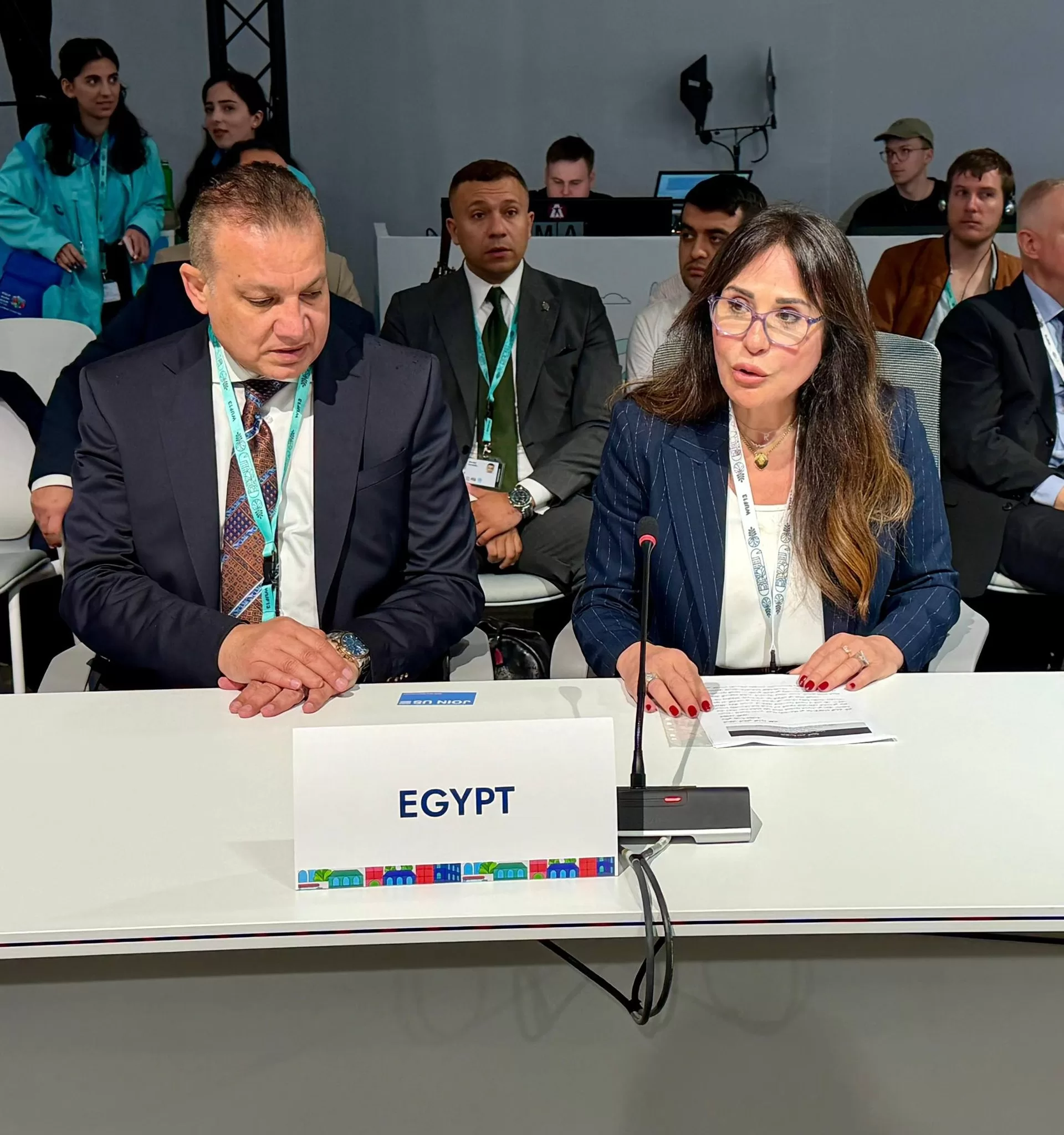
Minister of Housing, Utilities and Urban Communities Randa el-Menshawy made the remark on Sunday while presiding over Egypt’s delegation to the 13th session of the World Urban Forum (WUF13), held in Azerbaijan from May 17 to 22 under the theme “Housing the World: Safe and Resilient Cities and Communities,” with the participation of governments, international organisations, and experts in housing and sustainable urban development.
Addressing the ministerial meeting on the New Urban Agenda, el-Menshawy said Egypt was honoured to participate in what she described as a pivotal international gathering aimed at assessing progress in implementing the agenda ahead of the midterm review set to be presented to the United Nations General Assembly in July 2026.
She stressed that the true measure of success for the New Urban Agenda lies not in the volume of pledges announced, but in their translation into integrated policies, strong institutions, and concrete outcomes that directly improve people’s daily lives.
Over the past few years, Egypt has incorporated the agenda’s three core pillars — social inclusion and poverty reduction, shared urban prosperity, and environmental sustainability and resilience — into a comprehensive national development framework spanning housing, basic services, rural development, social protection, and governance, el-Menshawy noted.
Within this framework, Egypt has implemented one of the region’s largest affordable housing programmes, delivering more than 1.5 million housing units since 2014, including social and green housing projects aimed at expanding access to adequate housing for low- and middle-income groups.
The state has also completed the redevelopment of all officially designated unsafe areas through a participatory approach that combined secure relocation with resettlement in fully serviced urban communities, she said.
These efforts have helped safeguard human dignity, strengthen community safety, and improve living conditions across Egyptian cities, she added.
El-Menshawy further highlighted the impact of the presidential “Decent Life” initiative, describing it as a transformative programme that significantly reduced development disparities between rural and urban areas. Through the initiative, more than 4,500 villages have benefited from upgraded drinking water, sanitation, road networks, electricity, healthcare, and education services.

