





A’laa Koddous Allah
Egyptian-Russian relations have witnessed growing support and deepening engagement since President Abdel Fattah El-Sisi took office in 2014.
President El-Sisi and Russian President Vladimir Putin have met nearly 14 times, reflecting a high level of coordination, cooperation, and alignment of visions between the two sides.
This momentum was reaffirmed as Foreign Minister Badr Abdel-Aati delivered a written message from President El-Sisi to President Putin during his recent visit to Moscow. The visit underscored Egypt’s commitment to advancing bilateral ties and strengthening its strategic partnership with Russia.
The message addressed ways to further develop bilateral relations and enhance strategic cooperation. It also stressed the importance of continued coordination on regional and international issues of mutual interest.
During the meeting, Abdel-Aati expressed the Egyptian leadership’s strong appreciation for the strategic partnership with Russia, highlighting the continuous exchange of visits between leaders and officials from both countries.
Over the past decade, relations between Cairo and Moscow have evolved into a strategic partnership, particularly following the signing of a 2018 agreement that laid the foundation for long-term cooperation.
This partnership spans several sectors, including energy, industry, agriculture, and food security, reflecting the depth of economic collaboration.
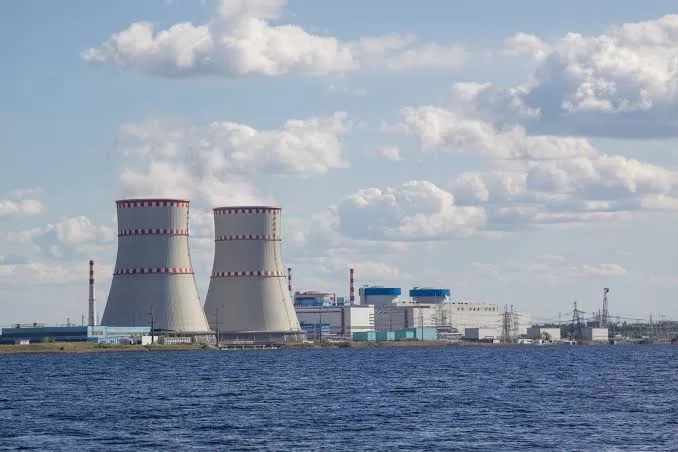
The Dabaa Nuclear Power Plant, being developed with Russian support, is a cornerstone of Egypt’s long-term energy strategy. It aims to diversify energy sources and support sustainable development.
Meanwhile, the Russian Industrial Zone in the Suez Canal Economic Zone represents another key pillar of cooperation. It is expected to attract billions of dollars in investment, create tens of thousands of jobs, and position Egypt as a regional hub for manufacturing and exports to the Middle East and Africa.
Food security remains a key component of the relationship. Russia is Egypt’s largest wheat supplier, with imports exceeding 10 million tons in 2024, covering more than 80% of Egypt’s needs. This highlights Moscow’s role as a stable supplier to the Egyptian market.
In the tourism sector, around 1.6 million Russian tourists visit Egypt annually, supported by 18 to 20 daily flights connecting the two countries.
President Putin praised the strength of Egyptian-Russian relations and the fruitful cooperation across various fields. He also commended President El-Sisi’s constructive role in supporting stability in the Middle East.
This partnership is not new. Egypt and Russia have maintained strong ties for more than 80 years. Despite global and regional challenges, relations have continued to grow, particularly in the economic sphere.
Over the past decade, cooperation has deepened significantly, elevating ties to a comprehensive strategic partnership.

