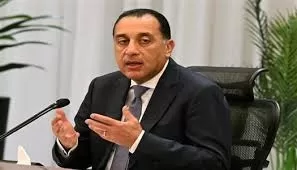





Egypt’s government has approved a wide Cabinet reshuffle. Parliament backed the changes on Tuesday, chaired by senior judge Hisham Badawi. The move reflects a push to rethink how the executive works. The focus is clear. Fix the economy. Improve performance. Cut overlap between ministries.
The reshuffle signals a more specialised model of governance. Key sectors now have clearer lines of responsibility. New portfolios aim to match the pressures of the next phase.
At the centre is a new post. Egypt has created a Deputy Prime Minister for Economic Affairs. The role goes to Dr Hussein Issa. The aim is to place economic, investment and financial policy under one strong roof. Two other deputy posts were scrapped, covering human and industrial development.
A major structural change follows. The ministries of industry and transport have been split. Lieutenant General Kamel el-Wazir keeps transport as a stand-alone portfolio. Industry moves to Khaled Maher.
Foreign policy also shifts. International cooperation is moved from planning back to the foreign ministry. Badr Abd el-Atti now heads foreign affairs, international co-operation and expatriate affairs. The change tightens coordination with donors and partners.
Health remains a priority. Khaled Abdel Ghaffar stays on as health minister. His brief is sharpened. Improve services. Strengthen institutions. Deliver reform on the ground.
Two ministries are merged to streamline local governance. Environment and local development now sit together. Manal Awad takes charge, linking sustainability with municipal management.
The government has also revived a ministry of information. Diaa Rashwan leads it. The step reflects concern over the regional media climate and the need for a more organised official voice.
Another rename signals intent. Hany Hanna Azer becomes minister for parliamentary and legal affairs, replacing a broader title that included political communication.

