



Egypt has recovered 13 antiquities from the United States that had been smuggled out of the country, the Ministry of Tourism and Antiquities announced on Friday.
The repatriation follows coordinated efforts by the Egyptian government to combat illicit trafficking in cultural property, in cooperation with the Foreign Ministry, the public prosecutor’s office, the New York District Attorney’s Office and other Egyptian and international bodies.
Tourism and Antiquities Minister Sherif Fathy said the return of the objects is part of Egypt’s strategy to safeguard its cultural heritage and reflects its determination to reclaim any artefacts removed illegally. He stressed that Egypt “will not relinquish” its right to recover such items through all available legal and diplomatic means.
Fathy thanked the US and Egyptian authorities involved for their efforts to track and retrieve the pieces, saying the cooperation contributed to protecting Egypt’s cultural legacy.
Secretary general of the Supreme Council of Antiquities, Hisham el-Leithy, said the recovered items span a wide range of periods, from prehistoric times to the Greco‑Roman era, and illustrate aspects of ancient Egyptian religious, daily and artistic life.
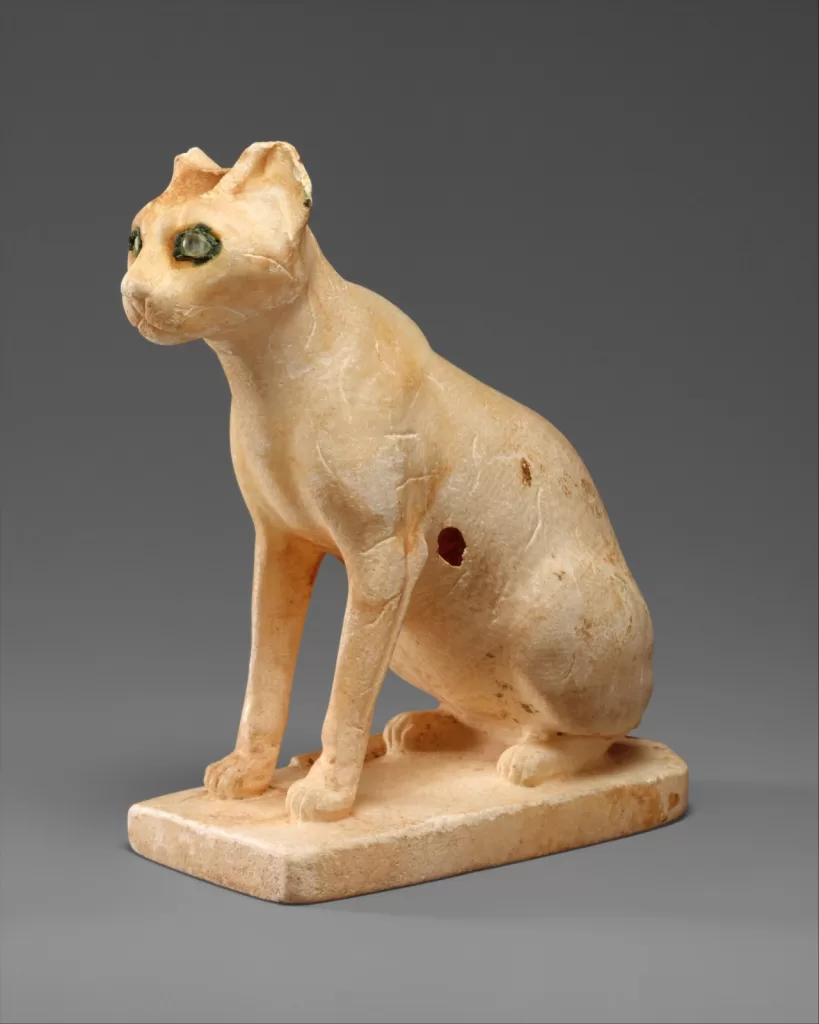
Shabaan Abdel‑Gawad, head of the Antiquities Repatriation Department, said the collection includes vessels of various shapes and sizes, among them an alabaster jar for oils and perfumes dating to the seventh century BC, a New Kingdom kohl container shaped like a monkey, and a Middle Kingdom cosmetic jar shaped like a cat.
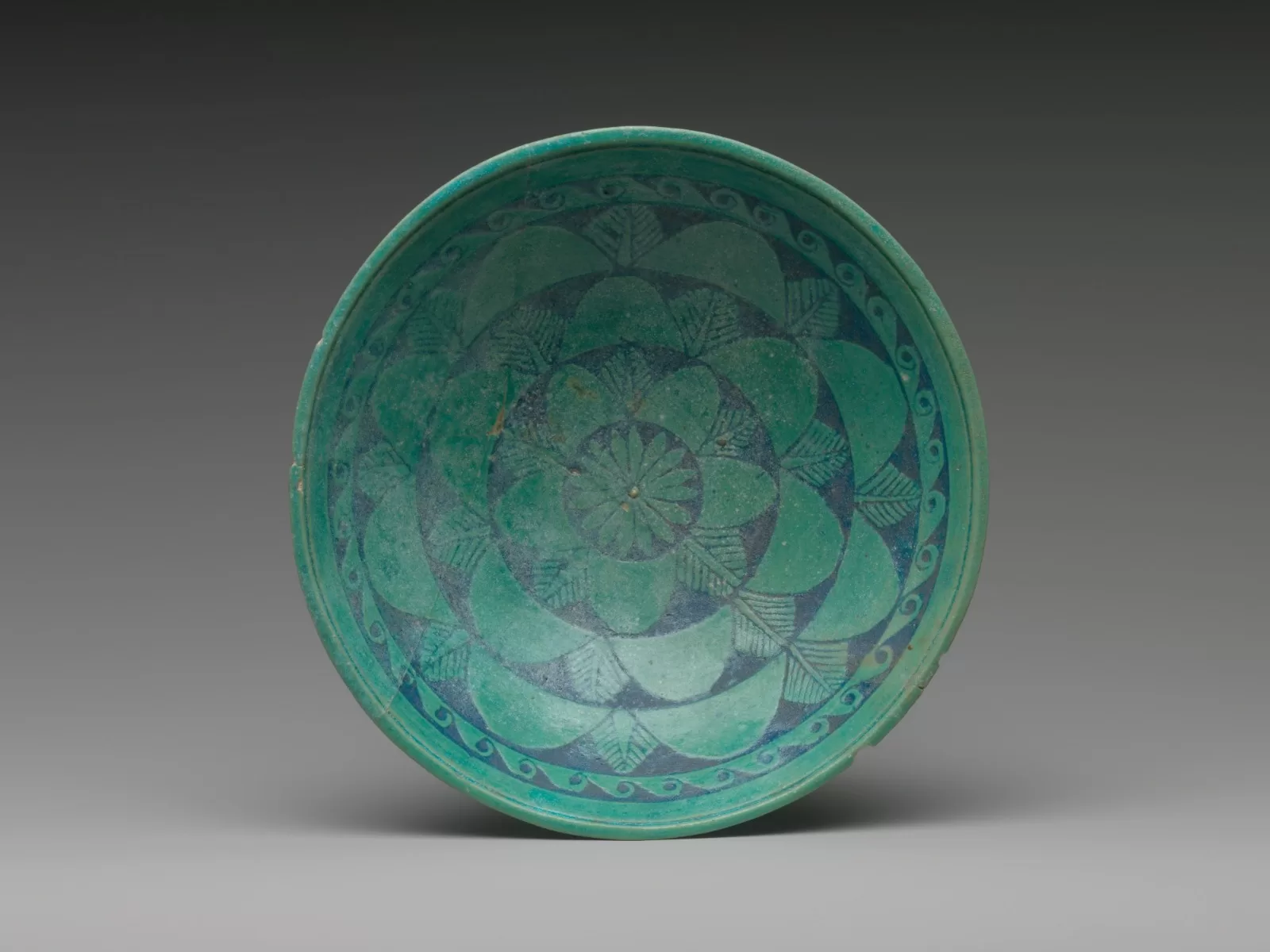
It also contains a Ptolemaic vessel, a ceremonial cup used in religious rituals and several containers for liquids and ointments from the Middle Kingdom.
Other pieces include part of a decorated vessel depicting a child among marsh plants, possibly linked to the child‑god Horus, a Ptolemaic pottery figurine of a duck, and a ceramic ornament showing the head of the Greek god Dionysus.
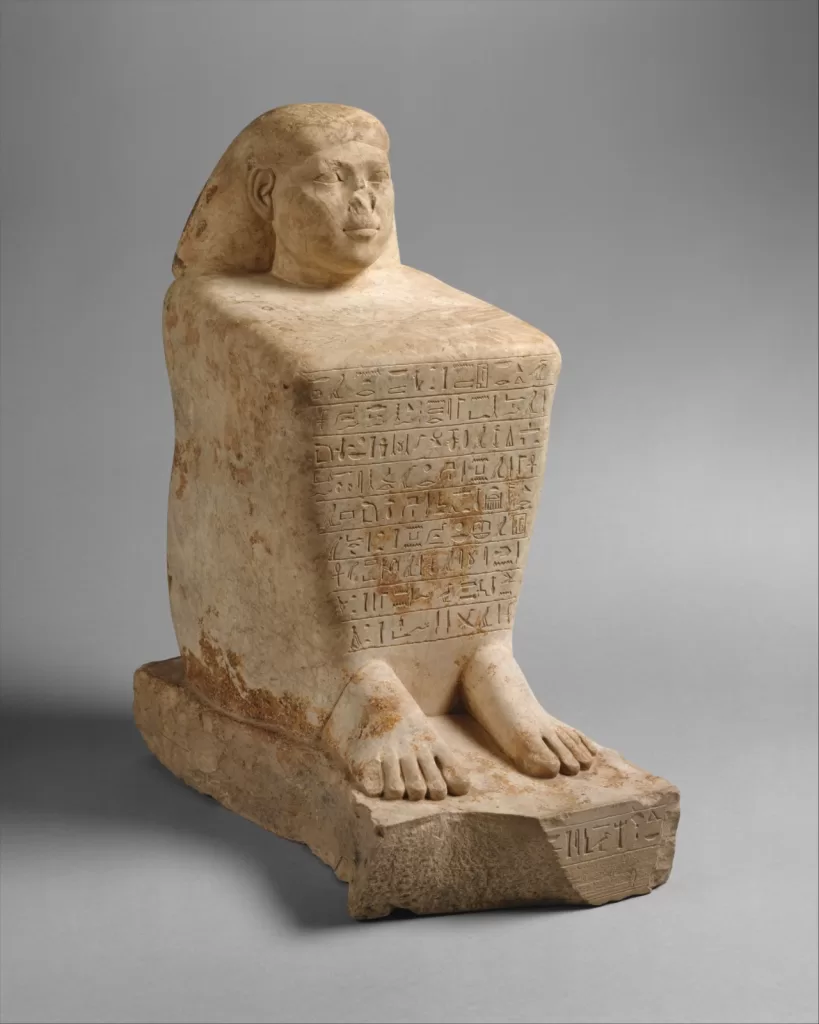
The group also features a second‑century AD statue of the goddess Isis in the guise of Aphrodite, illustrating the blending of Egyptian and Greek traditions, as well as a block statue of a man from the Late Period.