


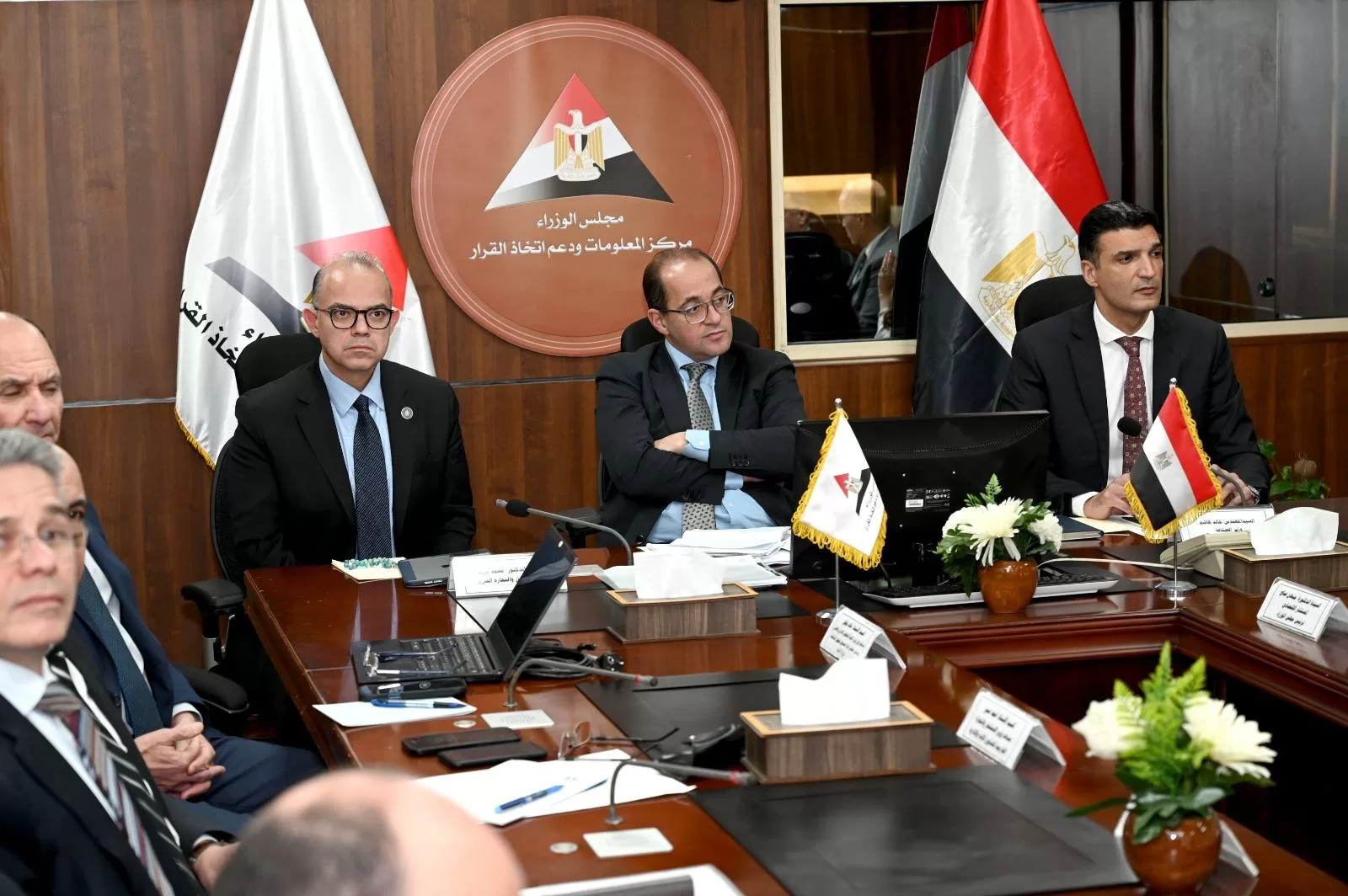
Egypt’s Minister of Industry, Khaled Hashem, held a meeting on Wednesday with Finance Minister Ahmed Kouchouk and Investment and Foreign Trade Minister Mohamed Farid Saleh.
During the meeting, they reviewed recommendations of the National Automotive Industry Development Program (AIDP).
This is the second high-level meeting in two weeks with automakers. This reflects the government’s commitment to boosting production and encouraging exports. Minister Hashem has also met with leading car manufacturers, including Mercedes-Benz Egypt, General Motors, and Nissan.
Minister Hashem said a comprehensive review of all relevant data has been conducted to help automakers identify their needs and evaluate proposals. The goal is to make the AIDP more flexible and responsive to rapid industry changes, increase local content, and strengthen domestic manufacturing.
Discussions during the meeting addressed manufacturers’ requests and task force recommendations.
The discussions also covered creating complementary export incentives, integrating automotive and supply industries into the Investment Law, combining incentives, and including hybrid vehicles in the programme with a 10% environmental bonus while keeping customs tariffs at 30%.
Minister Hashem stressed the importance of increasing local content and promoting exports. He noted that most manufacturers’ requests are already addressed in the current programme. The ministry will also explore incentives for automotive supply industries to create a fully integrated local production base. This will enhance Egypt’s competitiveness and support future sector expansion.
The minister of investment highlighted the role of the automotive industry in strengthening Egypt’s industrial base and boosting exports. He said the AIDP provides a clear, incentive-driven framework to increase local content, attract investment in supply chains, expand production, and improve competitiveness.
Minister Kouchouk confirmed that the government prioritises the automotive sector. All incentives — including tax, investment, and customs benefits — will be linked to performance, local content, production volume, and exports. This approach simplifies planning for manufacturers, encourages local production, and supports export growth.

