



Egypt is fast-tracking artificial intelligence (AI) ecosystem growth by boosting ties between startups, investors, enterprises, and policymakers.
In doing this, the leading Middle Eastern country focuses on talent, AI-driven industries, and investment.
The Egyptian government is working on formulating a raft of partnerships with global institutions to attract investments in green data centres and outsourcing services.
During his recent meeting with Chitose Noguchi, the resident representative of the United Nations Development Programme (UNDP) in Egypt, Minister of Communications and Information Technology Rafaat Hendy referred to the progress Egypt made in boosting its position as a regional digital transformation and AI hub.
As part of the 2025/2026 plan, LE13 billion in public investments are directed for developing the ICT sector, of which LE9 billion are financed through the state’s general budget, the minister said.
He added that the national plan in this regard includes a comprehensive set of programmes designed to upgrade telecommunications infrastructure, localise the manufacture of information technology components, enhance cyber-security capabilities, and scale up the integration of AI across governmental institutions nationwide.

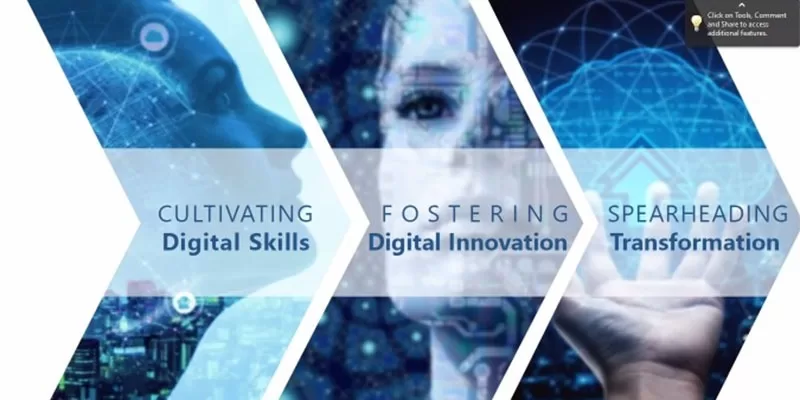
Meanwhile, President Abdel Fattah El Sisi has been actively overseeing Egypt’s digital transformation strategy, aiming to turn the country into a regional technology hub, foster a knowledge-based economy, and secure government basic data.
The government has launched a set of key IT initiatives, being carried out under the president’s supervision, including Digilians (Digital Pioneers), the Digital Egypt Builders, and the Digital Egypt Cubs.
In recent remarks, President Sisi highlighted the need for co-operation with global and local companies to train youth in IT and outsources skills.
“Egypt has invested billions of dollars on creating a comprehensive infrastructure to support this role,” the president noted.
The shift to digital services, technology experts say, has contributed to reducing time and bureaucracy, and improving the efficiency of services for citizens and companies.
The digital economy has been accelerating rapidly, with AI transitioning from experimental pilots to a core operating foundation for businesses and governments, projected to add trillions in value through 2030.

