


Egypt’s Minister of Tourism and Antiquities, Sherif Fathi, delivered a keynote address during the 51st meeting of the United Nations Tourism Organisation’s (UNWTO) Regional Committee for the Middle East, held in Doha.
The conference, themed “Sports Tourism and Tourism Industry after the World Cup,” brought together key figures to discuss the growing impact of sports tourism on regional and global economies.
During his address, Minister Fathi emphasised the transformative potential of sports tourism beyond mere economic gains.
He highlighted how it plays a vital role in promoting countries globally, strengthening their reputations as tourism destinations, and fostering cultural exchange and understanding among nations.
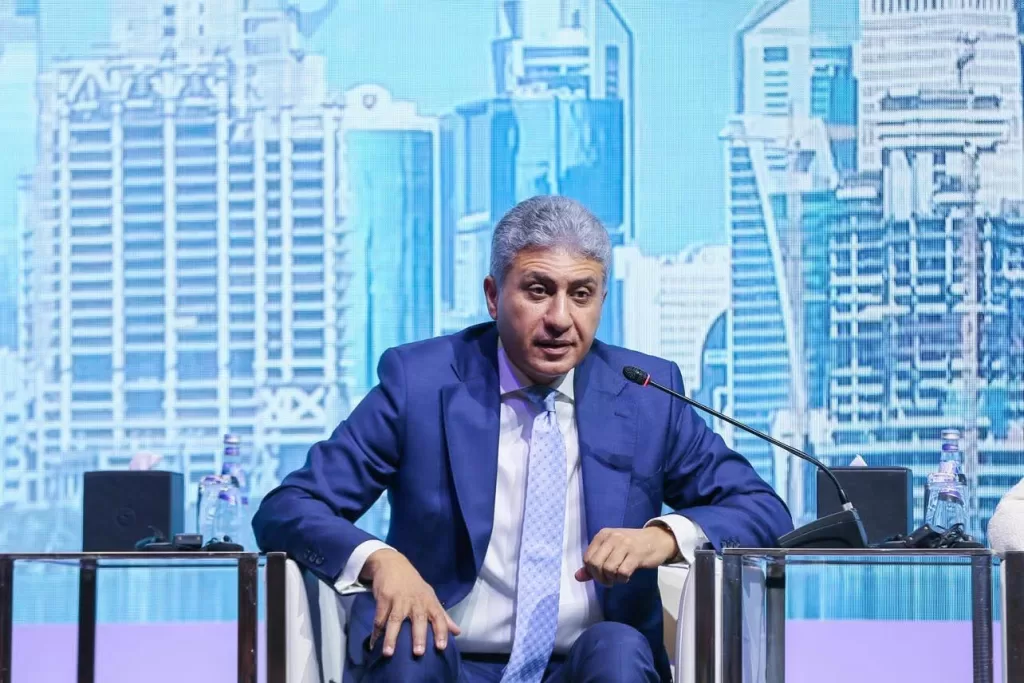
“Sports tourism must not only be regarded as a source of national income but as an opportunity to bring people together, bridge cultures, and encourage acceptance of one another,” he remarked.
Fathi explained that through sports tourism, visitors engage with local communities, immersing themselves in the culture, heritage, and archaeological treasures of the host country.
“The interaction between tourists and local communities offers opportunities to explore a country’s authentic identity beyond its sports events,” he noted.
However, the Minister also pointed to a key challenge facing the sports tourism sector in the region — the lack of specialised tour operators and companies tailored to this booming niche.
Highlighting Egypt’s readiness to position itself as a leader in sports tourism, Minister Fathi outlined the country’s substantial investments in modern sports infrastructure.
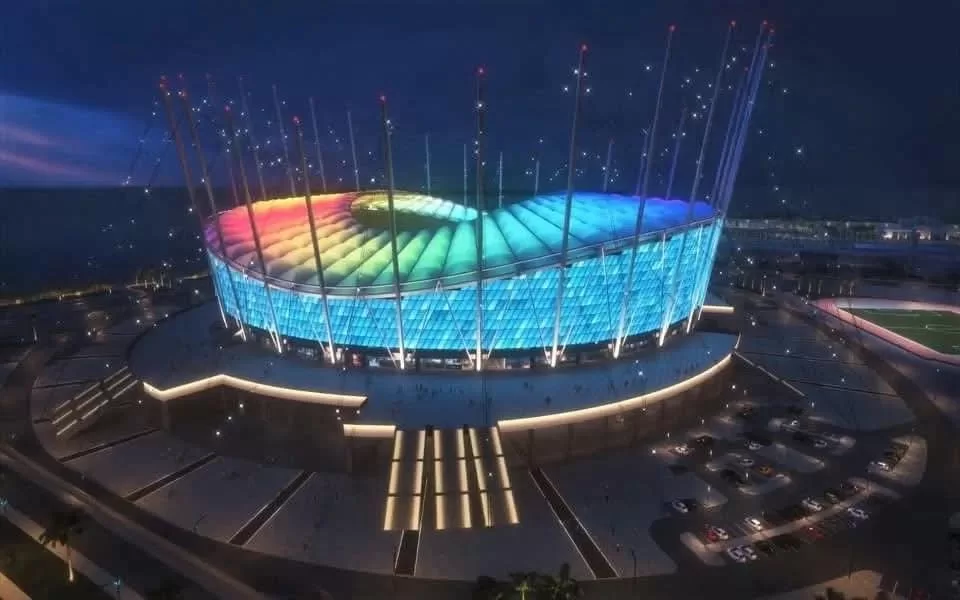
One of the landmark projects he mentioned was the newly established Sports City in the New Administrative Capital.
Touted as the largest sports investment in Egypt today, this cutting-edge facility reflects the state’s ambition to host prestigious global sports tournaments.
“The Sports City is one of Egypt’s most modern and expansive facilities, specifically built to uphold our national vision of hosting major international sports competitions,” Fathi said.
He underscored Egypt’s historic strength in sports, noting that every governorate in the country has its own sports infrastructure.
“We boast over 1,000 clubs and numerous facilities, including three football stadiums with a capacity of approximately 90,000 spectators,” the Minister added.
Egypt’s vibrant sports calendar was also highlighted, with Minister Fathi sharing that the country consistently hosts an array of regional, continental, and international events.
He said that over the past year alone, more than 40 sports-related events received sponsorship or support from the Ministry of Tourism and Antiquities, ranging from football and handball tournaments to other global championships.
The Minister’s participation in the UN meeting also coincided with a proud milestone for Egypt. During the session, Egypt was elected to the Executive Council of the United Nations Tourism Organisation for the 2025-2029 term — a testament to its active contributions and growing leadership in the field of global tourism.
Minister Fathi concluded by reiterating Egypt’s steadfast commitment to advancing sports tourism. He emphasised that with its combination of historic sports heritage, modern infrastructure, and growing expertise, the country is fully prepared to take a centre-stage role in the flourishing global sports tourism industry.

