




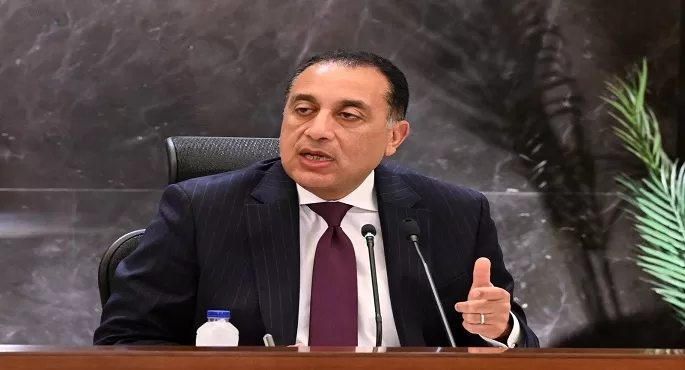
Prime Minister Moustafa Madbouli said the Central Bank of Egypt (CBE) is currently working to expand monetary cooperation and local currency settlement agreements with a number of countries, noting that negotiations are ongoing to increase the scope of these arrangements in the coming period.
Speaking at the government’s weekly press conference on Thursday, Madbouli said Egypt has already renewed its cooperation agreement with China and is currently negotiating an expansion of transactions conducted under the mechanism in a way that supports the Egyptian economy.
The prime minister noted that the expansion of such agreements is closely linked to how international institutions and partner countries view the Egyptian economy, stressing that the economic stability achieved in recent months has strengthened global confidence in Egypt.
He added that exchange rate flexibility and monetary policy stability have improved perceptions of the Egyptian economy among international institutions and global markets, encouraging more countries to pursue this type of cooperation with Cairo.
Madbouli said growing confidence has been reflected in foreign currency inflows into Egypt, particularly remittances from Egyptians working abroad, which have reached elevated levels in recent months.
He added that these inflows represent one of the most important sources of support for the country’s foreign exchange reserves and help meet the economy’s demand for hard currency.
The prime minister noted that some sectors continue to be affected by current regional and international conditions, including tourism, revenues from the Suez Canal Authority, and exports, due to higher operating, insurance, transportation and energy costs.
At the same time, he stressed that these pressures stem from external factors affecting economies worldwide rather than from domestic economic conditions.
Madbouli said the Egyptian economy is managing the current global crisis more effectively than during crises experienced two or three years ago.
He added that production indicators across factories and various productive sectors remain on a normal trajectory, with no direct domestic disruptions affecting economic activity.
The prime minister also highlighted the continued stability of yields on Egyptian bonds despite regional tensions and the ongoing conflict in the region, describing this as one of the most positive indicators for the economy.
He explained that investors and international financial institutions rely on such indicators to assess risk levels across different economies, noting that stable bond yields reflect global market perceptions of Egypt as a stable and relatively low-risk economy.
Madbouli said this positive environment will support Egypt’s ability to secure additional financial and monetary agreements in the coming period, as the CBE continues efforts to deepen cooperation with international partners.

