









Egypt’s Minister of Labour Hassan El-Raddad said on Thursday that preparations are underway to launch a digital labour platform aimed at regulating the labour market and directly connecting job seekers with employers in a fast and efficient manner, helping to improve employment rates and reduce the gap between supply and demand.
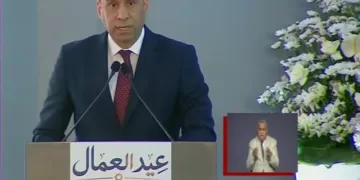
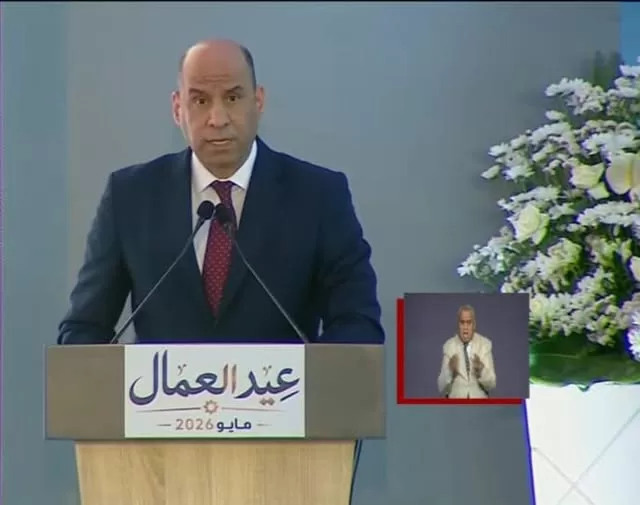
Speaking during Labour Day celebrations held at the Egyptian National Railway Industries Company (NERIC), in the presence of President Abdel Fattah El-Sisi, ministers, and representatives of employers, workers, and Arab and international labour organizations, the minister highlighted ongoing efforts to strengthen vocational training systems.
He noted that the ministry has expanded training centres and introduced new mobile training units to reach various governorates and underserved areas.
El-Raddad said Labour Day reflects appreciation for Egypt’s workforce, describing workers as a cornerstone of production and a key partner in driving development and stability.
He added that the state, under President El-Sisi’s leadership, is committed to fostering a fair and safe working environment that balances the interests of all parties.
The minister also confirmed the implementation of presidential directives issued during last year’s Labour Day, including enhancing worker protection, expanding social safety nets, and promoting women’s economic empowerment.
He announced the completion of a national occupational safety and health strategy in cooperation with the International Labour Organization, alongside progress on a domestic workers law.
Over the past year, more than one million job opportunities have been created domestically and abroad, contributing to lower unemployment rates, supported by major national projects.
El-Raddad added that around EGP 2 billion has been disbursed to support irregular workers, while the Emergency Workers Fund has spent EGP 2.5 billion since its establishment.
He described the new labour law, recently ratified by the president, as a “qualitative leap” in regulating labour relations and boosting investment while safeguarding workers’ rights.

