



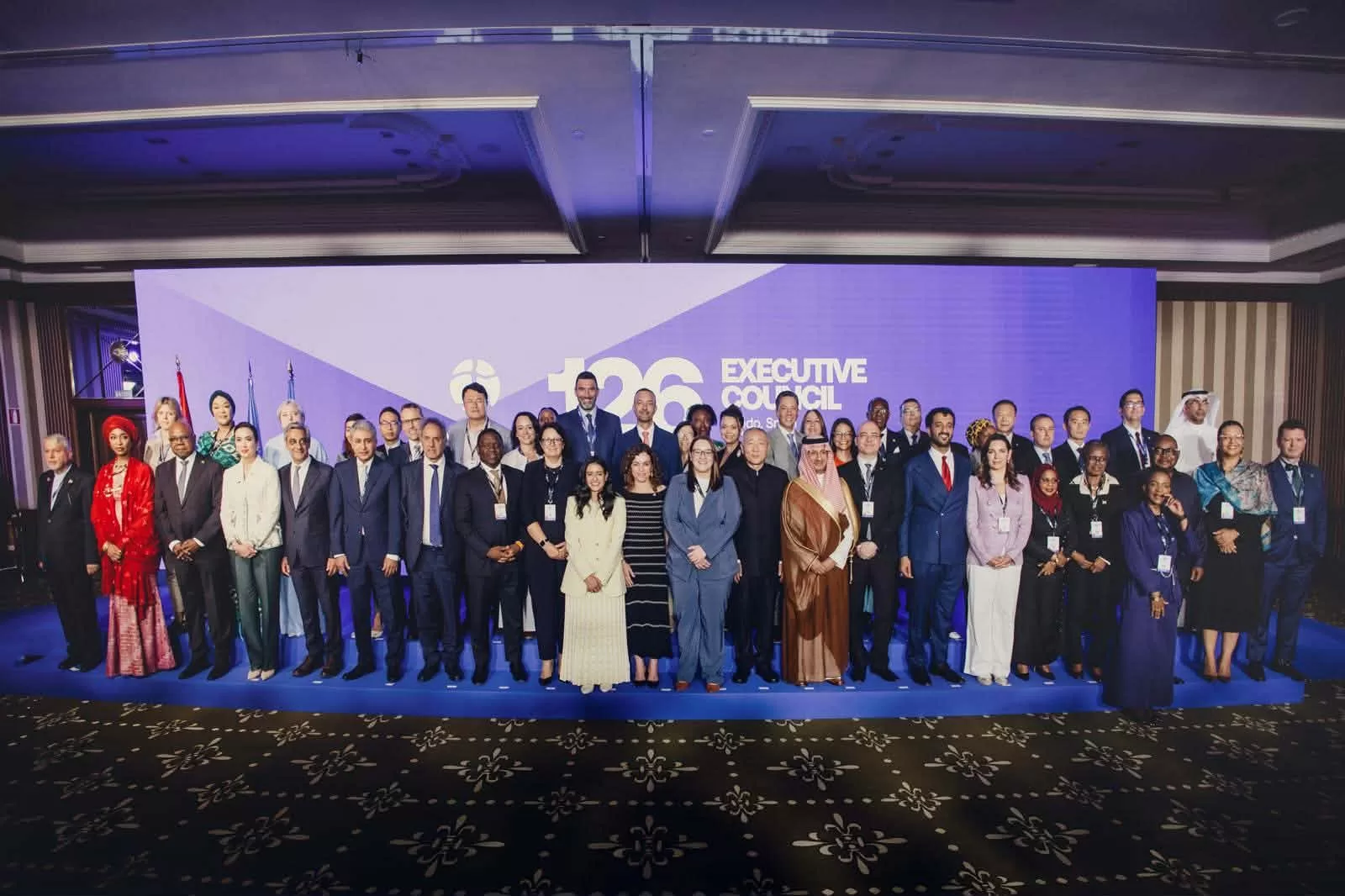
Egypt has reaffirmed its commitment to supporting international efforts to strengthen the tourism sector, with Minister of Tourism and Antiquities Sherif Fathy highlighting the importance of resilient transport networks and global cooperation during the 126th session of the Executive Council of UN Tourism in Toledo, Spain.
Fathy said Egypt’s participation in the meeting was particularly significant following its election to the organisation’s Executive Council for the 2025–2029 term, a move that reflects the country’s growing role in advancing tourism development at both regional and international levels.
Addressing the council on Thursday, the minister thanked Spain for hosting the session and praised the strategic vision presented by Shaikha Al Nowais, Secretary-General of UN Tourism, describing it as a realistic roadmap aligned with the challenges facing the global tourism industry.
He reaffirmed Egypt’s commitment to working closely with the organisation to implement the strategy and achieve its objectives.
Fathy stressed that strengthening the resilience of the tourism sector requires concerted international efforts to support the movement of travellers, tourists and goods worldwide.
Ensuring safe, efficient and affordable transport, he said, remains essential to sustaining global tourism flows and supporting economic growth.
He noted that air, maritime and land transport networks serve as the backbone linking tourist destinations with source markets, underscoring the need to maintain their efficiency and continuity, particularly amid geopolitical crises and rapidly evolving global challenges.
The minister also reiterated Egypt’s full support for UN Tourism initiatives aimed at enhancing the sector’s contribution to economic growth and sustainable development worldwide.
The council’s discussions focused on a range of priorities facing the global tourism sector, including sustainable tourism development, economic growth, job creation and social inclusion.
Delegates also examined ways to address challenges stemming from geopolitical tensions, economic volatility and climate change.
Participants highlighted the growing importance of innovation, digital transformation and artificial intelligence (AI) in tourism, alongside climate action and investment in human capital development to improve the sector’s resilience and sustainability.

