




Egypt’s Ministry of Transport announced major progress on the West Nile Monorail project, a key part of the country’s plan to expand sustainable, eco‑friendly public transport. The 43.8‑kilometer line will connect October City to Wadi El Nil with 13 stations, serving universities, hospitals, malls, and residential areas.
The project, built by a consortium led by Alstom and Arab Contractors, is designed to ease traffic congestion, reduce fuel consumption, and cut pollution. It will also integrate with Egypt’s wider transport network, linking to Metro Line 3, the high‑speed electric rail, and the national diesel railway system.
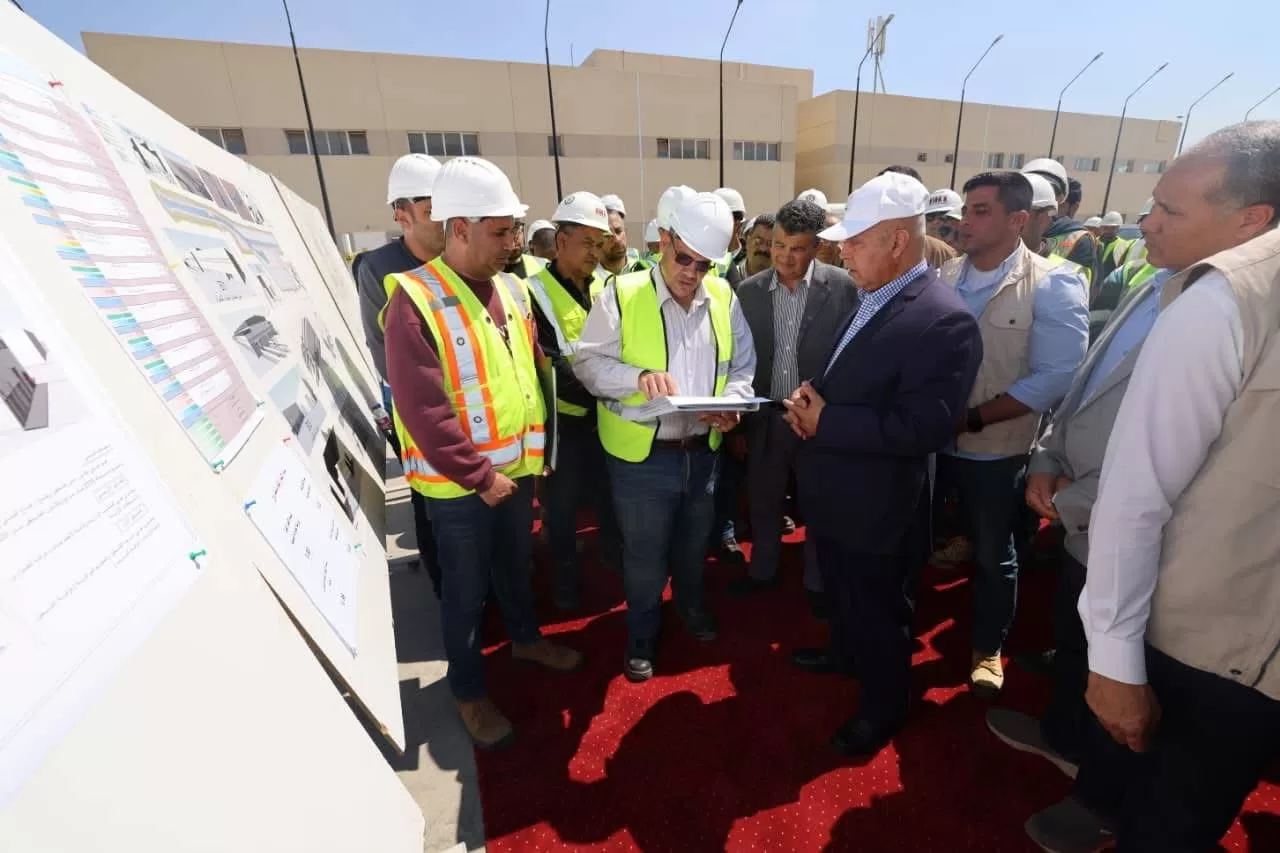
Transport Minister Kamel El‑Wazir inspected on Sunday construction sites, mechanical works, and station finishing. He confirmed that all 30 trains—each with four cars—have been delivered, with plans to expand to eight cars in the future as demand grows. The minister also reviewed the central control center and maintenance depot, covering 80 acres with 13 buildings.
The monorail is expected to carry up to 600,000 passengers daily once both East and West Nile lines are complete, totaling 100 kilometers and 35 stations. Beyond transport benefits, the project has created 12,000 direct jobs in civil and electromechanical works and 8,000 indirect jobs in related industries and services.
Officials highlighted the monorail’s ability to operate on elevated tracks, even in narrow or crowded streets, making it a flexible solution for urban expansion. The line will serve key institutions such as October University, Nile University, Dar El Fouad Hospital, and major shopping centers like Mall of Egypt and Mall of Arabia.
Minister El‑Wazir stressed the importance of completing the project on schedule, calling it a “civilizational leap” in Egypt’s public transport system—modern, safe, and environmentally friendly, designed to attract commuters away from private cars and support the country’s sustainable development goals.

