




Minister of Higher Education and Scientific Research Abdelaziz Konsowa said the ministry is moving forward with a comprehensive strategy to upgrade healthcare services and advance medical education.
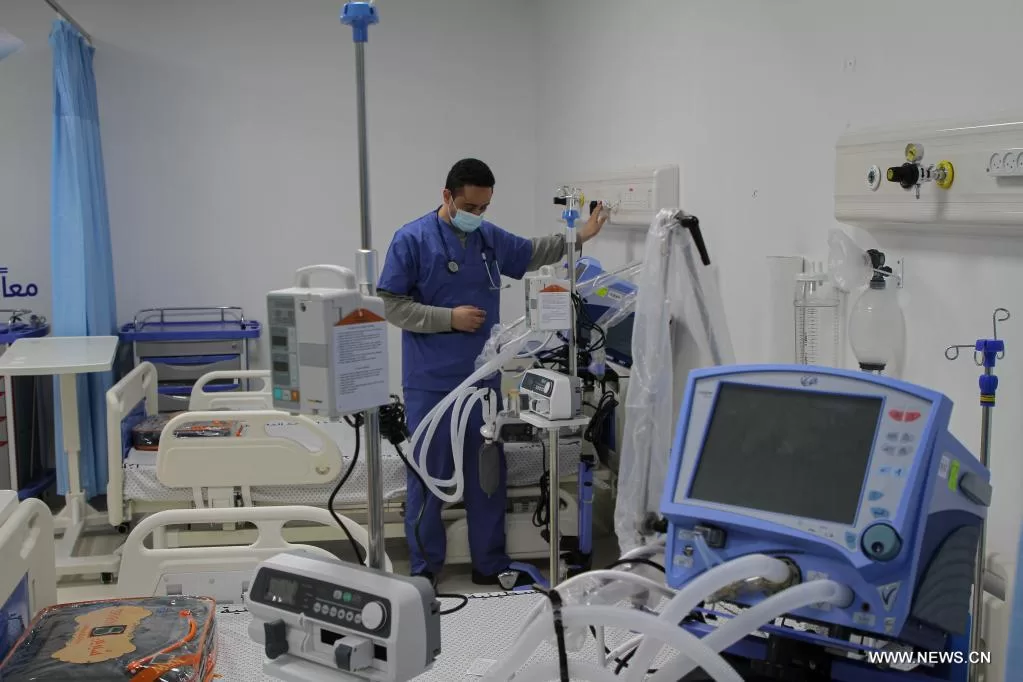
In a press release issued on Saturday, the minister said the plan seeks to reinforce the role of university hospitals as integrated centres for treatment, education, and research. Key measures include modernising infrastructure, expanding bed capacity, equipping facilities with advanced medical technologies, and digitising administrative systems to streamline procedures and improve efficiency.
Konsowa added that the ministry is prioritising the development of young doctors and nursing staff through advanced training programmes aligned with international standards, with a stronger emphasis on hands-on experience. University hospitals will also play a central role in national and presidential health initiatives, including efforts to eliminate waiting lists, expand telemedicine services, and address cancer, mental health, addiction treatment, and autism diagnosis, alongside medical convoys and outreach campaigns serving hundreds of thousands of citizens.
He noted that the number of university hospitals has risen to 147, including 52 specialised facilities. These institutions account for around 30% of total healthcare beds and 50% of intensive care capacity within the government sector.
In 2025, university hospitals treated approximately 32 million patients, delivered 76% of tertiary-level services for advanced surgeries, and performed 658,000 operations, including 393,000 major and highly specialised procedures.

