




By Wael Salem
Egypt intensifies efforts to position itself as a leading destination for foreign direct investment, building on a wide-ranging programme of economic reforms, improved investment policies, and large-scale infrastructure development aimed at strengthening confidence among global investors.
At the centre of this strategy is a clear policy shift towards empowering the private sector as the main driver of growth.
Over the past few years, the government has introduced a series of incentives, tax reforms, and administrative improvements designed to reduce the cost of doing business, simplify procedures, and increase transparency.
Government officials say the aim is not only to attract new investors, but also to support the expansion of existing companies already operating in the market.
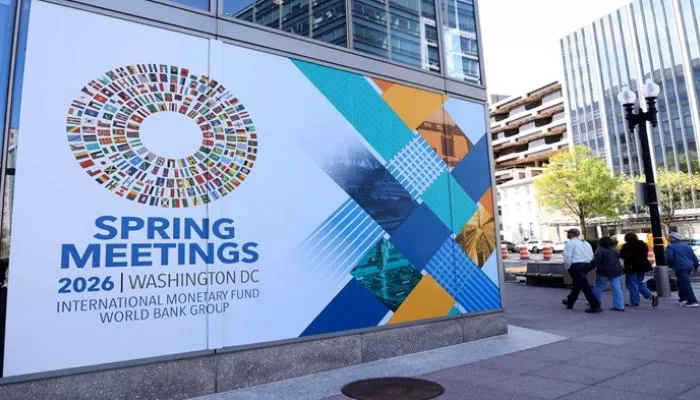
This renewed focus has been reflected in Egypt’s high-level diplomatic and economic engagement, including the visit of Foreign Minister Badr Abdel-Aati to Washington last week, accompanied by a ministerial delegation, to take part in the annual meetings of the World Bank Group (WBG) and the International Monetary Fund (IMF).
During a series of meetings on the sidelines of the gatherings, Minister Abdel-Aati highlighted Egypt’s efforts to strengthen international development partnerships and improve the investment climate, stressing that supporting the private sector remains a top government priority and the main engine of economic growth.
He also outlined ongoing reforms, including tax and customs incentives, digital transformation measures to streamline procedures, and updated legislation aimed at enhancing transparency and fair competition.
Egypt’s participation in these global meetings, economists said, plays a vital role in shaping future investment flows and identifying emerging opportunities.
“Egypt’s participation in the annual meetings of the WB and the IMF in Washington plays a crucial role in shaping future investment maps and identifying emerging opportunities,” capital markets specialist Hanan Ramsis told The Egyptian Gazette.
She noted that Egypt works to secure a larger share of global foreign direct investment by leveraging its relative domestic stability, ongoing development projects, and continued investment in infrastructure.

Key national priorities, she said, include upgrading utilities and further improving the overall investment environment.
Ramsis noted that the World Bank–IMF meetings are widely seen as a key global platform where financial and investment priorities are set, particularly at a time of heightened geopolitical tensions, conflict risks, and rising energy prices.
The gatherings also attract strong participation from major economies, including the G7, which use the platform to debate monetary and financial issues and explore new investment opportunities.
Stronger investment inflows, she explained, could help increase foreign currency availability, support exchange rate stability, and ease pressure on the economy.
At the same time, they could reduce inflationary pressures and allow monetary authorities to maintain interest rates, rather than raise them further, helping to lower financing costs and support broader economic activity.
Egypt’s continued engagement in these meetings, Ramsis said, helps reinforce expectations of stronger investment inflows and improved foreign currency liquidity.
Sherine el-Shawarby, an economics professor at Cairo University, said Egypt’s investment appeal is closely linked to recent progress in macroeconomic stability and structural reform.
“The government’s move towards a more flexible exchange rate regime marked an important step in correcting market distortions, improving foreign currency availability, and rebuilding investor confidence,” she told the Gazette.
Infrastructure development, she added, remains a key pillar of Egypt’s strategy to attract investment.
She noted that over the past few years, the country has implemented an ambitious programme of large-scale projects aimed at modernising transport, logistics, and energy systems.
“Major upgrades to ports, roads, and the railways have improved supply chain efficiency, reduced transport times, and lowered operational costs for businesses,” professor el-Shawarby said.
“Investments in energy infrastructure have strengthened electricity reliability, which is essential for industrial expansion and long-term investment planning,” she added.
She referred to the development of industrial zones and economic corridors equipped with ready infrastructure and streamlined regulations.
“These zones are increasingly attracting multinational companies looking to benefit from Egypt’s strategic location at the crossroads of Africa, Europe, and Asia,” she concluded.

