


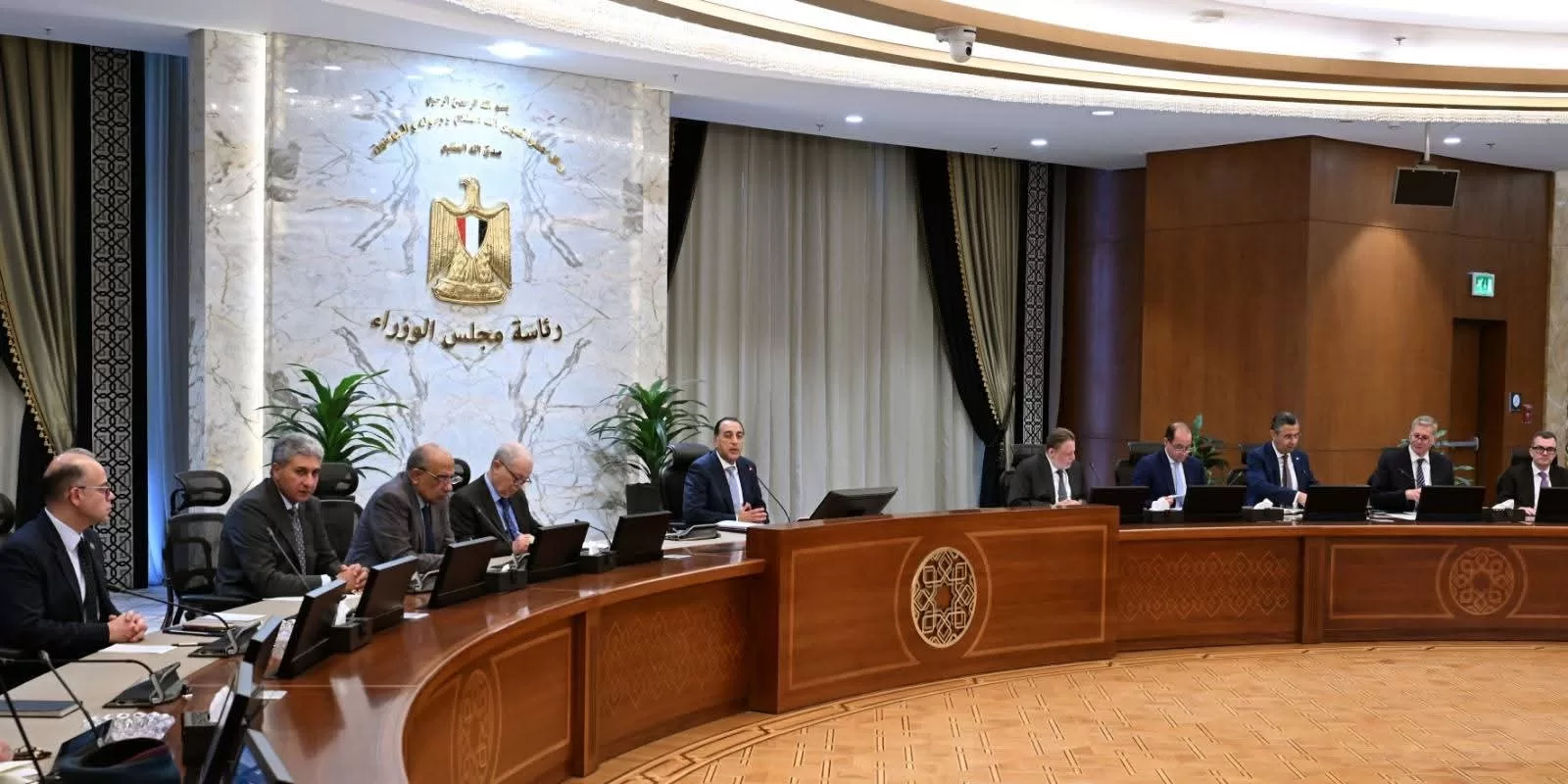
Egypt’s Prime Minister Moustafa Madbouli chaired a meeting of the Central Crisis Management Committee on Tuesday to address the repercussions of the ongoing military escalation in the region.
The meeting reviewed a detailed report from the committee’s Technical Secretariat on significant economic and political developments, potential impacts on the global and local economies, and anticipated scenarios for the duration of the conflict.
The committee further examined key economic repercussions, including potential revisions of major indicators, disruptions to energy supplies, fluctuations in oil prices, impacts on global trade, and implications for international economic growth.
Locally, real-time monitoring platforms provided insights into commodity prices and stocks, shipping activity in the Suez Canal, foreign exchange trends, and electricity production and consumption, supporting informed decision-making.
In this respect, the premier highlighted that the ongoing measures aligned with presidential directives to mitigate the crisis’s effects, including monitoring markets, securing energy supplies, and ensuring the continuity of production and essential goods.
Financial strategies reviewed include the provision of foreign currency to meet private sector needs, maintaining reserves to absorb external shocks, and rationalising public spending to strengthen economic resilience, the Cabinet Spokesman Ambassador Mohamed el-Homosani said.
The meeting also assessed strategic reserves, particularly for wheat and petroleum products, confirming sufficient supply levels to meet domestic needs for months ahead, he added.
Plans to diversify supply sources, maintain food security, and guarantee the equitable distribution of resources were reviewed, alongside mechanisms to monitor consumption and optimise supply governance.
At conclusion, PM Madbouli affirmed the government’s commitment to sustaining essential services, stabilising markets, and maximising export opportunities to reinforce foreign currency reserves, ensuring citizens’ needs are met without disruption despite regional uncertainties.

