


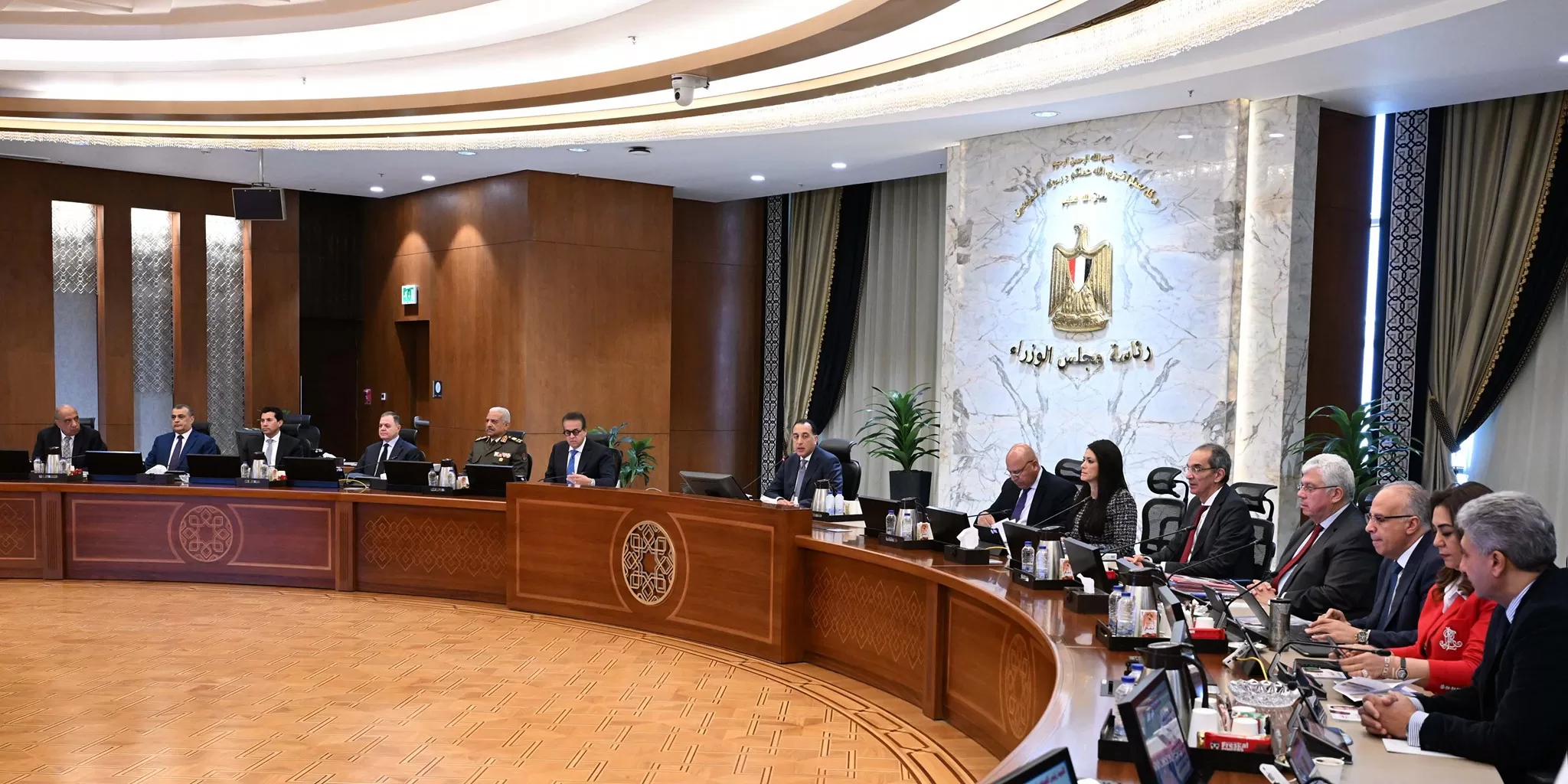
The Cabinet, approved during its weekly meeting on Wednesday the completion of all procedures required to resolve disputes and settle outstanding dues related to the Cotton Palace building in Alexandria.
The decision comes as part of ongoing efforts to maximize the use of state assets and unlock the significant investment potential of idle or underutilized properties by addressing related challenges, rehabilitating them, and reassessing their value to generate greater returns through partnerships with the private sector.
The Cabinet also approved a request submitted by the Transport Ministry, allowing the Egyptian National Railways to invest 15 land plots it owns, totaling 73,200 square meters, across the governorates of Ismailia, Minya, Sohag, Suez, Alexandria, Gharbia, Assiut, and Daqahlia. The plots will be disposed of through a land-share sale system as part of the ministry’s plan to enhance the authority’s ability to capitalize on its non-operational assets to support the development of the railway sector.
Additionally, the Cabinet approved the minutes of the Higher Committee for Compensation sessions Nos. 96, 97, 98 and 99 held on November 10, 2025, concerning compensation mechanisms in public works, supply, and service contracts.
The Cabinet further approved amendments to Prime Ministerial Decree No. 104 of 2023, issued in accordance with Article 11 of the Investment Law, concerning the classification of sub-sectors within investment Zones (A) and (B). The amendments add several industrial sub-sectors.
Under the changes, Zone (A) now includes: all types of vehicles, concentrated sulfuric acid, fruit and vegetable concentrates and purées, motor and electric engine manufacturing, refrigerator evaporators, sheet metal for electrical and electronic appliances, cooling compressors, and pipe and tube manufacturing.
Zone (B) now includes: all types of vehicles, concentrated sulfuric acid, fruit and vegetable concentrates and purées, and refrigerator evaporators.
These approvals support Egypt’s drive to attract more local and foreign investment by expanding the range of industrial and production sectors eligible for incentives under the Investment Law. The amendments introduce new sub-sectors and broaden the scope of activities benefiting from facilitations, aligning with the state’s priority to strengthen key industrial fields during this period.

