




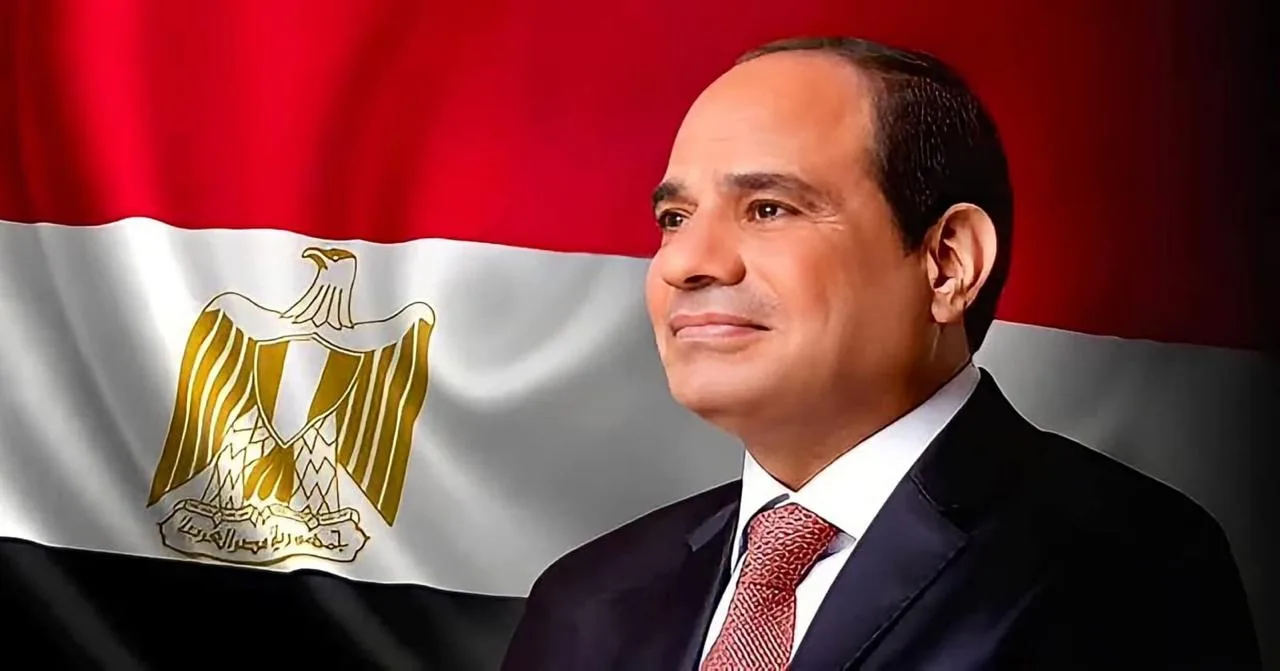




FOREIGN Minister Badr Abdel-Aati presented to President Abdel Fattah El Sisi on Monday two publications detailing Egypt’s foreign policy milestones and presidential diplomacy from 2014 to 2024.
These works – the first white papers issued by the Ministry of Foreign Affairs since the 1980s – offer a comprehensive account of Egypt’s external engagements and strategic positioning over the past decade.
The first volume meticulously documents 181 presidential visits to 62 countries, including historic first-time visits to several countries across Africa, Asia, and Latin America.
The book highlights 87 official bilateral visits, 82 multilateral summits, and 12 state visits, underscoring Egypt’s reassertion on the global stage through proactive summit diplomacy, the Foreign Ministry said in a statement.The visits reflect a strategic approach to foreign policy, reinforcing Egypt’s influence in international decision-making, promoting regional peace and security, and strengthening economic and political ties.
A significant portion of these visits focused on the Arab region (70 visits) and the African continent (37 visits to 20 countries), demonstrating Egypt’s deep regional commitments.This publication not only records official engagements but also frames them within a broader strategy to safeguard national interests, elevate Egypt’s international standing, and shield the country from regional and global polarization.The second volume outlines the core principles and achievements of Egypt’s foreign policy under the leadership of President Sisi, centered on the doctrine of “strategic balance.”
This approach emphasizes the pursuit of national interests through diversified partnerships, non-alignment, respect for sovereignty, and commitment to international law and the UN Charter.The publication reviews Egypt’s diplomatic efforts in addressing regional crises – in Libya, the Sudan, Yemen, and the eastern Arab world – alongside reinvigorating Egypt’s role in Africa through development cooperation, security partnerships, and multilateral engagement.Special focus is given to Egypt’s steadfast support for the Palestinian cause, particularly following the Israeli aggression on Gaza, and its efforts to revive momentum for the two-state solution and mobilize regional and international support for peace and reconstruction.Internationally, the book highlights Egypt’s contribution to global discourse on emerging challenges such as climate change, terrorism, cyber-security, and AI governance, as well as the expansion of strategic partnerships across all continents. Egypt’s accession to the BRICS group is featured as a key milestone in its evolving global role.

