









World food commodity prices rose for a second consecutive month in March, driven largely by increasing energy costs linked to the escalating conflict in the Middle East, the UN’s Food and Agriculture Organisation reported.
The latest FAO benchmark index, tracking monthly changes in the international prices of a basket of globally traded food commodities, rose 1% from a year ago, highlighting how geopolitical tensions are pushing up production and transportation expenses, adding renewed pressure on global food markets. Prices were up 2.4% from a month earlier.
Price surges have been relatively contained compared with after the start of the Ukraine war in 2022 because markets remain well-supplied following strong harvests in major growing regions, said David Laborde, the FAO agrifood economics director.
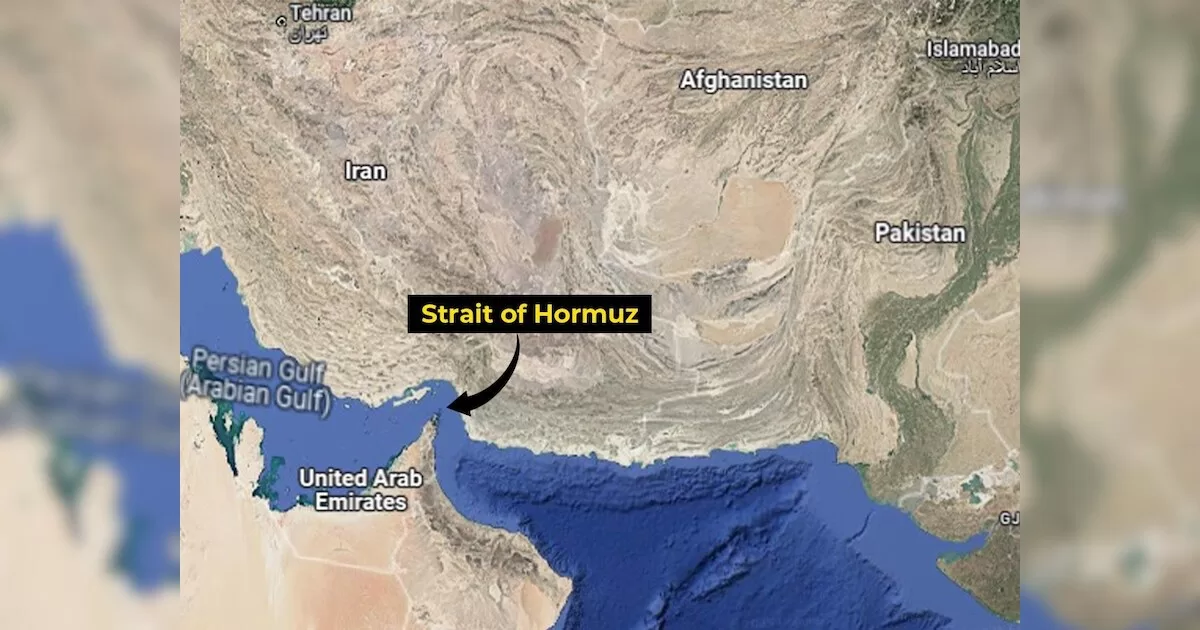
With a large portion of the world’s fuel and fertiliser moving through the Strait of Hormuz, he noted that a long-term closure will force farmers to make difficult planting decisions.
That will affect the cost of producing the next harvest, as well as yields.

