











In today’s fast-moving digital landscape, first impressions are made in seconds. Whether it’s a local café launching delivery services, a young entrepreneur opening an online fashion store, or a startup entering a crowded market, branding has become one of the most powerful tools for standing out. Consumers are constantly exposed to new businesses, advertisements, and social media campaigns, making visual identity more important than ever before.
A strong logo is often the first thing people remember about a brand. It communicates professionalism, personality, and trust before a customer even reads a single sentence. That’s why many small businesses and creators are now turning to accessible design platforms to build a polished identity quickly. Tools that simplify branding including services that help generate an AI logo are changing the way entrepreneurs approach design, especially when budgets and time are limited.
The New Era of Branding
Not long ago, building a professional brand identity required hiring expensive agencies or freelance designers. While custom design still holds value, the modern business environment has shifted dramatically. Small businesses, independent creators, and side hustlers need flexible and affordable solutions that allow them to move fast without sacrificing quality.
This change has been especially visible across emerging markets and rapidly growing digital economies. Young entrepreneurs are launching businesses through Instagram pages, online marketplaces, and personal websites. In many cases, these businesses begin with limited resources but ambitious goals.
Visual branding is no longer optional. A recognizable logo, a clean color palette, and consistent imagery can influence how customers perceive a business from the very beginning. Studies consistently show that consumers trust brands with professional visuals more than those with inconsistent or outdated design.
Why Logos Still Matter
Some people assume logos are less important in the age of short-form content and algorithm-driven feeds. In reality, the opposite is true. Because audiences scroll quickly, visual recognition has become even more valuable.
Think about global brands that can be identified instantly by a symbol alone. That recognition creates familiarity, and familiarity builds trust. Even for smaller companies, a memorable logo can make marketing efforts far more effective.
A good logo should do several things at once:
- Reflect the brand’s personality
- Be easy to recognize
- Work across multiple platforms
- Remain visually clear at different sizes
- Feel timeless rather than trendy
The challenge for many entrepreneurs is balancing creativity with simplicity. Overcomplicated designs often fail because they become difficult to remember or reproduce.
Small Businesses Are Competing on a Global Stage
One of the biggest changes brought by digital commerce is that local businesses are no longer competing only with nearby stores. A small handmade jewelry shop, for example, may now compete with international brands through online marketplaces and social platforms.
This reality has pushed branding higher on the priority list.
Consumers often judge credibility within moments. A poorly designed logo or inconsistent visual identity can unintentionally signal that a business lacks professionalism even if the products themselves are excellent.
On the other hand, strong branding creates confidence. It gives businesses a polished presence that helps customers feel more comfortable making purchases or engaging with the company online.
The Rise of DIY Creativity
Modern design tools have empowered people who have little or no formal design training. Entrepreneurs can now experiment with typography, icons, colors, and layouts without needing advanced technical skills.
This accessibility has opened doors for countless creators. A student starting a side business, a local bakery expanding online, or a freelance photographer building a personal brand can now create high-quality visuals much faster than before.
Of course, tools alone do not guarantee great branding. The best results still come from understanding your audience and having a clear message.
Before designing a logo or choosing brand colors, it helps to answer a few important questions:
- What emotions should the brand evoke?
- Who is the ideal customer?
- What makes the business different?
- Should the brand feel modern, luxurious, playful, or traditional?
The answers shape every visual decision that follows.
Branding Beyond the Logo
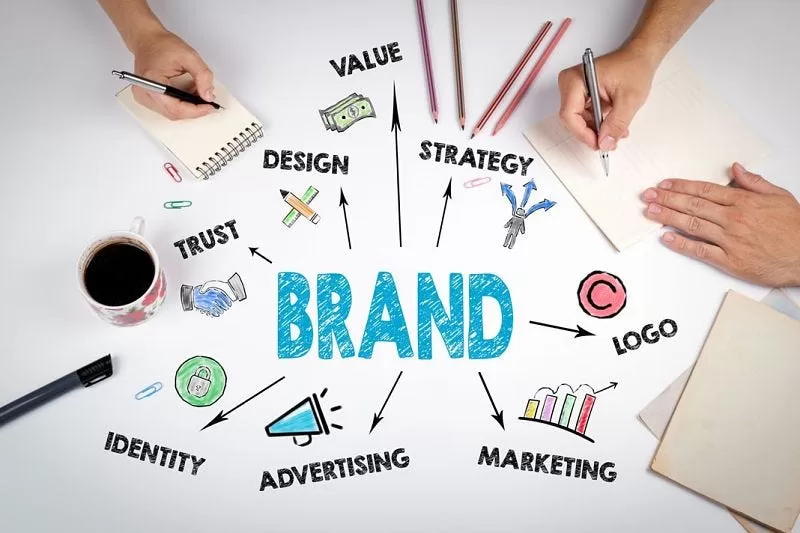
Although logos are essential, branding goes much deeper than a single image. Customers notice the entire experience surrounding a company.
This includes:
- Website design
- Social media visuals
- Product packaging
- Typography
- Photography style
- Customer communication
- Advertising tone
Consistency across these elements creates a cohesive identity that customers remember.
For example, a modern café with elegant branding but cluttered social media posts creates a disconnect. Meanwhile, businesses that maintain visual consistency often appear more established and trustworthy.
Real-World Success Stories
Many successful businesses started with simple branding decisions that evolved over time.
A small skincare brand might begin with minimal packaging and a straightforward logo but gradually build a recognizable identity through consistent visuals and storytelling. A freelance creator may start with basic designs but refine their branding as their audience grows.
The key lesson is that branding doesn’t need to be perfect from day one. What matters most is clarity, consistency, and authenticity.
Audiences connect with brands that feel genuine. People are increasingly drawn to businesses with personality, transparency, and relatable stories rather than overly corporate messaging.
Practical Tips for Building a Strong Brand Identity
For entrepreneurs and creators looking to strengthen their branding, a few practical strategies can make a major difference:
Keep It Simple
Simple logos are often more memorable and versatile. Avoid overcrowding designs with too many details or colors.
Focus on Readability
Your branding should work across websites, mobile screens, social media profiles, and printed materials.
Choose Colors Carefully
Colors influence perception. Blue often communicates trust, while green suggests freshness or sustainability. Neutral palettes can create a premium feel.
Think Long-Term
Trendy designs may look outdated quickly. Timeless branding usually ages better and requires fewer redesigns.
Be Consistent
Use the same fonts, colors, and tone across all customer touchpoints.
The Future of Visual Branding
As technology continues evolving, branding will likely become even more personalized and interactive. Businesses are already experimenting with motion graphics, animated logos, and adaptive branding systems designed for digital platforms.
At the same time, audiences are becoming more visually sophisticated. Consumers notice details, and they expect businesses to present themselves professionally online.
For entrepreneurs, creators, and small businesses, investing time in branding is no longer just about aesthetics. It’s about communication, trust, and long-term growth.
Conclusion
Strong branding has become one of the defining factors behind modern business success. In an environment where attention spans are short and competition is everywhere, visual identity helps brands create memorable connections with audiences.
The good news is that professional branding is more accessible than ever before. With the right strategy, thoughtful design choices, and a clear understanding of audience expectations, even small businesses can build a strong and recognizable presence online.
At its core, great branding isn’t about looking flashy. It’s about creating something people remember, trust, and feel connected to over time.

