


Moustafa Allam
Increasingly, Egypt has recognized that a strong private sector is crucial for economic stability. In response, the government has introduced competitive incentives aimed at improving the business climate and encouraging investment,contributing to a more positive performance across non-oil private industries.
Growing for the second consecutive month in December, Egypt’s non-oil private sector has closed 2025 on a positive note. Although the expansion slowed slightly compared to November, it still points to a stabilizing economy supported by rising demand and a slight increase in production.
The S&P Global Purchasing Managers’ Index (PMI) went down to 50.2 in December compared to 51.1 in November, the highest since 2020. However, remaining above the 50-point indicates that business activity continues to expand, even if at a moderated pace.
Combined with October and November, December data present the strongest quarterly performance for the private non-oil sector since the last quarter of 2020. It reflects the government measures that have restored investor confidence and improved market conditions.
Over the past decade, the state has backed the private sector, realizing that coordination between the public and private sectors is essential for sustaining economic growth. It opened up new spheres which enabled the private sector to compete locally, regionally, and internationally. It had impacted positive impact on the Egyptian market position and created new job vacancies.
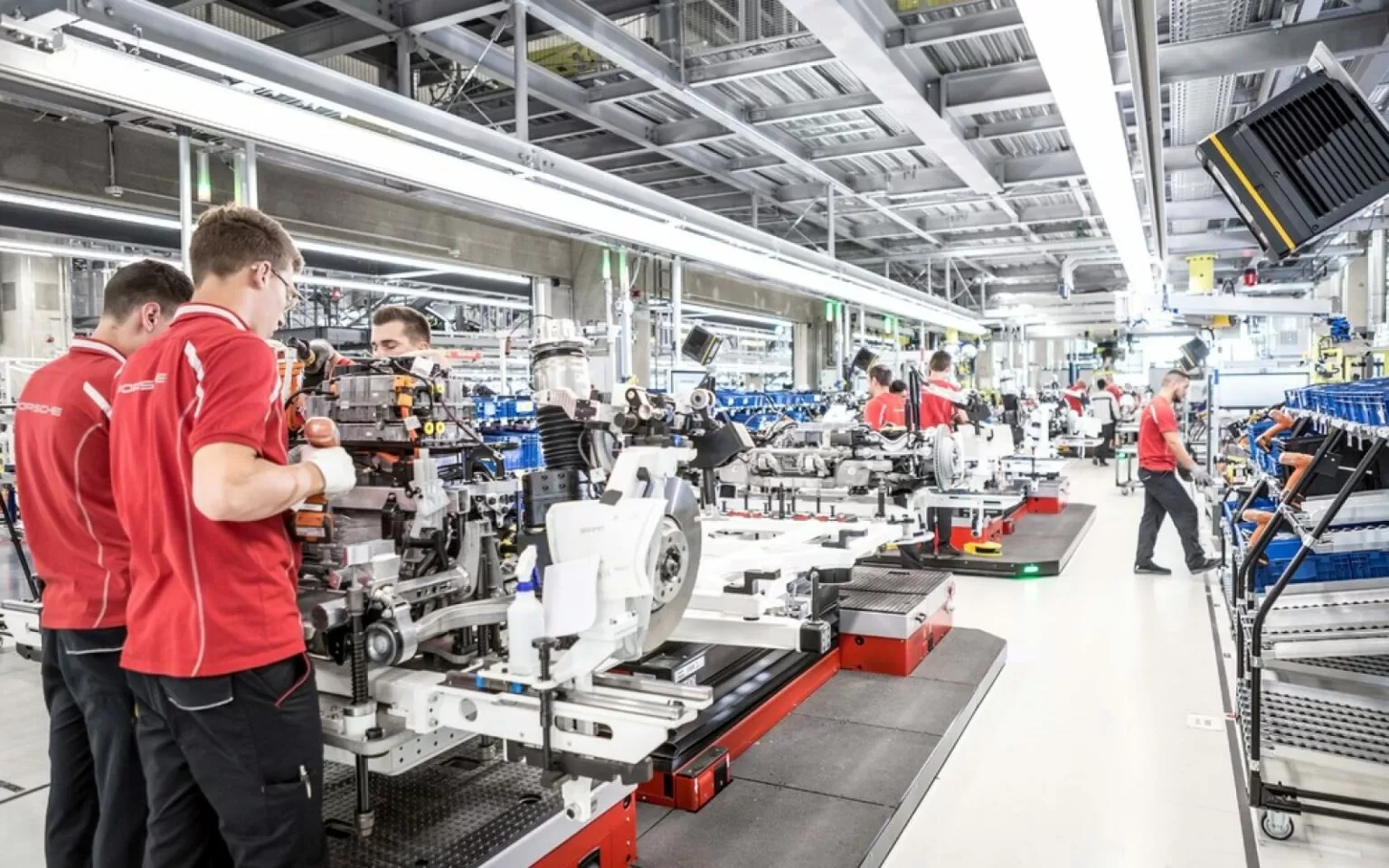
The rise in new sales and orders is a main factor in this growth. Consequently, companies slightly increased production, especially in the building and manufacturing sectors.
Yet, retailing has not simultaneously increased. Such an increase in orders means that customers are spending more, and the market is demanding more, giving businesses the confidence to keep going and make plans for the future.
In comparison to long-term averages, cost pressures remained relatively low. Due to little increases in fuel, cement, and wages, only slight rises in average selling prices. Lower inflation and controlled input costs allowed firms and consumers to spend with greater confidence.
The private sector is slowly growing due to rising demand, stable costs, and backing policies. This growth is greatly seen in manufacturing and construction, as well as early indications of restored purchasing activity, which imply a controlled and sustained recovery.
The private sector is really promising at the close of 2025, setting the stage for a potentially stronger 2026.

