


Every year, as International Women’s Day approaches, the success stories of inspiring women come into focus. These stories are not only a reason to celebrate their achievements, but also an opportunity to learn from the lessons they have gained throughout their careers. Many successes do not follow a clear plan from the start; they are shaped over time through unexpected decisions, early experiences, and sometimes a single moment of chance that changes the course of life entirely.
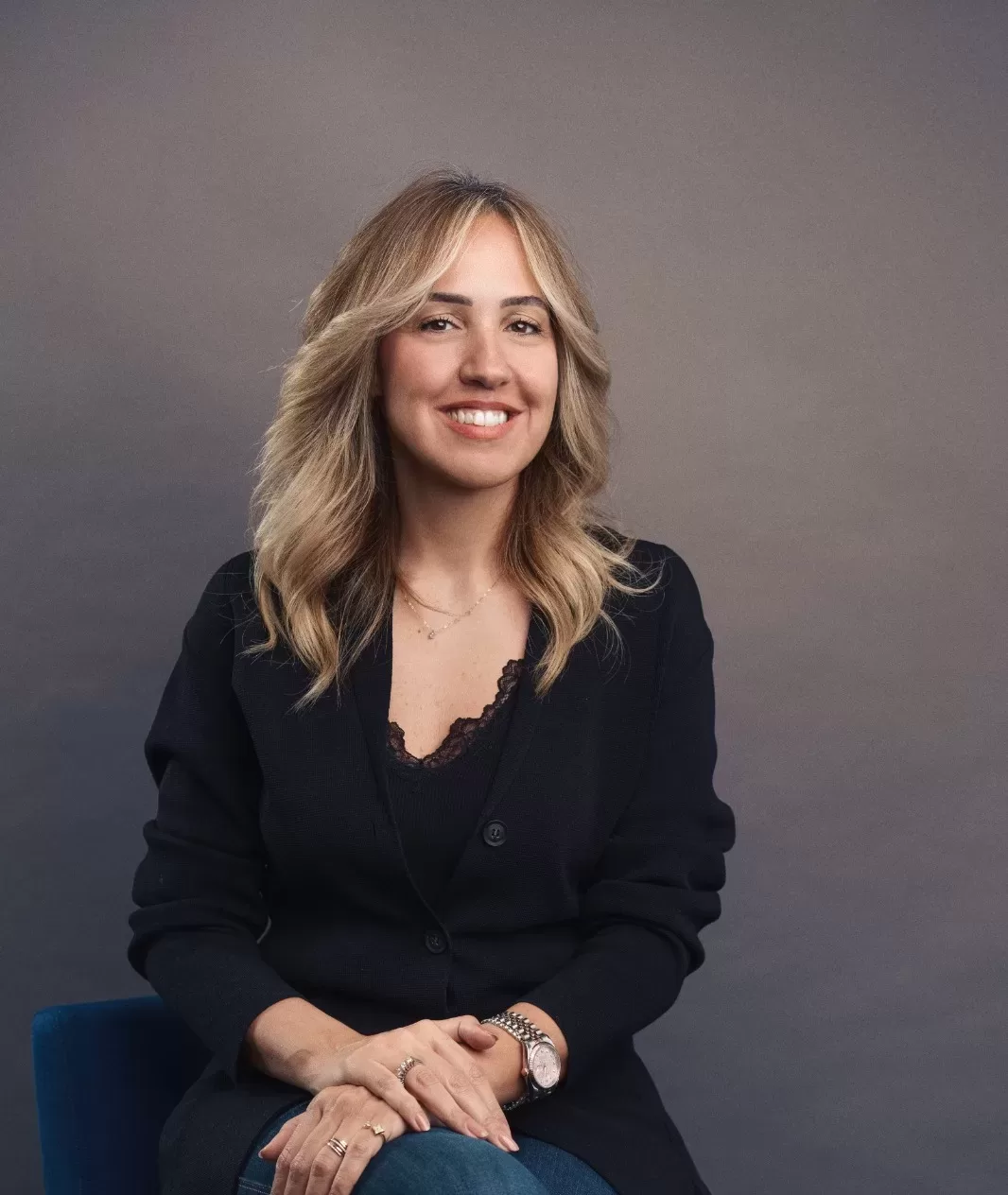
This truth is vividly reflected in the career of Malak El Baba, who today serves as Country Manager for Visa’s market cluster in Egypt, Libya, and Sudan. Her appointment marks the culmination of a professional journey that began in a completely different direction, combining personal curiosity, professional flexibility, and a capacity for innovation, establishing her as one of the region’s leading female executives.
Early career ambitions had not initially been connected to the financial sector. Growing up in Lebanon, an interest in storytelling and creative expression had led to aspirations of becoming a film director, inspired by the work of renowned filmmaker Youssef Chahine. Academic studies were later pursued in Diplomatic and Consular Services and Development Studies, with the expectation that a career in international affairs would eventually follow.
Chance played a pivotal role in her next step. A simple administrative mix-up led to an unexpected shift in direction. When El Baba and her sister submitted their CVs through a recruitment agency after graduation, the applications were mistakenly switched. As a result, interviews from banks were directed to El Baba, while her sister was contacted for opportunities within the non-governmental sector.
What had initially been viewed as a temporary professional step gradually developed into a long-term career path. A decade was spent working within Lebanon’s banking sector, where experience was built across communications and strategic engagement functions.
During her years in Egypt, El Baba successfully led Visa through the launch of multiple new products and strategic partnerships, strengthening the company’s market position. These accomplishments were key in expanding her responsibilities to oversee Visa’s strategy, business development, and operational execution across Egypt, Libya, and Sudan, establishing her today as a leading female executive capable of combining strategic vision with tangible results.
El Baba’s journey reminds us that career paths do not always follow a planned route. Adapting to new opportunities, maintaining curiosity, and committing to continuous learning are often what make the real difference. This flexibility, coupled with innovative leadership, has placed her in a position to influence a broad market and deliver cutting-edge digital financial solutions to millions of customers.
El Baba’s professional trajectory reflects broader trends shaping women’s participation in Egypt’s workforce. According to the study “The Egyptian Labor Market: A Focus on Women’s Economic Participation”, women continue to face structural barriers to employment despite representing nearly half of the population.The study indicates that employment patterns among women have been shifting, with the share of women working in informal private employment rising from approximately 23 percentin 2009 to more than 40 percentin recent years.
Data from the World Bank Group shows that by 2025, women represented only 20.6 percent of Egypt’s total labor force, underscoring ongoing underrepresentation and the potential for growth in female economic engagement. Against this backdrop, the increasing presence of women in leadership roles across sectors such as finance, technology, and digital payments signals gradual progress toward greater economic inclusion and a more balanced workforce.
Every year, as International Women’s Day approaches, the success stories of inspiring women come into focus. These stories are not only a reason to celebrate their achievements, but also an opportunity to learn from the lessons they have gained throughout their careers. Many successes do not follow a clear plan from the start; they are shaped over time through unexpected decisions, early experiences, and sometimes a single moment of chance that changes the course of life entirely.
This truth is vividly reflected in the career of Malak El Baba, who today serves as Country Manager for Visa’s market cluster in Egypt, Libya, and Sudan. Her appointment marks the culmination of a professional journey that began in a completely different direction, combining personal curiosity, professional flexibility, and a capacity for innovation, establishing her as one of the region’s leading female executives.
Early career ambitions had not initially been connected to the financial sector.
Growing up in Lebanon, an interest in storytelling and creative expression had led to aspirations of becoming a film director, inspired by the work of renowned filmmaker Youssef Chahine. Academic studies were later pursued in Diplomatic and Consular Services and Development Studies, with the expectation that a career in international affairs would eventually follow.
Chance played a pivotal role in her next step. A simple administrative mix-up led to an unexpected shift in direction. When El Baba and her sister submitted their CVs through a recruitment agency after graduation, the applications were mistakenly switched. As a result, interviews from banks were directed to El Baba, while her sister was contacted for opportunities within the non-governmental sector.
What had initially been viewed as a temporary professional step gradually developed into a long-term career path. A decade was spent working within Lebanon’s banking sector, where experience was built across communications and strategic engagement functions.
During her years in Egypt, El Baba successfully led Visa through the launch of multiple new products and strategic partnerships, strengthening the company’s market position. These accomplishments were key in expanding her responsibilities to oversee Visa’s strategy, business development, and operational execution across Egypt, Libya, and Sudan, establishing her today as a leading female executive capable of combining strategic vision with tangible results.
El Baba’s journey reminds us that career paths do not always follow a planned route. Adapting to new opportunities, maintaining curiosity, and committing to continuous learning are often what make the real difference. This flexibility, coupled with innovative leadership, has placed her in a position to influence a broad market and deliver cutting-edge digital financial solutions to millions of customers.
El Baba’s professional trajectory reflects broader trends shaping women’s participation in Egypt’s workforce. According to the study “The Egyptian Labor Market: A Focus on Women’s Economic Participation”, women continue to face structural barriers to employment despite representing nearly half of the population.The study indicates that employment patterns among women have been shifting, with the share of women working in informal private employment rising from approximately 23 percent in 2009 to more than 40 percent in recent years.
Data from the World Bank Group shows that by 2025, women represented only 20.6 percent of Egypt’s total labor force, underscoring ongoing under-representation and the potential for growth in female economic engagement. Against this backdrop, the increasing presence of women in leadership roles across sectors such as finance, technology, and digital payments signals gradual progress toward greater economic inclusion and a more balanced workforce.

