



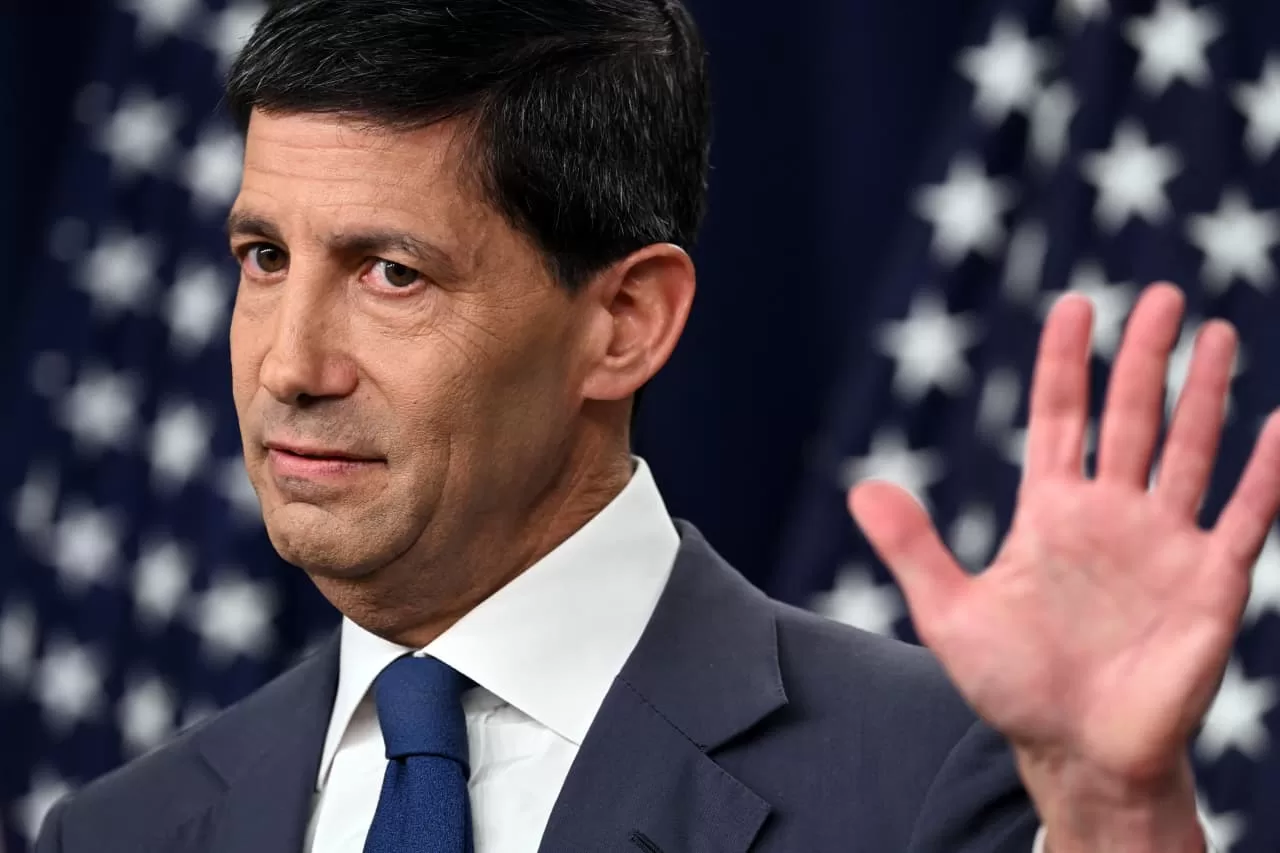
Federal Reserve Chairman Kevin Warsh’s emphatic declarations that inflation would be brought down without signalling a readiness to raise interest rates triggered a sharp selloff in bonds that may force a hard choice: defying President Donald Trump’s desire for easier monetary policy or battling a growing cadre of fellow US central bankers determined to tighten it.
Complicating matters was Warsh’s hint that he may try to switch up the Fed’s yardstick for successfully containing inflation, for years defined as a 2% year-over-year rise in the Personal Consumption Expenditures Price Index.
“That’s our number, we’re sticking with it,” Warsh said in a press conference after the end of a two-day policy meeting, before adding, “Who knows, come after next January, what we might say about strategy.
I suspect the task forces might have something to add.
“Warsh handpicked 15 outside experts in May to deliver recommendations by the end of 2026 on the Fed’s conduct of monetary policy, including its inflation framework.
Warsh said on Wednesday he will check in with them in the next couple of weeks and may share any thoughts that are “ready for prime time” at the Fed’s global central bankers’ conference in Jackson Hole, Wyoming.
Past Fed chiefs have used that late-August meeting to prefigure what the central bank may do at its meetings in September.
Warsh has so far stuck to his promise to provide no guidance on the Fed’s likely rate path.
The combination of Warsh’s repeated assertions of the need to tame inflation with no action to move it toward the 2% target and a hint that the goalposts themselves may change helped send 30-year Treasury yields above 5.2% on Wednesday, a 19-year high. They extended their rise on Thursday.

