


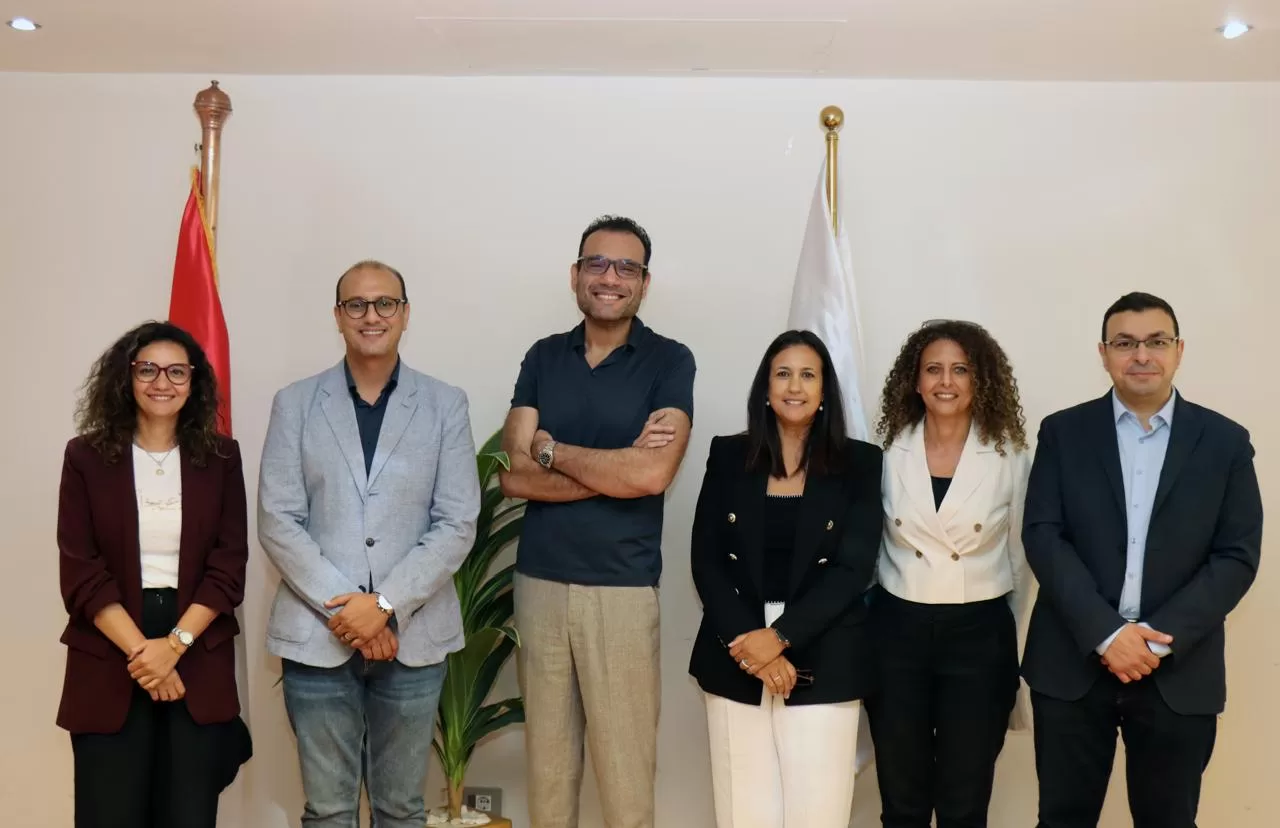
The Egyptian Food Bank (EFB) has announced the launch of its inaugural Scientific Advisory Committee. This new body aims to strengthen the EFB’s programmes and enhance their impact on vulnerable communities.
As the region’s leading development institution specialising in providing safe and healthy food to those in need, the EFB stated that the committee will help ensure its decisions and initiatives are guided by scientific evidence and accurate data.
The committee forms part of a broader strategy to create a comprehensive and sustainable development model that tackles the root causes of food insecurity.
This model is built on four core pillars: protection, prevention, empowerment, and advancement, which guide the EFB’s innovative and systematic approach to supporting families and communities.
Mohsen Sarhan, CEO of the EFB, has said the initiative marks a “pivotal step” in establishing a culture of evidence-based work. He stressed that the Food Bank’s mission goes beyond simply providing food to developing programmes rooted in research and scientific insights to improve sustainability and performance.
Sarhan added that the growing challenges of food insecurity require innovative solutions and broad cooperation, which the committee aims to deliver through its network of experts and specialists.
The EFB stated that the committee’s remit will be to analyse and assess the genuine needs of target communities, develop and enhance programmes, conduct studies to improve the quality and efficiency of food services, and evaluate the social and economic impact of its initiatives.
Additionally, the committee will collaborate with local and international research institutions, publish its findings in scientific forums, and uphold research ethics. This includes ensuring informed consent, protecting privacy, and transparently reporting all results.
By grounding its work in scientific research and ethical practices, the Food Bank aims to improve the quality of life for the most vulnerable people and set a new standard for sustainable development in the fight against hunger.

