


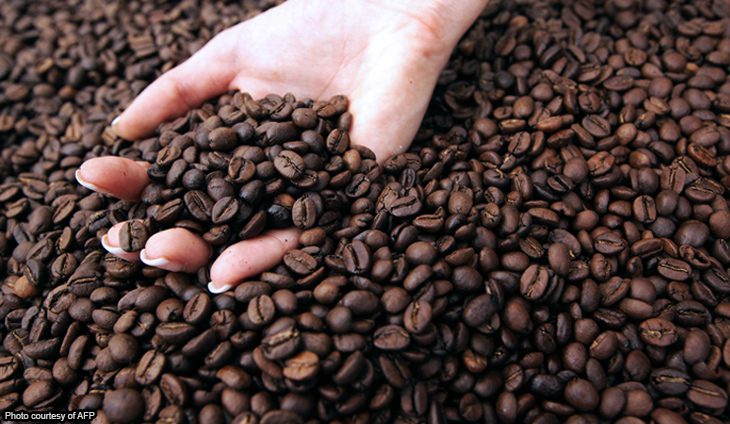
LONDON — Coffee prices surged this week to multi-year peaks, extending stellar gains this year after frost damaged crops in the world’s biggest producer Brazil.
The futures price for arabica coffee, one of the South American nation’s top commodity exports, soared Friday to just over $2 a pound, the highest level since 2014.
The commodity has rocketed by a blistering 60 per cent since January.
Lower quality robusta coffee, mainly grown in Asia, leapt to an October 2017 peak of $1,993 per tonne, capping a near 40-per cent gain so far this year.
“Several reasons explain the astronomical gains for coffee prices,” Rabobank analyst Carlos Mera told AFP, citing mainly the devastating weather conditions in Brazil.
Mera also blamed soaring transportation costs and political unrest in number-three producer, Colombia.
Brazil suffered a historic drought earlier this year.
That was followed by damaging frosts this week at key plantations in Minas Gerais – a south-eastern inland state that produces 70 per cent of the nation’s arabica beans. Sub-zero temperatures have “sparked defoliation of crops and even kill the youngest plants” that are crucial for future harvests, Mera said.
Arabica has also been heavily impacted because the crop has a biennial plant cycle, whereby low-yield production one year is followed by bumper output the following year.
The market rallied “on freezing temperatures in Brazil growing areas last night”, added Price Futures Group analyst Jack Scoville recently.
“Freezing temperatures were reported in much of Minas Gerais and Parana and also in Sao Paulo.
“It is not yet known how extensive the damage was but… a significant part of the crop got hurt.
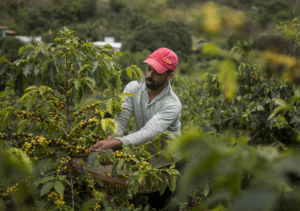
“It is flowering time for the next crop and the flowers were frozen and will drop off the trees,” he added, noting, however, that the weather was now turning warmer.
At the same time, world coffee demand is picking up this year as global economies reopen from the deadly coronavirus turmoil. That has stimulated demand for arabica which tends to be used in coffee shops and restaurants, unlike the lower grade robusta favoured for making instant coffee granules.
While conditions are ripe for high prices, commodity economist Philippe Chalmin explained that the cost of coffee has been particularly low in recent years, pointing out that a pound of arabica cost more than $3 in May 2011.
“Coffee producers have experienced a very long price crisis,” Valeria Rodriguez, Head of Advocacy & Public Engagement at the fair trade association Max Havelaar, told AFP.
“In the last four or five years, most of them have been working at a loss,” she told AFP.
“If the crop is smaller, it means that there are coffee producers somewhere in Brazil who will have no coffee to sell, and therefore no income,” she warned.


Discussion about this post