


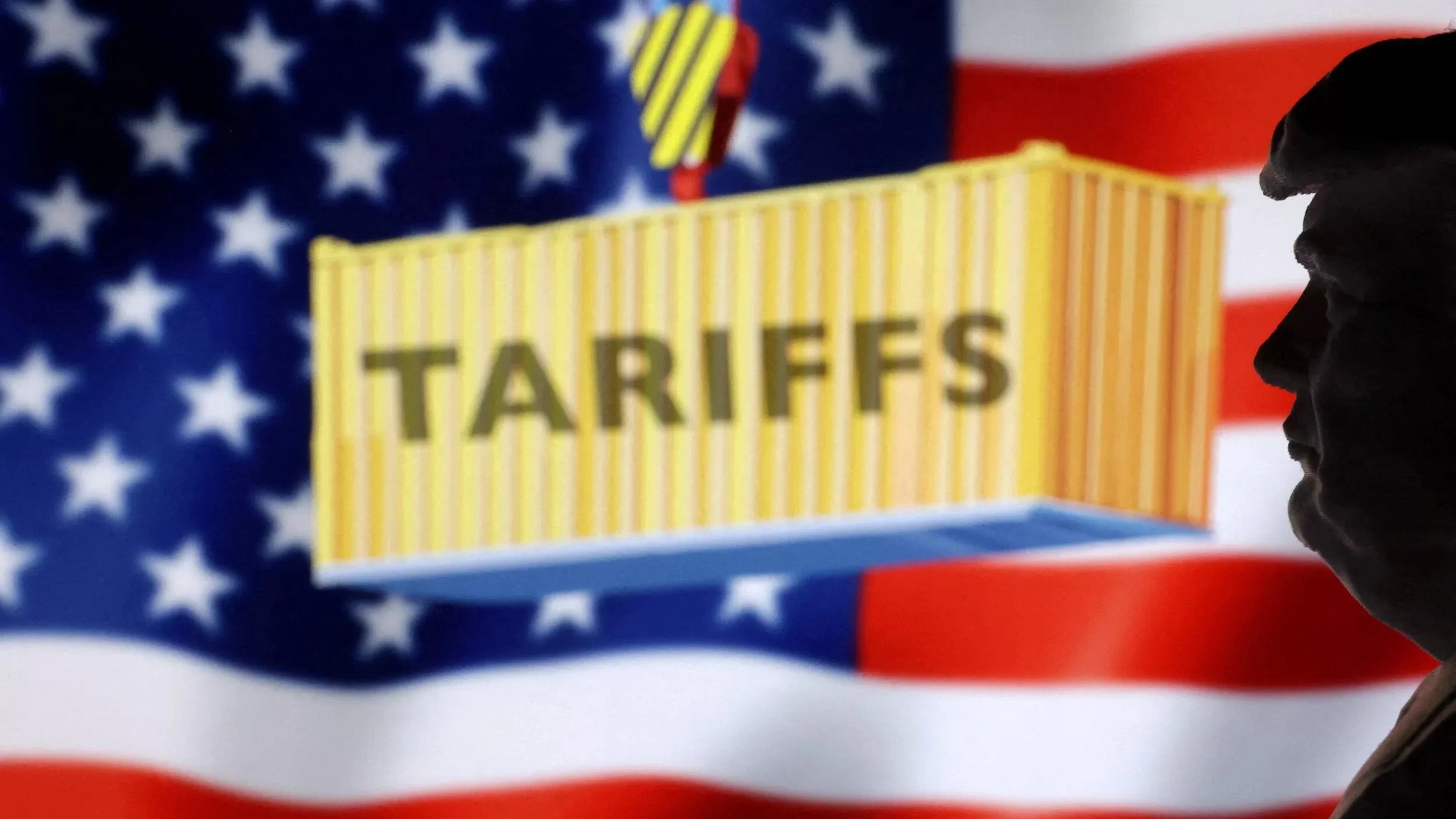
Beijing on Friday increased its tariffs on US imports to 125%, hitting back against US President Donald Trump’s decision to hike duties on Chinese goods to 145% and raising the stakes in a trade war that threatens to up-end global supply chains.
China’s retaliation intensified the economic turmoil unleashed by Trump’s tariffs, with markets tumbling further and foreign leaders puzzling how to respond to the biggest disruption to the world trade order in decades.
The brief reprieve for battered stocks seen after Trump decided to pause duties for dozens of countries for 90 days quickly dissipated, as attention returned to the escalating trade conflict between the U.S. and China that has fuelled global recession fears.
Global stocks fell, the dollar slid and a sell-off in U.S. government bonds picked up pace on Friday, reigniting fears of fragility in the world’s biggest bond market. Gold, a safe haven for investors in times of crisis, scaled a record high.
“Recession risk is much, much higher now than it was a couple weeks ago,” said Adam Hetts, global head of multi-asset at Janus Henderson.
Asian indices mostly followed Wall Street lower on Friday.
In Europe, China’s latest tariff hike sent stocks lower, leaving the STOXX 600 (.STOXX)
, opens new tab down more than 1% on the day and set for another drop this week. Financial markets are experiencing some of the most volatile trading since the early days of the COVID-19 pandemic.
“There’s clearly an exodus from U.S. assets. A falling currency and bond market is never a good sign,” said Kyle Rodda, senior financial markets analyst at Capital.com. “This goes beyond pricing in a growth slowdown and trade uncertainty.”
U.S. Treasury Secretary Scott Bessent shrugged off the renewed market turmoil on Thursday and said striking deals with other countries would bring certainty.
The U.S. and Vietnam have agreed to begin formal trade talks, the White House said. The Southeast Asian manufacturing hub is prepared to crack down on Chinese goods being shipped to the United States via its territory in the hope of avoiding tariffs.

