







A Key pillar in the national economy and local content enhancement
By Omar Nour El-Din
Photography by Emad Kamal
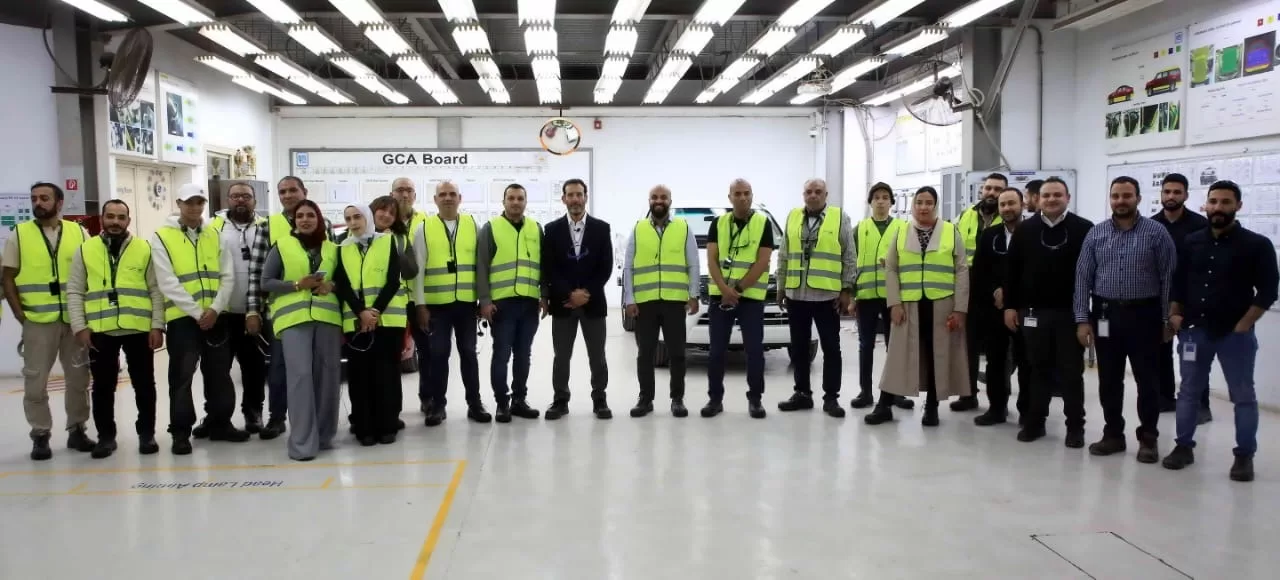
The General Motors Egypt Factory represents one of the most successful examples of heavy industry in Egypt, combining the global expertise of General Motors with the skills of the Egyptian workforce, within a long-term partnership aimed at supporting the national economy and promoting the localization of car manufacturing.
The factory is located in the industrial area of 6th of October City, with its foundation stone laid in 1983, before officially opening in 1985. It was established on a 150,000-square-metre site, around 65% of which is allocated to green spaces, reflecting a commitment to environmental care and sustainable development from the outset.
Operations began with an initial production capacity of 16,000 vehicles per year. With gradual expansion and increasing demand, the factory has become one of the company’s main vehicle assembly centers in the region.
By 1996, the factory celebrated the production of its 100,000th vehicle, a milestone reflecting rapid growth and market confidence. In the same year, the company was awarded as the world’s best Opel manufacturer in terms of quality, further cementing the factory’s status as a production center adhering to the highest technical and operational standards.
Since its inception, the factory has adopted a strict quality system aligned with the global standards of the parent company, placing it among the top 10 factories for quality out of approximately 50 General Motors plants worldwide, achieving Level 4 the highest quality rating within the group.
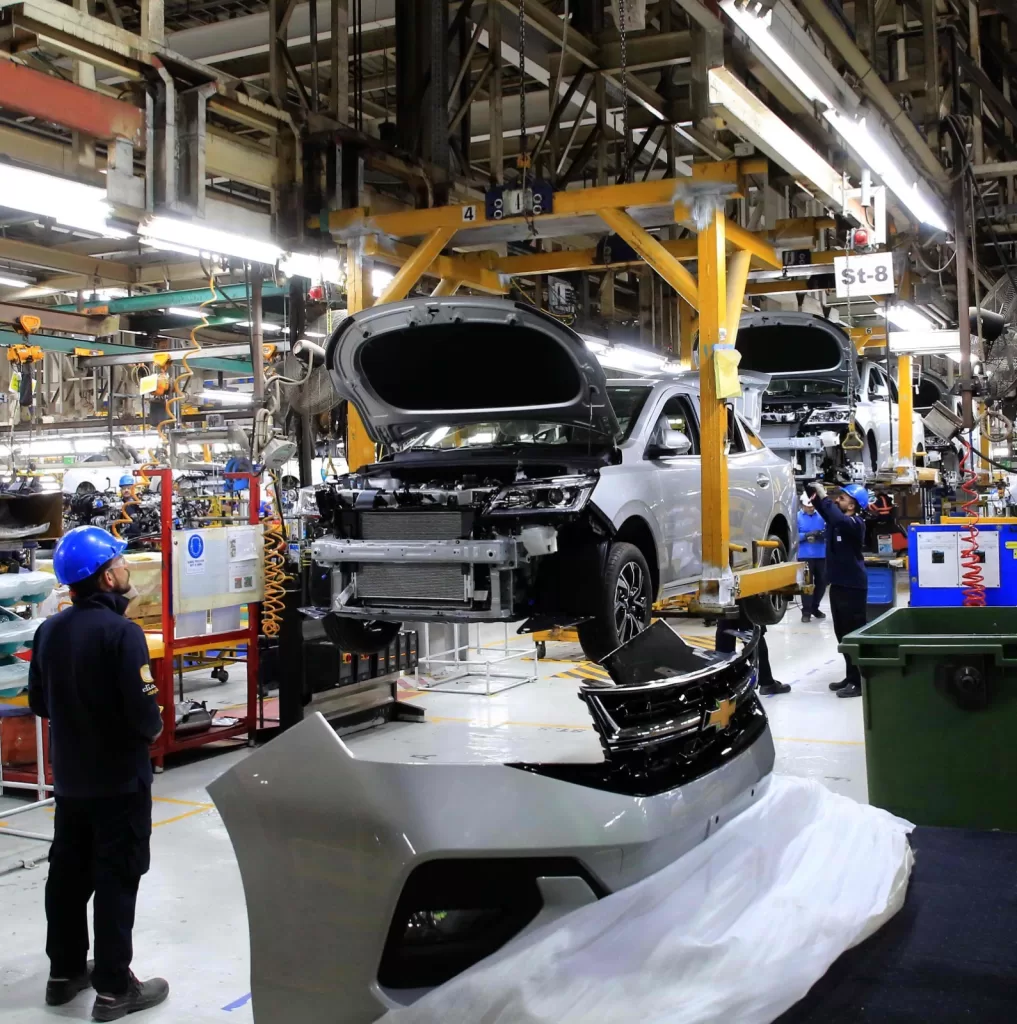
The factory’s investments total around $530 million, directed towards the development of production lines and the upgrading of machinery. General Motors Egypt boasts an integrated infrastructure supporting all production and technical operations. The factory includes a seven-story multi-level warehouse the first of its kind in Egypt allowing efficient inventory management and rapid distribution of components to the production lines. It also features the latest machinery and industrial robots from Fanuc Japan, alongside production lines equipped with cutting-edge technology to ensure the highest levels of precision and quality. This advanced infrastructure has helped raise maximum production capacity to approximately 80,000 vehicles per year and has supported the technical and administrative training programmers for employees to ensure operational efficiency and sustainability.
The factory places great emphasis on its human resources, with over 1,300 employees trained according to the latest technical and administrative programmers to enhance performance and foster a culture of quality.
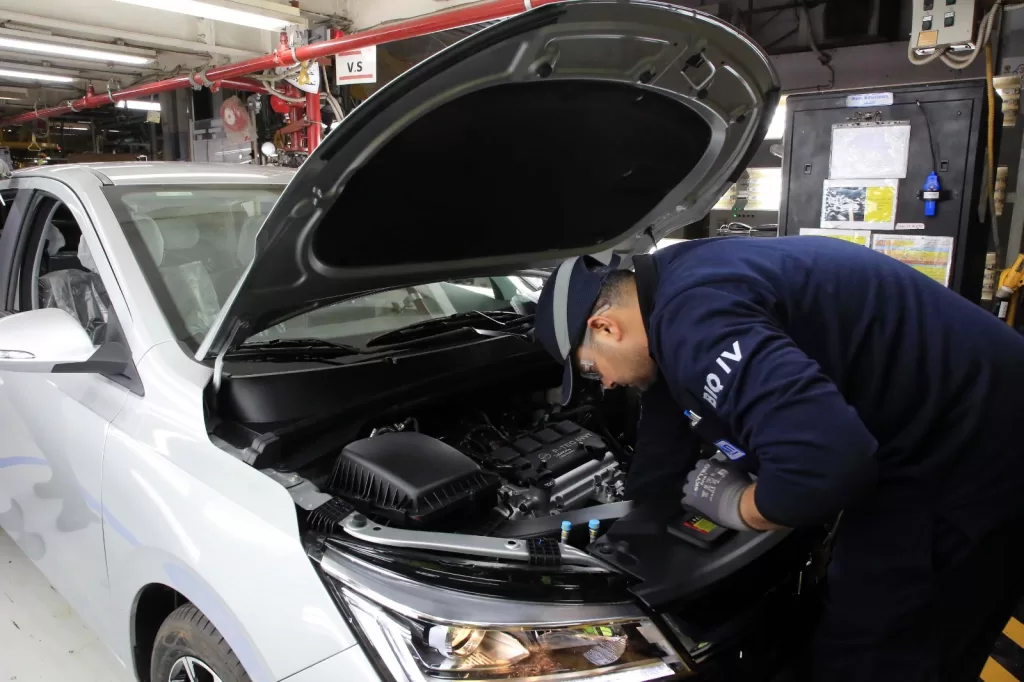
Currently, the factory operates three production lines manufacturing three different types of vehicles:
• RT95 Light Truck with a load capacity of approximately 2.7 tones
• N-Series Jumbo with a load capacity of approximately 5.2 tones
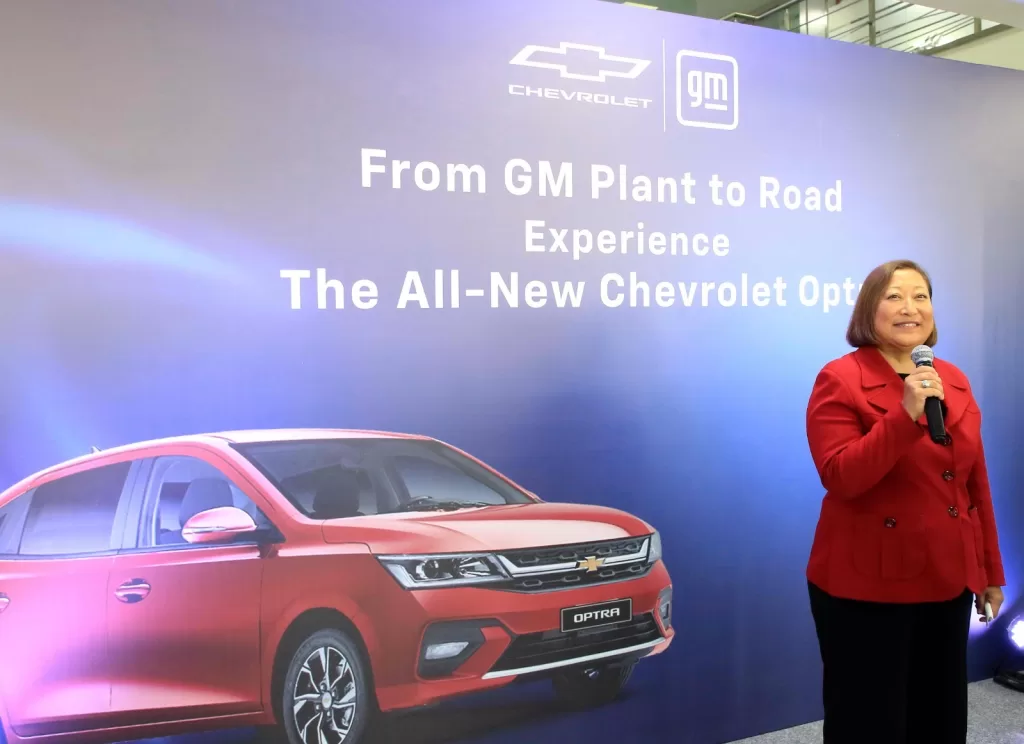
• Optra, with over 6,500 vehicles sold to date, while the body production department alone received investments of EGP 200 million
Furthermore, the factory positively contributes to the Egyptian economy by increasing the proportion of locally produced components, with local content reaching:
• 65% for N-Series trucks
• 60% for RT95 trucks
• 45% for Optra
For the first time, the factory successfully manufactured the complete rear light locally for sedan vehicles after two years of dedicated work, demonstrating the advancement of local engineering and technical capabilities. Additionally, the factory achieved a 100% recycling rate of its industrial waste, aligning with global sustainability trends and reducing environmental impact.
General Motors in brief
General Motors was founded on 16 September 1908 by William C. Durant and is headquartered in Detroit, United States.
It is one of the largest car manufacturers in the world, leading global vehicle sales for 77 consecutive years between 1931 and 2007 a record in the automotive industry. The company owns around 396 facilities across six continents, including factories, distribution centers, and operational offices.
The company’s total assets amounted to approximately $281 billion in 2025, while net profits reached around $6 billion in 2024, after recovering financial stability following restructuring in the wake of the 2009 global economic crisis.
Thus, General Motors Egypt Factory continues to play a fundamental role in the national industrial journey, serving as a successful model of integration between global expertise and Egyptian capabilities, enhancing Egypt’s position as a regional industrial hub in the automotive sector.