












By Sherif Attar
In a world of ever-changing ambiguity and uncertainty, executives have to face two challenges: excellent performance and people development. Where many managers think those endeavours are “competing”, this author believes they are “completing”. GET DOWN TO BUSINESS argues.
Selling as consulting
By Rob Jolles, author and business consultant
See if this scenario sounds familiar: There you are, ready to make a purchase. The salesperson has had some difficulty listening and asking questions. Occasionally, you were even able to interrupt the salesperson’s dissertation about aspects of the product you are mildly interested in, in order to ask a question or state a need. Finally, the solution is presented. It comes down to a choice between product “A”, “B” or “C,” and you make the fatal mistake of asking for a recommendation. See if this exchange below sounds familiar:
Seller: “… and it does this and it does that.”
Customer: “That looks great, and something need. Which would you recommend?”
Seller: “Oh, sorry, can’t do that.”
Customer: “Why not?”
Seller: “We’re not allowed to.”
Customer: “WHY THE %*&# NOT!”
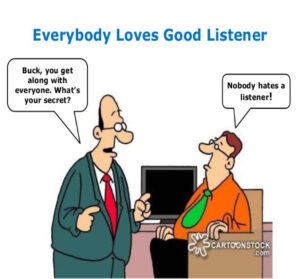
Often, when the customer should be speaking, the salesperson will not stop talking. When the salesperson finally should be speaking, they won’t start talking. Often times, an opinion is exactly what the customer is paying you for, so, for goodness sake, be opinionated.
My personal opinion is that there is a definite time for salesperson opinions! When we do things the right way, such as work hard to lead with questions, and help the customer through his decision for change, the customer is often looking for an opinion. We should be offering those opinions! I’ve actually figured out ways to trick salespeople who won’t offer an opinion on a product I’m looking to buy. I’ll ask them, “If this was for you, or a family member, which would you choose,” and an opinion emerges right away. I’ve actually used this “trick” recently, and when the salesperson blurted out a response, he placed his hand over his mouth as if he had done something wrong! I told him; “Fine; that’s the one I’m buying.” Amazingly enough, he seemed frustrated by my tactic to seek out his opinion!
To be clear, it is not okay to inject your opinion and dictate customer problems or customer needs in previous stages of the selling cycle. It is okay to be opinionated when it comes time to recommend a solution. It is even okay to show some enthusiasm for the recommendation you are making. Which approach would you prefer as a customer, if you were preparing to make a major decision:
Seller: “I think this particular feature is good and should take care of that need.”
Or
Seller: “I think this particular feature is outstanding and, in my opinion, will work beautifully to take care of that need.”
Now, it goes without saying that we actually have to sincerely have this opinion of your product, and the solution you are backing is one you truly believe in. If that’s the case, and I sure hope it is, you do not need to be shy in letting the customer hear this. Remember, the customer is often struggling with the biggest obstacle in any buying decision; the fear of change. If you are not excited and opinionated about the solution you are recommending, why would the customer be?
Customers are quietly begging for you to have an opinion. There’s a lot that goes on before we’re at this stage, but once you’ve come this far, your opinion matters and it reduces the anxiety of the customer. It’s also one of the kindest moves you can make for a customer. You must remember this; the next move for that customer may very well be to have a sense of buyer’s remorse. When this happens, the customer won’t just hear his shaky voice questioning the decision that was made, but also your steady, opinionated voice giving the thumbs up to that recent purchase. Now that’s a voice we all need to hear.
For questions or suggestions, please send your comments.
Sherif Attar, an independent management consultant/trainer and organisation development authority, delivers seminars in the US, Europe, Middle East and the Far East.


Discussion about this post