









SEVERE weather conditions attributed to climate change continue to permeate many regions of the world and are projected to keep trending up unless the global warming is lowered to tolerable levels; hence the need for intensifying international action to make climate change mitigation considerably achievable. A plausible and also imperative approach to reach the aspired result lies in re-asserting the commitments, pushing forward adaptation programmes, assisting developing and under-developed countries that are hard hit by climate change effects and widening public awareness, especially regarding the value of observing adaptation measures and maintaining environment-friendly practices constitute what is largely conceived of as an imperative approach for international climate action to reach the aspired results. Another equally significant trend has been growing for the adoption of renewable energy sources as a largely reliable approach for downsizing climate change, especially since such sources increasingly considered economically feasible. COP summits, the forthcoming of which will convene in Egypt in November this year, provide venues for all-out and also in-depth dialogue on ways to go ahead, especially given that these summits bring together statesmen, government executives, business community representatives and public personalities of known interest to climate change affairs. The importance of this composition stems from the fact that effective climate change control measures demand the engagement of almost all parties to economic, industrial and social activities worldwide.
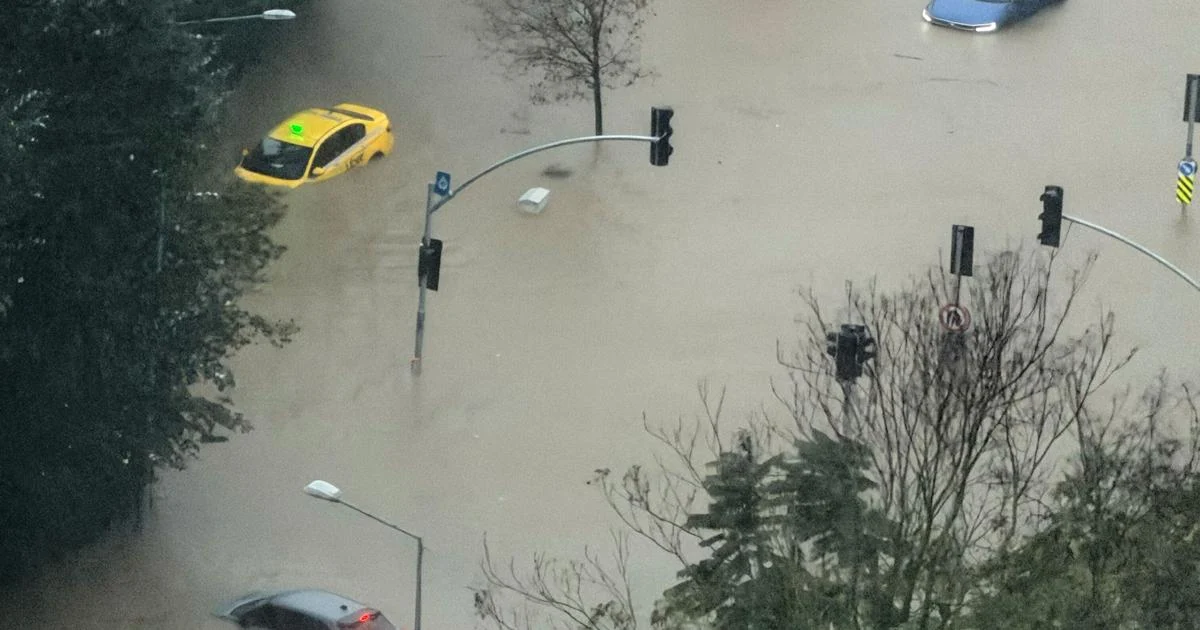
One of the regions that showcase the severity of climate change in action is southeastern Africa. Last week, more than 300 people were reported killed, homes were destroyed, roads cracked and a big collection of shipping containers fell into muddy waters as a wave of heavy rainfall and flooding hit an southeastern coast area of South Africa. The severity of the downpours was further evidence of the consequences of climate change, a Yahoo news quoted South African President Cyril Ramaphosa as saying while touring the area, hit as it was in one single day by an amount of rain which could have otherwise taken up to six months to fall. A provincial government statement reported by CNN described the heavy rainfall wave as the worst storm ever to strike the area. According to the same report, scientists from the World Weather Attribution (WWA) project – which analyses how much the climate crisis may have contributed to an extreme weather event – found that climate change made those events more likely. The southeastern Africa case came nearly three weeks after an ice shelf the size of New York City had collapsed in East Antarctica, an area long thought to be stable and not hit much by climate change, according to an AP report. The collapse of the shelf measuring some 1200 kilometre-wide as captured by satellite images, it added, marked the first time in human history that the frigid region had an ice shelf collapse which scientists attributed to long-time increased ocean warming. The direct deduction is that from Antarctica to southern Africa climate change is increasingly encroaching upon the very scene of life and diversity on our planet; hence the need for international action to limit global warming.


Discussion about this post