



The United States has quietly established a shipping corridor through the Strait of Hormuz to facilitate the movement of millions of barrels of oil each day, two US officials told Axios, in an apparent effort to ease energy disruptions caused by the war.
The operation, which has been running for several weeks, allows between 15 and 20 tankers a day to transit the strait through a southern channel along the coast of Oman, the officials said.
Around 10 million barrels of oil per day — roughly half the volume transported before the war — are being moved through the waterway and into global markets, they said.
The US-led effort is designed not only to escort oil-laden tankers out of the Gulf, but also to guide empty vessels into the waterway from the Arabian Sea. Those tankers collect crude from ports in the United Arab Emirates, Bahrain and Kuwait before returning through the strait.
“We have been controlling the southern lane of the Strait of Hormuz for two months now,” one US official with direct knowledge of the operation told Axios. “The Islamic Revolutionary Guard Corps can be a nuisance, but they don’t control the strait. We do.”
The operation has not previously been publicly detailed.
According to the officials, a task force based at the headquarters of the US Army’s 82nd Airborne Division at Fort Bragg, North Carolina, coordinates the effort with Gulf partners.
The task force prepares daily schedules for outbound tankers carrying oil and inbound empty vessels. Ships transit in organized lines during designated time windows, follow checkpoints and report their positions.
US Air Force fighter jets patrol overhead to detect and intercept possible Iranian cruise missiles and drones, the officials said.
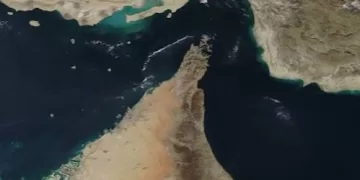
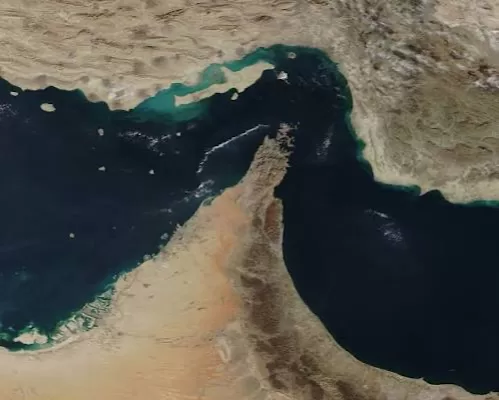
The Strait of Hormuz, a narrow waterway between Iran and Oman, is one of the world’s most important energy chokepoints. Although oil flows remain below pre-war levels, the operation has helped restore part of global supplies and ease pressure on crude prices, according to the officials.

