




Minister of Planning and Economic Development Ahmed Rostom announced on Thursday that Egypt’s unemployment rate declined to 5.8% in the second quarter of 2026, compared with around 6% in the first quarter, reflecting continued improvement in labour market performance.
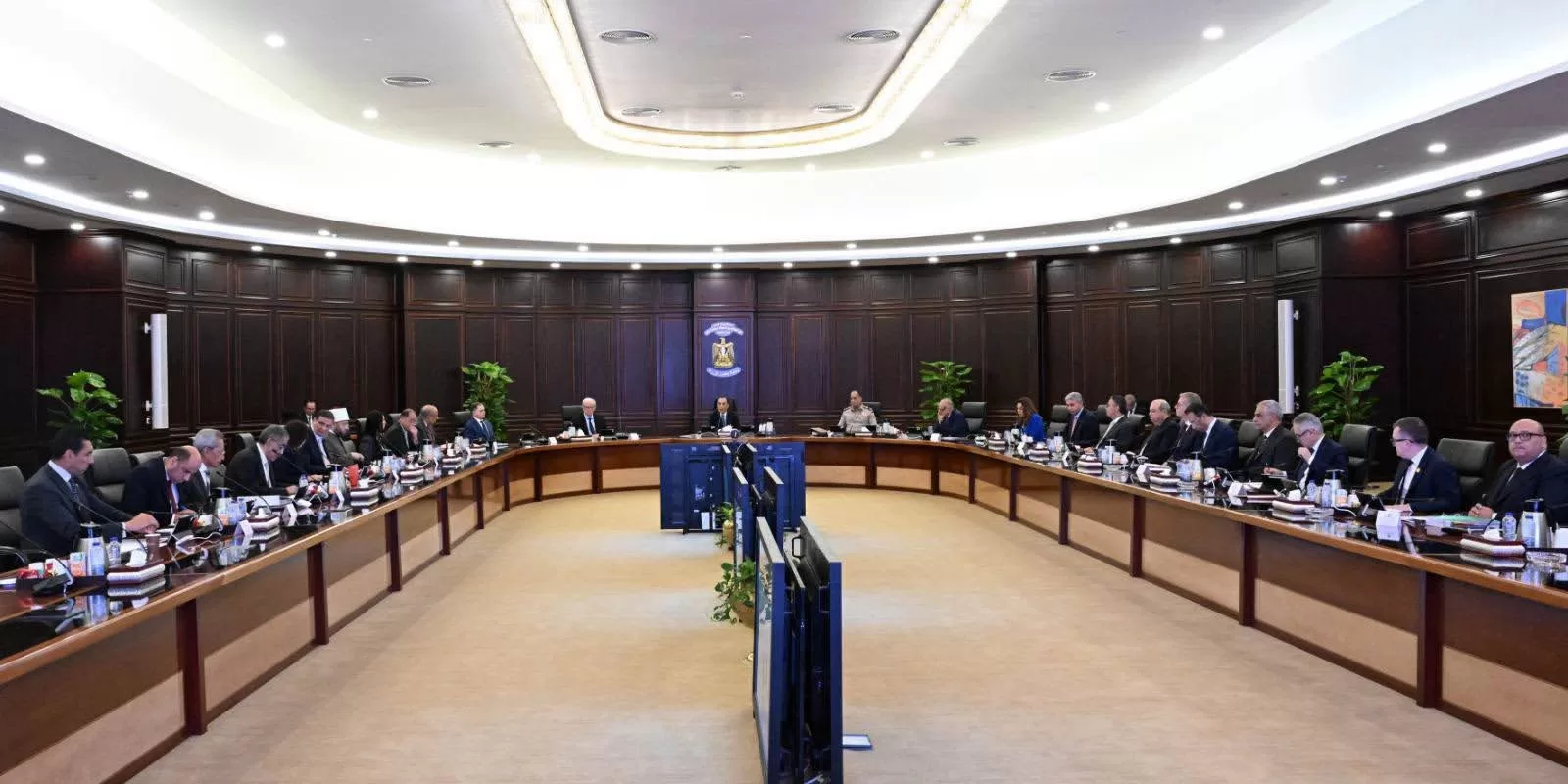
The minister made the remarks during the Cabinet meeting chaired by Prime Minister Moustafa Madbouli, where he reviewed the latest labour market indicators.
Rostom said the unemployment rate among men fell to 3.4% from 3.6%, while the rate among women edged up to 14.4% from 14.3%, stressing the need to continue implementing policies that create more employment opportunities, particularly for women.
He noted continued disparities between urban and rural areas, with unemployment rising to 8.8% in urban areas, while falling to 3.5% in rural areas from 4.2% in the previous quarter, reflecting improved employment indicators in rural communities alongside ongoing efforts to boost job creation in cities.
The labour force increased by 0.6% to approximately 35.64 million people during the second quarter, up from 35.41 million in the first quarter.
Meanwhile, the number of unemployed fell by 2.4% to around 2.08 million, compared with 2.13 million previously, indicating the economy’s growing ability to absorb new entrants into the labour market despite the continuing gap in economic participation between men and women.
The number of employed people rose by 0.8% to approximately 33.6 million, compared with 33.3 million in the previous quarter.
The total included around 26.9 million employed men and 6.67 million employed women, reflecting continued improvement in employment conditions while underlining the importance of increasing women’s participation in economic activity.
Reviewing the sectoral distribution of employment, the Minister said agriculture and fishing remained the largest employer, accounting for 6.25 million workers, or 18.6% of total employment. The wholesale and retail trade sector followed with 17.2%, ahead of manufacturing at 13.5%, construction at 11.8%, and transport and storage at 9.3%.
Rostom said the figures demonstrate sustained improvement in labour market conditions and highlight the diverse economic sectors supporting employment and economic growth across Egypt.

