




RIO DE JANEIRO — Scientists have long been warning that extreme weather would cause calamity in the future. But in South America — which in just the last month has had deadly landslides in Brazil, wildfire in Argentine wetlands and flooding in the Amazon so severe it ruined harvests — that future is already here.
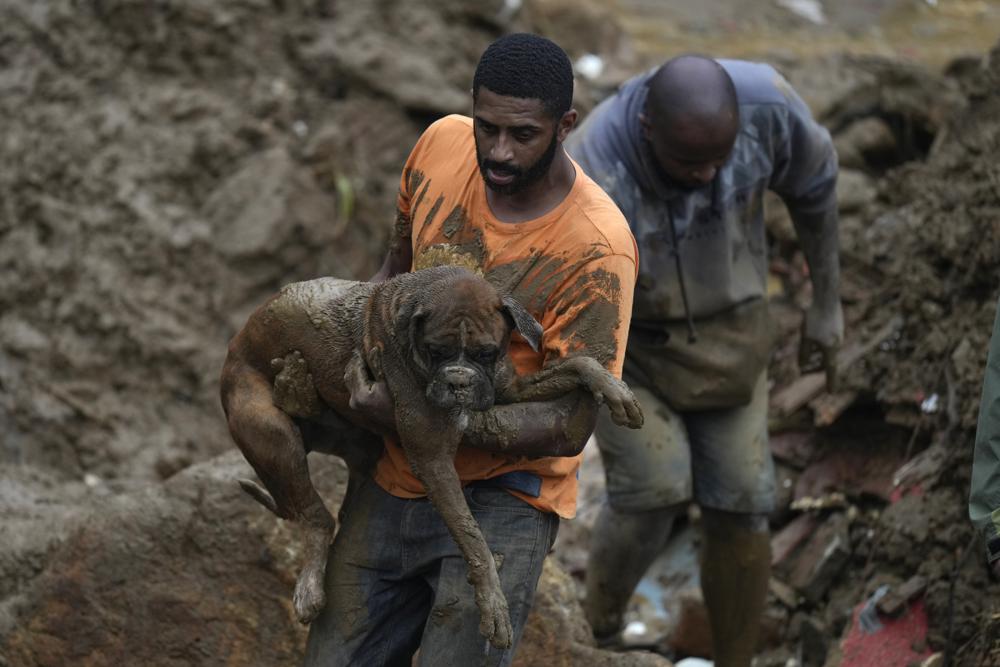
In just three hours on Feb. 15, the city of Petropolis, nestled in the forested mountains above Rio de Janeiro, received over 10 inches of rainfall – more than ever registered in a single day since authorities began keeping records in 1932, AP reported. The ensuing landslides swallowed the lives of more than 200 people, and left nearly 1,000 homeless.
A report published Monday by the Intergovernmental Panel on Climate Change (IPCC) corroborates what many on the ground are witnessing with their own eyes. Global warming is altering the intensity and frequency of extreme weather events, such as El Nino and La Nina, the natural heating and cooling of parts of the Pacific that alters weather patterns around the globe. These events have also become more difficult to predict, causing additional damage, the report said.
“Climate change is projected to convert existing risks in the region into severe key risks,” the report said.
Until 2020, there was plenty of water, swamps, stagnant lakes and lagoons in Argentina’s Ibera Wetlands, one of the largest such ecosystems in the world. But an historic drought of the Parana River dried much of it out; its waters are at their lowest level since 1944. Since January it has been the stage of raging fires.
And this week, 70 per cent of the remote city of Jordao in Brazil’s Amazon rainforest was submerged by the overflow of two rivers. It has shattered the lives of thousands of people in the region, including in 32 Indigenous communities.
Central and South America is the second most urbanised region in the world after North America with 81 per rent of its population residing within cities. In this context, forests are playing a vital role to stabilise local climates and to help the world meet the ambitious temperature goals set by the 2015 Paris Agreement, experts say.
The entire Amazon rainforest stores between 150 and 200 billion tonnes of carbon in the vegetation and soil, according to Carlos Nobre, a prominent Brazilian climate scientist who has studied the biome for several decades.
“It’s a huge reservoir,” Nobre told The Associated Press in a phone interview. “If you lose the forest, this carbon dioxide, a major greenhouse gas, goes into the atmosphere. It is very important to maintain the forest.”
But most governments across the region have failed to heed the IPCC’s warnings and stop the destruction. Many South American leaders have remained silent about illegal logging and mining activities in sensitive regions. Brazil’s President Jair Bolsonaro has gone further, outright encouraging it both with his words and by weakening environmental agencies and regulation.
Even in Colombia, where President Iván Duque has attempted to rein in illegal logging, a recent increase in forest fires led more than 150 international academics and activists last week to send a letter urging the government to take a more aggressive stance.


Discussion about this post