




Global oil demand is set to decline this year for the first time since the height of the Covid-19 pandemic in 2020, according to a report from the International Energy Agency.
The drop, which the agency expects to amount to about 1 million barrels per day in 2026, is due to higher oil prices and disruptions to physical supply that weighed heavily, but unevenly, on various parts of the world, the report said.
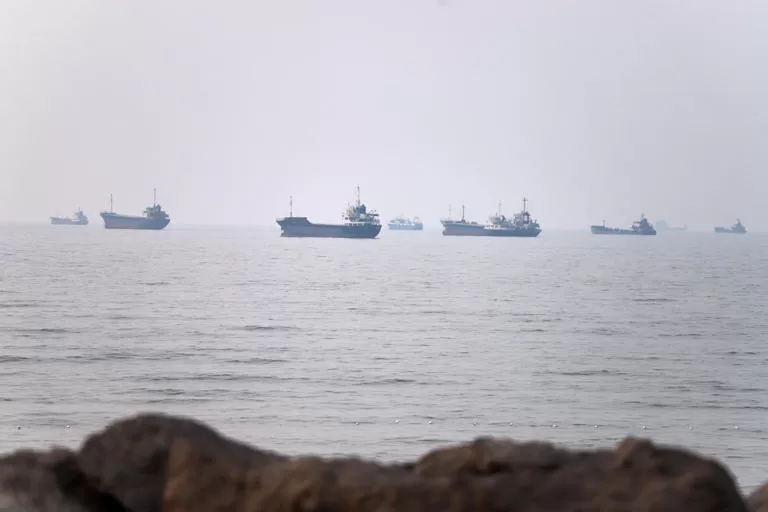
The supply disruptions were caused by the war between the US and Iran, which left ships loaded with crude oil stranded in the Persian Gulf for more than three months, unable to safely travel through the Strait of Hormuz, a major route for oil and gas shipments.
“The future of Hormuz is probably more uncertain today than it was at the beginning of the war,” said Jim Burkhard, vice president and head of crude oil research at S&P Global Energy.
Burkhard said Iran is still trying to control the strait, while the US has not been able to fully restore normal operations, making a return to prewar conditions unlikely.
Global oil demand averaged just 97.9 million barrels per day in May, down 5.3 million barrels per day from a year earlier. Much of the decline was in Asia, which relies heavily on oil from the Middle East.
China’s decrease of 1.5 million barrels per day, representing a 9% decline, was by far the largest globally, the report said.
But the main exception to the global slump in oil usage was in the US, where gasoline use increased in the second quarter of 2026, despite the fact that pump prices were about 50% above their prewar levels in May, the report said.
China decided to massively cut down on purchasing oil from the global market as the price rose during the spring, reducing its consumption by almost 6 million barrels per day, Burkhard said.
“What China said is, ‘You know what, prices are high, there’s a crisis. We have this huge inventory stock, we can sustain demand. We’re just going to cut by 50% the amount of crude oil we buy,’” Burkhard said.
One way China cut back its consumption was to temporarily stop filling up its strategic petroleum reserve, which it had been adding to at a rate of nearly 1 million barrels per day, said Daniel Sternoff, senior fellow at the Center on Global Energy Policy at Columbia University.
The crisis also accelerated China’s saving of road transportation fuels as its use of electric vehicles grew, he said.
“What we’re tracking so far, at least since the crisis began, is China is probably on track to see somewhere between 500,000 and 600,000 barrels per day worth of demand losses for gasoline and diesel. So that’s pretty significant,” Sternoff said.

