



President Vladimir Putin is rejecting calls to negotiate peace with Kyiv, three sources close to the Kremlin told Reuters, with Ukraine’s recent drone strikes on Russia’s oil refineries and ports strengthening his resolve to keep fighting for now.
Two of the sources, speaking on condition of anonymity, said that Putin was instead likely to escalate the conflict, now well into its fifth year. One of them, who meets regularly with the president, described a “high probability” of escalation in the coming months.
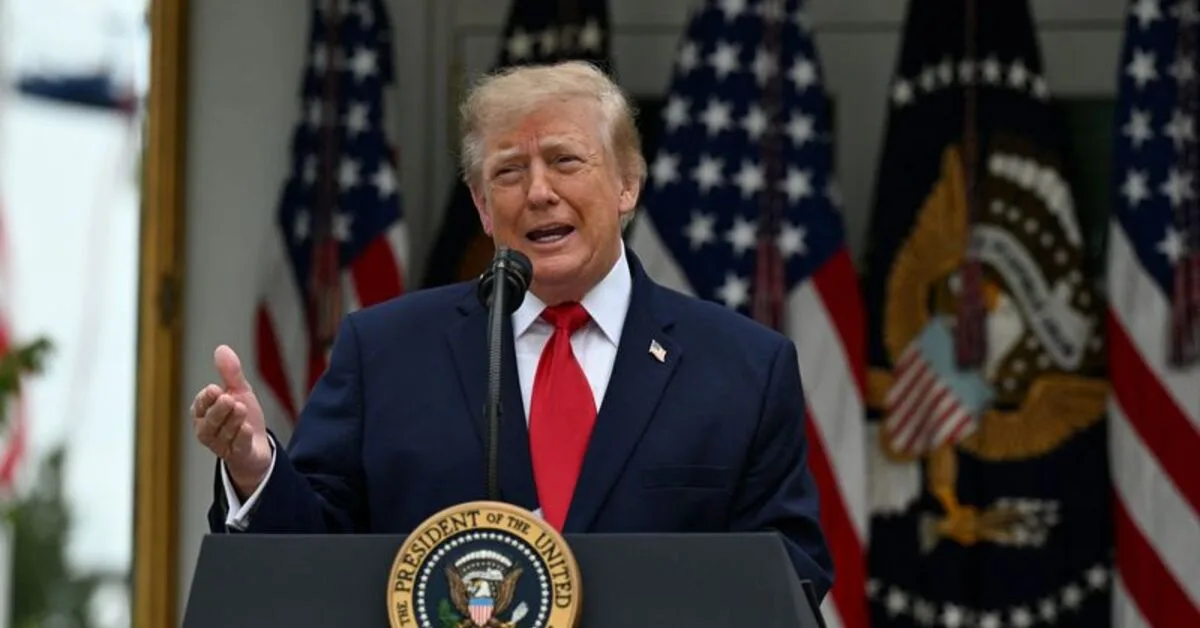
The comments come after US President Donald Trump on Monday said that Putin wanted the war to end and that a resolution was “closer than people realise.”
Trump held separate phone calls with Putin and his Ukrainian counterpart Volodymyr Zelenskiy last week.
He met Zelenskiy at the NATO summit on Wednesday where the Ukrainian president said they discussed “ideas to bring peace closer.”
The White House did not respond to requests for comment.
One of the people familiar with Putin’s thinking said he had “dug in his heels” to achieve the key objective of capturing the remainder of Ukraine’s eastern Donbas region, where Russian advances have slowed this year.
The same source said Putin recently rebuked a group of advisers suggesting a compromise based on a ceasefire along the current front lines. The second source said Putin believes Russia will soon capture the Donbas.
The Russian president publicly rebuffed a call by Zelenskiy in June for a meeting and a ceasefire.
“Russia is ready for a peaceful resolution but has enough capability to act independently and continue the special military operation,” Kremlin spokesman Dmitry Peskov said in response to a request for comment for this story.
In response to a request for comment to Zelenskiy’s office, a senior Ukrainian official said Kyiv’s intelligence reports in recent months reflected that Putin was preparing for further steps in the war rather than for peace, including new operations in Ukraine or a possible attack on another European country.
Some Western military analysts believe Russia would need a mandatory draft of fighting-age men to achieve the goal of taking the Donbas.
The draft is a politically unpopular move Putin has been reluctant to make since early in the war.
Russian military experts have increasingly discussed escalation in public, including the possibility of hitting European targets such as NATO bases in Baltic countries.
Such a step would risk drawing Russia into direct confrontation with the US-led alliance, testing the NATO commitment that an attack on one member nation constitutes an attack on all.
Russia could seek to sow tensions within NATO with isolated attacks, comparable to a recent Russian drone strike on Romania, according to Jack Watling of the Royal United Services Institute (RUSI), a defence and security think tank in London.
“The Russians would not be aiming for a war with NATO. But it could be used to divide NATO over how to respond,” Watling said.
He added that heightened tensions with NATO could help give Putin a political justification within Russia for military conscription.

