




Egypt seeks to shift tax system towards actively supporting investment, economic growth
The parliament has just approved a new set of tax changes designed to lower costs for businesses, improve their cash flow, and attract more investment.
Finance Minister Ahmed Kouchouk said the measures would take effect as soon as they are officially published.
In recent comments, the minister explained that the goal is to create a more stable, clear, and welcoming environment for companies.
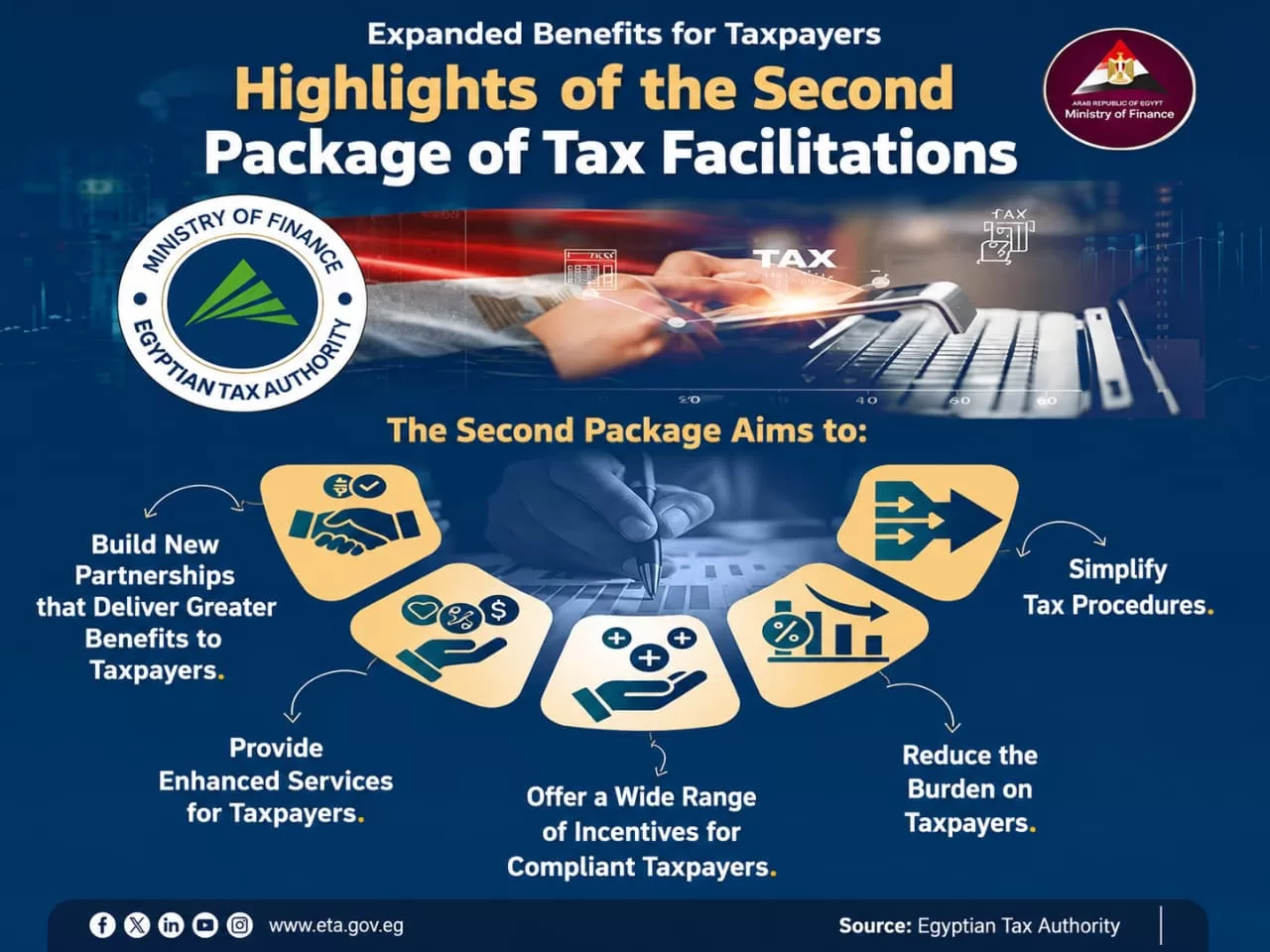
This includes making tax rules simpler, speeding up digital processes, and building better trust between the tax authority and businesses.
The package offers tax breaks aimed at key areas like investment, manufacturing, healthcare, logistics, and the stock market.
Overall, the government is reducing the tax load on both companies and individual taxpayers.
Transit goods and related services will now be exempt from value-added tax (VAT).
This is meant to strengthen Egypt’s position as a regional logistics centre.
Non-banking financial services are also exempt from VAT, no matter which regulator oversees them, and the same applies to financial services from the National Postal Authority.
The reforms extend the current VAT exemption on machinery, equipment for factories, and medical devices from two years to four years.
This should help bring down investment costs for manufacturers. In addition, key supplies for dialysis equipment, kidney filters, and implantable or wearable medical devices will be tax-free to support healthcare and local medical production.
To boost the stock market, companies that list on the Egyptian Exchange (EGX) will get a three-year incentive.
Investors who hold unlisted securities for at least three years will also receive a benefit tied to the Central Bank’s lending rate, which gets added to the original cost when they sell.
The package fixes the issue of double taxation on dividends between Egyptian companies. The tax will now be collected only once, at either the parent or subsidiary level.
On the stock market side, the government is replacing the capital gains tax with a simpler stamp duty to encourage more trading and investment.
Over the past few years, Egypt has shifted its tax system away from just collecting revenue towards actively supporting investment and economic growth.
Tax rules are now seen as a way to improve the business climate, make the economy more competitive, and help the private sector expand.
This second package builds on the first one from 2025, with more targeted changes to corporate taxes, VAT, real estate deals, and capital markets.
Tax expert Ashraf Abdel Ghani called this a major turning point in how taxes are handled in Egypt.
Instead of focusing on penalties, the approach now emphasizes incentives and partnership with taxpayers, he said.
He noted that offering benefits to those who abide by the rules, such as simpler audits and faster processing, should increase voluntary compliance, attract investment, and support broader economic growth.

