







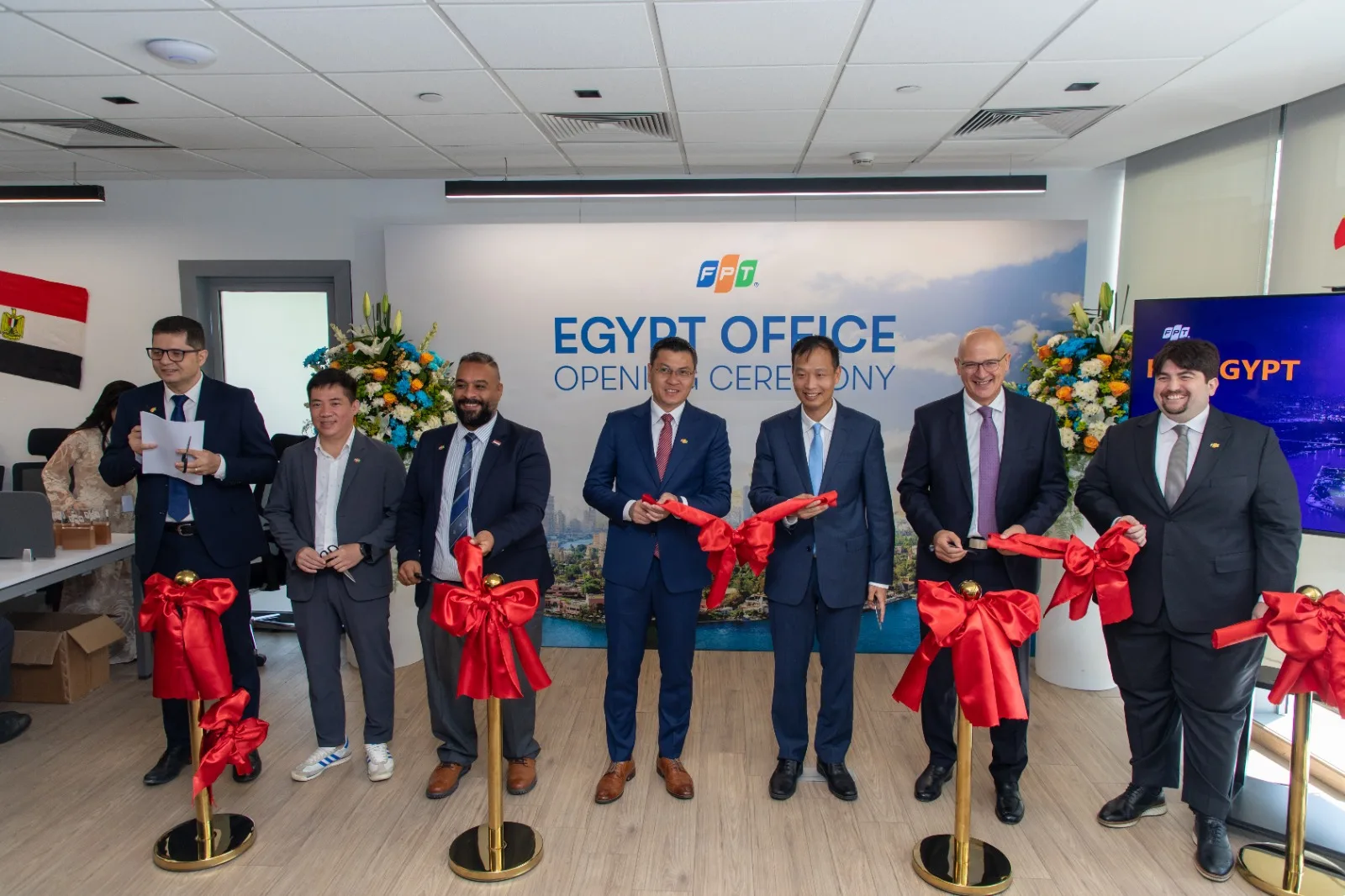



The Ministry of Planning and Economic Development announced on Thursday the launch of a joint initiative by TikTok Business and RiseUp to support startups through digital growth.
The move highlights the government’s commitment to entrepreneurship as a key driver of economic expansion and job creation.
During the opening ceremony, Minister of Planning and Economic Development Ahmed Rustum stressed that entrepreneurship has become a principal engine of growth, productivity, and competitiveness.
Startups are now central to Egypt’s economic future thanks to their ability to innovate, expand, and reach local, regional, and international markets, he added.
Rustum outlined decisive government measures, including the creation of an entrepreneurship unit at the Cabinet, establishing a dedicated financing fund, and the activation of Egypt’s Entrepreneurship and Innovation Center through a new “Business Clinic” to identify and address challenges.
A National Entrepreneurship Forum will also be launched to provide a permanent platform for dialogue between government and investors.
Global venture capital investment has become more selective, focusing on sectors such as artificial intelligence, fintech, digital infrastructure, and cybersecurity, he explained.
Egypt’s opportunity, he said, lies in building stronger, more sustainable companies capable of attracting long-term capital rather than simply restoring past funding levels.
With a large youth base, a wide market, and promising sectors in digital commerce, healthcare, education, and creative industries, Egypt is well-positioned to benefit from the global recovery in financing conditions.
Rustum lauded the partnership between TikTok Business and RiseUp as a model of collaboration between international and regional platforms, reflecting Egypt’s vision to foster innovation and enhance competitiveness.
He concluded by assuring entrepreneurs that the government recognizes the challenges of financing, licensing, and taxation, urging them to act as partners in shaping practical solutions that can be translated into policies supporting Egypt’s economic trajectory.

